Advertisement
Hussein Khalid: Protest victims are heroes, not criminals
Monday 15th June, 2026 11:00 PM|

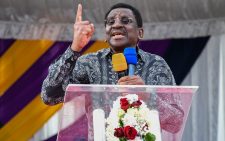
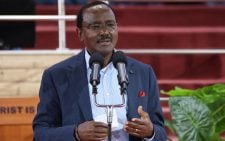
Human rights advocate Hussein Khalid has called for official recognition of Kenyans who lost their lives during the 2024 protests, describing them as heroes who died defending the Constitution and the rights of citizens.
Speaking during an interview on a local TV station on Monday, June 15, 2026, Khalid rejected attempts to label the victims as criminals. He questioned how compensation can be offered while some leaders previously referred to the protesters as terrorists.
“Let us recognise that these individuals who lost their lives are heroes in our society,” Khalid said.
“How are you compensating people, and you still remember that you called them terrorists? We must get recognition from the highest office that these individuals are not in any way criminals, but they were heroes who died defending the Constitution and the rights in this country.”
You Might Also Like
His remarks came hours after the government announced a Ksh2 billion allocation for compensation and reparations to victims of protests and unrest.
Government unveils reparations programme
President William Ruto announced the compensation package while receiving the Report on the Framework for Reparations for Victims of Human Rights Violations at State House.
The programme is intended to support families of those who lost their lives, individuals who sustained injuries, businesses affected during the unrest and law enforcement officers injured while on duty.
“This is the beginning of the journey, not the end,” Ruto said. The President noted that the compensation package is not intended to place a value on human life or reward unlawful actions.
He stated that the initiative seeks to acknowledge harm suffered by victims while promoting reconciliation and national healing.
Khalid, however, questioned whether the proposed compensation would adequately address the losses suffered by affected families. “Is that proposed monetary damage representing the true financial justice for these aggrieved families?” he asked.
Calls for accountability and recognition
Khalid outlined several measures he believes are necessary to achieve justice for victims and their families.
He called for the identification, prosecution and punishment of officers responsible for killings during the protests. He also urged the government to formally recognise those who died as heroes rather than criminals.

“We must get from the highest office in this land recognition that these individuals are not in any way criminals,” he said.
Khalid further proposed the establishment of a national monument in honour of those who lost their lives and called for June 25 to be declared a public holiday.
“Never in the history of this country have we seen such young lives coming out to defend their nation, to call for justice, as we saw in 2024,” Khalid noted.
Meanwhile, Kenya National Commission on Human Rights Chairperson Claris Ogangah said reparations would only be available to victims of gross human rights violations, including extrajudicial killings, enforced disappearances, torture, excessive force and sexual violence.
She stated that ordinary criminal acts would continue to be addressed through the justice system as the reparations framework is implemented.
Author
Latest News

Advertisement
More on News