Advertisement
Ruto: Compensation is not a reward for violence but recognition that victims matter
Monday 15th June, 2026 02:42 PM|

President William Ruto has defended the government’s decision to compensate victims affected during periods of unrest, insisting that the payments should not be misunderstood as rewarding violence, but rather as recognition that citizens suffered harm that deserves acknowledgement from the State.
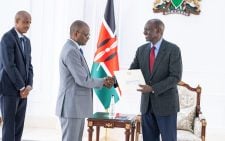
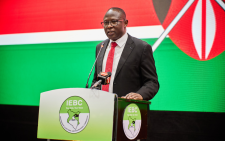
Speaking at State House, Nairobi on Monday, June,15,2026, during the report on the Framework for Reparations for Victims of Human Rights Violations, Ruto said no amount of money can ever truly compensate families who have lost loved ones during violent incidents, stressing that the compensation programme is not meant to place a monetary value on human life.
“These payments are not the price of life, pain or loss and neither are they a reward for violence, looting or unlawful conduct,” he said.
The President maintained that no financial compensation can ever replace a son or daughter lost, nor can it erase the trauma families continue to endure after suffering tragic losses during protests and unrest witnessed in recent years.
State acknowledging harm suffered by citizens
You Might Also Like

Ruto said the compensation programme reflects the government’s acceptance that harm occurred and that victims deserve recognition as part of national healing.
“This is the state’s acknowledgement that harm occurred, victims matter and that a nation heals by tending to its wounds rather than pretending they do not exist,” he said.
The President however clarified that the compensation process should not be interpreted as excusing unlawful behaviour or encouraging future acts of violence.
According to him, the payments are strictly meant as redress for harm suffered by citizens and should never be confused with granting immunity to those involved in criminal acts.
Compensation does not erase accountability
At the same time, Ruto maintained that accountability remains central, insisting that justice processes must continue wherever wrongdoing occurred.
“Neither should it be understood as a licence for disorder. Let no one confuse compensation and impunity,” he said.
He further emphasized that compensation does not replace legal responsibility, saying the law applies equally to citizens, police officers and protesters whenever wrongdoing is established.
Meanwhile, Kenya National Commission on Human Rights Chairperson Claris Ogangah clarified that not everyone affected during demonstrations between 2017 and 2025 will qualify for compensation under the government’s Ksh2 billion reparations programme.
Speaking during the same event, Ogangah said only victims of gross human rights violations linked to state actions including extrajudicial killings, enforced disappearances, torture, serious injuries caused by excessive force, and sexual violence during protests will qualify.
She noted that cases involving looting, vandalism, assault and other ordinary criminal offences committed by civilians or individuals acting outside official duty will instead be handled through the country’s criminal justice system.
Author
Latest News






Advertisement
More on News