How Sakaja’s 24-hour emergency centre will shield Nairobi from fires, building collapses
By Aloys Michael, February 6, 2026Nairobi is set to establish a 24-hour Emergency Operations Centre as part of a major overhaul of how the city prepares for and responds to disasters.
The reforms, approved by Governor Johnson Sakaja’s Cabinet, are designed to fix long-standing gaps in coordination, speed, and accountability during emergencies.
Key to the plan is a round-the-clock command hub that will receive emergency alerts, coordinate rescue services, and act as the single point of decision-making during crises.
The move follows Cabinet approval of the Emergency Response Bill and a new Disaster Management Policy, both of which are now set to be fast-tracked to the County Assembly.
The reforms align Nairobi with the National Disaster Risk Management Strategy and introduce a new institutional framework.
“Nairobi cannot continue reacting to disasters after lives and livelihoods have already been lost. This law is about preparation, coordination and prevention, saying never again to avoidable chaos,” Sakaja stated.
“When an incident happens, every second counts. We are creating a system where fire, medical, rescue and security teams operate as one unit, guided by a clear chain of command.”
Under the proposed law, the county will establish the Nairobi Disaster and Emergency Management Authority (NADEMA), a fully-fledged body responsible for overseeing preparedness, response, mitigation, and recovery efforts across the city.
Within 60 days of the law coming into force, the county will be required to publish a comprehensive disaster preparedness plan. This will include an inventory of available resources such as fire engines, ambulances, rescue boats, and designated emergency shelters, addressing a frequent challenge during past emergencies where responders lacked clear information on available assets.
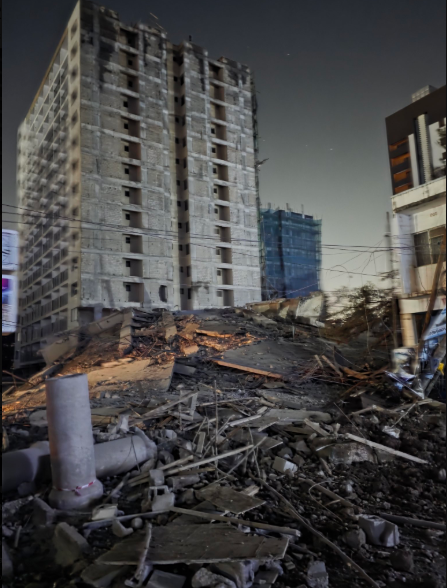
The policy also mandates citywide risk assessments. Flood-prone zones will be mapped, buildings subjected to safety audits, and early-warning systems rolled out using technology and community-based alerts. Public facilities will be required to conduct regular emergency drills to improve readiness among staff and residents.
Emergency fund
To support rapid response, the Bill proposes the creation of a County Disaster Management Fund. The fund will draw from county budget allocations, private sector contributions, and donations, allowing for quicker mobilisation of resources without waiting for lengthy approval processes during emergencies.
In the event of a formally declared disaster, the governor will be granted limited emergency powers. These include issuing evacuation orders and authorising the rapid procurement of essential goods and services.

However, the powers will be subject to constitutional safeguards and oversight by the County Assembly to prevent abuse.
The bill comes amid concerns about the devolved units’ lax response to emergencies like fire.
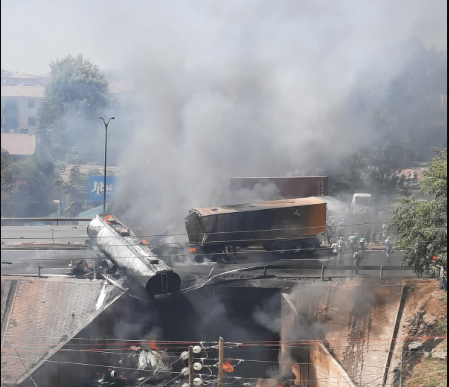
Earlier incidents include a fuel tanker fire near the Southern Bypass on January 24, 2026, that claimed at least one life, a major blaze in Karanja Village on January 17, 2026, that left hundreds homeless, and two separate fires along Luthuli Avenue on January 6 and 10 that damaged dozens of electronics stalls.