Advertisement
Govt slashes university funding by over Ksh5B as student numbers surge
Thursday 30th April, 2026 08:10 AM|
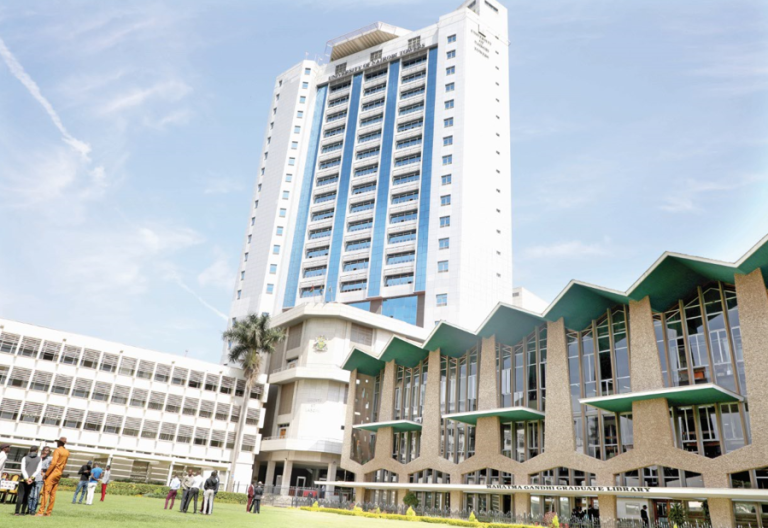
The government has cut funding to public universities from Ksh16.9 billion in 2024/25 to Ksh11.6 billion in 2025/26, and this sharp reduction comes even as the number of government-funded students jumps by 81.6 per cent to 355,140.
New figures in the KNBS Economic Survey 2026 lay bare the scale of the squeeze. The Universities Fund data shows total capitation to public universities fell by Ksh5.3 billion. Major institutions took the biggest hits.
“The number of students funded from public universities is expected to increase by 81.6 per cent to 355,140 in 2025/26 academic year,” the report reads.
The University of Nairobi saw its allocation drop from Ksh2.44 billion in 2023/24 to Ksh947.8 million in 2024/25 and then to just Ksh534.79 million this year. Jomo Kenyatta University of Agriculture and Technology (JKUAT) went from Ksh2.53 billion to Ksh474.83 million. Egerton University’s funding collapsed from Ksh1.73 billion to Ksh365.24 million.
You Might Also Like

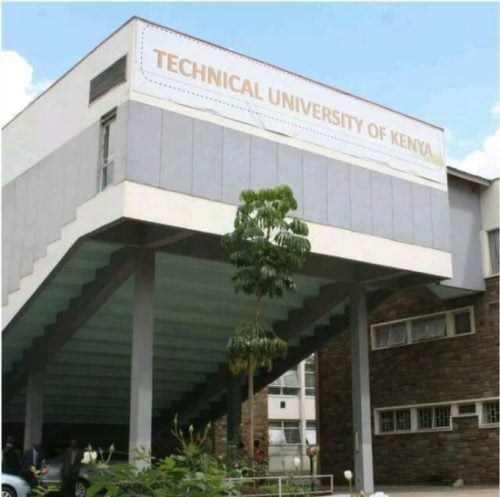
Other big universities suffered similar cuts. Kenyatta University, Moi University and Maseno University all saw allocations fall from above Ksh1 billion to around Ksh600 million. Technical universities fared even worse. The Technical University of Mombasa’s funding plunged from Ksh1.06 billion to Ksh90.9 million. The Technical University of Kenya dropped from Ksh1.16 billion to Ksh172.55 million.
More students, less funding
Despite the cuts, universities must accommodate far more government-sponsored students. The total rose from 195,614 in 2024/25 to 355,140 in 2025/26. At the University of Nairobi, the number of funded students fell sharply at first but then climbed back to 19,114. Some institutions, such as Masinde Muliro University of Science and Technology, recorded more sponsored students even with less money.
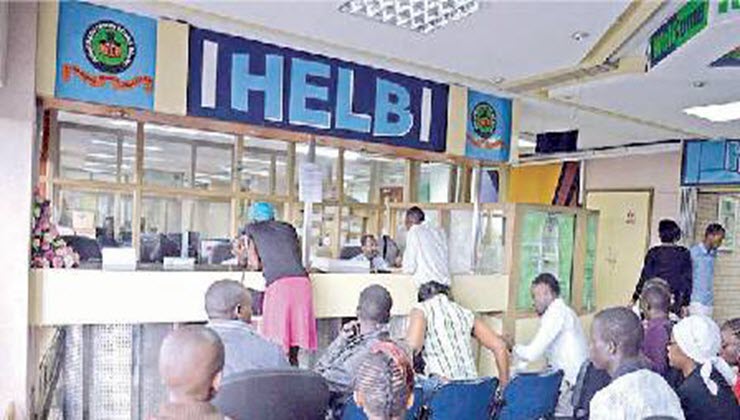
The government introduced the new funding model to shift more responsibility to students through loans from the Higher Education Loans Board (HELB). Only students placed in public universities now qualify for direct government scholarships. Those in private universities rely mainly on loans.
University leaders face tough choices. They must stretch smaller grants across more students while maintaining quality and paying staff. Many institutions already struggle with debts and delayed payments.
The timing adds pressure. Thousands of 2025 KCSE candidates are now choosing courses ahead of the September intake. With fewer direct government funds available, more students will depend on HELB loans to cover fees.
Author
Kenneth Mwenda
Kenneth Mwenda is a business, sports, and politics digital writer with over seven years of experience in journalism, covering breaking news, feature stories, and in-depth analysis across a range of beats.
For inquiries, he can be reached at [email protected]
View all posts by Kenneth MwendaLatest News

Advertisement
More on News