Advertisement
Govt pushes landmark labour reforms to end workplace violence
Saturday 20th December, 2025 01:33 PM|

In a decisive move aimed at transforming workers’ rights, the government convened a high-level public forum this week to discuss the ratification of two International Labour Organization (ILO) conventions: Convention No. 190 on Violence and Harassment in the World of Work and Convention No. 189 on Decent Work for Domestic Workers.
Officials described the forum as a “defining moment for labour governance,” drawing representatives from workers’ and employers’ organisations, domestic workers, civil society, and development partners.
Permanent Secretary in the Ministry of Labour, Mwangolo Mwadime, emphasised the stakes for the country.
“Our commitment to international labour standards is not just about compliance; it is about safeguarding dignity, promoting fairness, and ensuring that every worker, formal or informal, can work without fear,” he said, underlining the government’s intent to strengthen protections across all sectors.
You Might Also Like



Labour Commissioner Hellen Apiyo elaborated on the significance of the conventions.
“Your presence here today demonstrates our shared commitment to promoting dignity, safety, and fairness for all workers, regardless of where or how they work,” she said. She described the forum as “a vital space for open dialogue, public participation, and collective reflection on how these conventions can strengthen our labour governance framework and improve the lives of workers across the country.”
Convention No. 190 addresses the persistent issue of violence and harassment in workplaces, which affects both formal and informal sectors. Apiyo warned, “Violence and harassment in the world of work remain a serious concern, affecting workers in both formal and informal settings.
Such acts violate fundamental human rights, undermine decent work, and have far-reaching social and economic consequences.” She noted that the convention outlines preventive, protective, and remedial measures anchored in social dialogue, emphasising the need for a systematic approach.
Convention No. 189 targets protections for domestic workers, a group historically exposed to exploitation in isolated environments. “Domestic workers—many of whom are women and young persons—often work in unregulated settings, making them particularly vulnerable to abuse, exploitation, violence, and harassment,” Apiyo said.
“Ratifying this convention would be a significant step towards ensuring decent work, fair treatment, and social protection for domestic workers.”
Public consultation
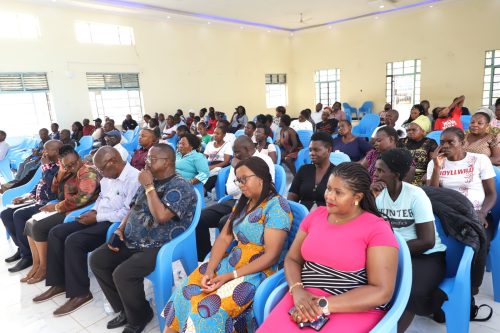
Mwadime stressed that public consultation is central to effective labour policy.
“This forum is critical for assessing national readiness, identifying gaps, and building consensus on the way forward,” he said.
“The views and recommendations arising from these discussions will play a critical role in guiding government decision-making and shaping legislative, policy, and institutional measures required for effective implementation.”
Experts say ratification goes beyond symbolism. Aligning domestic laws with ILO standards will require creating monitoring and reporting mechanisms, setting up accessible complaint procedures, and addressing systemic challenges such as gender-based violence and exploitation of vulnerable workers.
Apiyo emphasised that ratification is only the beginning.
“I encourage all participants to engage openly and constructively, with a focus not only on ratification but also on practical and sustainable implementation,” she said, highlighting the need for follow-through to ensure the conventions’ protections are realised in practice.
Land reforms

Both Mwadime and Apiyo argued that the reforms would signal a firm commitment to workplaces—and homes—free from violence, harassment, and exploitation. The forum is expected to guide subsequent policy, legislative reforms, and institutional measures aimed at improving working conditions nationwide.
Industrial analyst Ken Oyugi described the event as a milestone in aligning domestic labour governance with global standards.
“This is a critical step to ensure no worker is left behind and to reaffirm the country’s commitment to dignity, safety, and fairness in all workplaces,” he said, pointing to the broader social and economic benefits of robust labour protections.
As discussions continue, stakeholders will be closely watching the transition from dialogue to action, ensuring that international commitments translate into tangible improvements for all workers, from formal employees to domestic staff operating in private homes. Government Pushes Landmark Labour Reforms to End Workplace Violence.
Author
Latest News








Advertisement
More on News