Advertisement
Embu Catholic bishop backs cybercrime law to tame online misconduct
Saturday 25th October, 2025 03:24 PM|
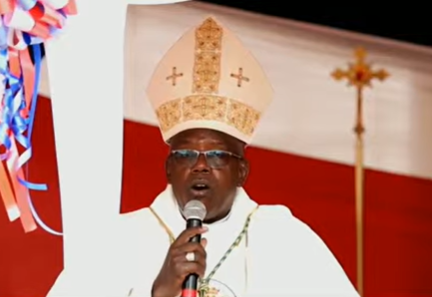
Embu Catholic Bishop Peter Kimani has joined leaders supporting Kenya’s new cybercrime law, saying it is necessary to restore discipline and responsibility on social media.
Speaking during a service on Saturday, October 25, Bishop Kimani said the country has witnessed worrying behaviour online that must be controlled.
“The social media trends that we are seeing, until we have to be controlled through the social media. The Cybercrime Act lazima ikuwe controlled. We see all manner of evils that happen,” he said.
Watch: Embu Catholic Church Backs Cybercrime Act, Citing Moral Responsibility
You Might Also Like


The bishop’s remarks come days after President William Ruto assented to the Computer and Cybercrimes (Amendment) Act, 2024. The new law gives authorities power to act against cyberbullying, online sexual exploitation, and digital fraud. It also allows investigators to seek court orders to remove harmful or false content before it spreads.
Supporters of the law, including Nandi Senator Samson Cherargei, have defended it as a progressive measure to protect Kenyans from rising digital threats. Cherargei said the law addresses key digital issues, including cyberbullying, online sexual exploitation, extremist content, and digital theft.
“It protects victims of cyberbullying, preventing depression and suicide. It bans pornographic sites to protect children and minors and blocks terrorist and extremist websites to ensure national security,” he said.

Dagoretti South MP John Kiarie also backed the law, saying it addresses increasing cases of phishing and online fraud.
Concerns over free expression
However, not everyone agrees. Kirinyaga Woman Representative Njeri Maina warned that the new powers could be abused to silence dissent. She said the National Computer and Cybercrimes Coordination Committee could switch off platforms like TikTok or X without court approval.
“This affects freedom of expression, belief, and opinion,” she said.
Government Spokesperson Isaac Mwaura has since dismissed those fears, saying the law respects constitutional freedoms. He clarified that any decision to block websites requires proof of unlawful activity and must follow judicial review under Articles 47 and 50 of the Constitution.
Bishop Kimani’s call adds a moral voice to the ongoing debate. He urged Kenyans to use digital spaces responsibly and avoid content that spreads hate or immorality.
Author
Kenneth Mwenda
Kenneth Mwenda is a business, sports, and politics digital writer with over seven years of experience in journalism, covering breaking news, feature stories, and in-depth analysis across a range of beats.
For inquiries, he can be reached at [email protected]
View all posts by Kenneth MwendaLatest News








Advertisement
More on News