Advertisement
Duale: Kenya Air Force Commander to head joint US-Kenya Laikipia Ebola isolation centre
Thursday 04th June, 2026 07:31 AM|
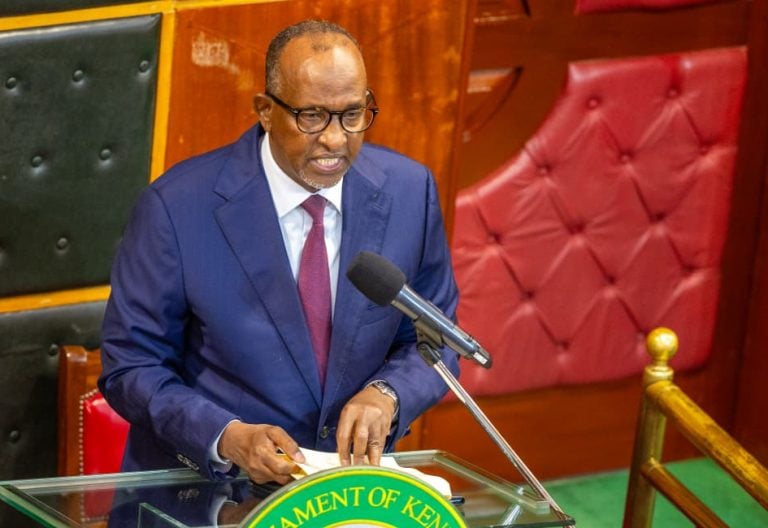
Health Cabinet Secretary Aden Duale has said the proposed Ebola isolation and treatment centre in Laikipia County will be headed by the Kenya Air Force Commander under a joint Kenya-United States operational framework.
Speaking during an interview on a local TV station on Wednesday, June 3, 2026, Duale said the facility forms part of a broader national preparedness strategy aimed at strengthening Kenya’s ability to respond to highly infectious diseases, including Ebola.
According to the CS, the Laikipia facility is among 23 isolation and treatment centres being established across the country under Kenya’s national preparedness and response framework. He noted that the centres are being developed through cooperation between the Kenyan and US governments.
Duale said the Laikipia centre will operate under a structured command system involving the Kenya Defence Forces (KDF) and the Ministry of Health, with the Kenya Air Force Commander taking overall leadership of operations at the facility.

You Might Also Like
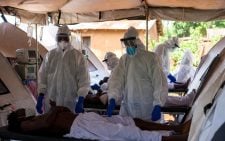

“The facilities will be jointly operated under a coordinated command involving the KDF Air Force Commander, Base commanders and military medical teams working together with the Ministry of Health,” he said.
He explained that military medical personnel will work alongside civilian health experts to ensure strict disease containment measures, rapid response capability and efficient management of any potential outbreak.
Duale said the arrangement demonstrates Kenya’s commitment to enhancing its preparedness for public health emergencies while positioning the country as a regional centre for managing high-risk infectious diseases.
The CS also pointed to regional risks, noting that many Kenyans live and work in Ebola-affected countries such as the Democratic Republic of Congo (DRC) and Uganda, adding that about 450 KDF personnel are currently serving in the DRC under the United Nations MONUSCO peacekeeping mission, creating a need for adequate quarantine and isolation facilities upon their return.

“Any of these Kenyans could be exposed and could require an isolation and quarantine facility upon return to Kenya,” Duale said.
He noted that the government has already designated several isolation and treatment facilities nationwide, including units at national referral hospitals, county health facilities, temporary holding centres at points of entry and other specialised treatment sites.
Duale said all facilities are being assessed for quality, safety and operational readiness to ensure they can be activated quickly if a suspected or confirmed Ebola case is reported.
“All such facilities are meant for the protection of the people of Kenya and all persons within Kenyan borders and are coordinated under the authority of the Government of Kenya,” he said.
However, the CS noted that legal issues surrounding the international health agreement and containment arrangements are currently before the courts, limiting the extent of his comments on the matter.
“In keeping with the doctrine of sub judice and the Standing Orders of this House, I will not discuss the merits of any active litigation,” he said.
The government maintains that the multi-layered preparedness system is intended to strengthen early detection, improve containment capacity and ensure Kenya remains ready to respond to any emerging infectious disease threat.
Author
Latest News








Advertisement
More on News