Advertisement
Civil groups want State to act on gaps in MES project
Wednesday 19th April, 2023 06:05 AM|
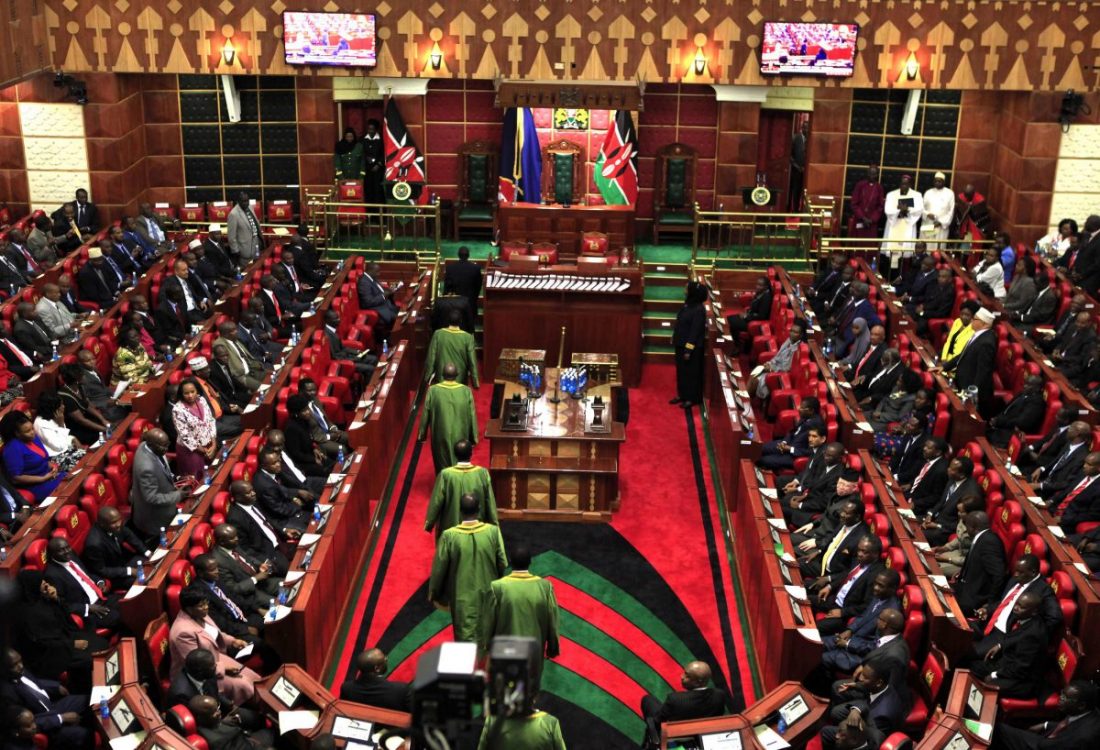
Civil society groups have opposed plans to extend the Managed Equipment Scheme (MES).
Several organisations congregated yesterday in Nairobi and poked holes on the project that was officially inaugurated in February 2015, projecting that the project risks falling into a similar pit where billions of shillings of taxpayers’ money was lost.
The Institute of Economic Affairs, Transparency International (TI) and Kenya Legal & Ethical Issues Network on HIV and Aids (KELIN) noted that if the gaps and challenges that counties experienced have not been addressed, there will be no need to extend the project.
“The MES Project has been shrouded with transparency questions and functionality gaps,” the organisations said during a public forum on the leasing of the Medical Equipment Project in Kenya.
The forum was hosted by IEA Kenya, but interestingly the Ministry of Health and Council of Governors, two institutions key in this project, snubbed the meeting.
John Mutua, IEA Kenya Programme Coordinator, was more direct that counties signed deals with the National government to allow for the dumping of equipment that some did not require.
He said that even other counties with glaring infrastructure challenges signed the contracts, ending up spending in a white elephant project. “Lack of requisite personnel and insufficient power and water are some of the reasons the machines have been lying idle in counties,” he said.
Oversight bodies
The organisations are asking whether extension of the project is justified when evidence from various oversight bodies found out that in the last seven years, it has been shrouded in secrecy as it bred corruption of unimaginable scale.
The project was on one hand expected to enhance geographical access to specialised health care services and on the other hand make it affordable.
Seven years
However, they observe that seven years down the line while the health sector reports 100 percent successful delivery of the MES equipment, a breakdown based on publicly available information shows that this is not the case.
“For example, delivery of Lot 1 by 2020/21 was 108 theatre equipment against 219,” Mutua highlighted, noting that the process of tracking the progress has unduly been complicated because the targets have changed along the way without explicit clarity.
According to Titius Gitonga from TI, this shows the question and justification for its extension is worsened by the fact that recurring audit issues, transparency questions, functionality gaps, among others have not been redressed.
“In as much as the Health Sector reports paint a rosy picture of the MES project performance, findings from both the Auditor General and Senate Ad Hoc Committee on the MES reveal glaring gaps,” he said.
Timothy Wafula from KELIN called for public participation and scrutiny of the project in order to avoid similar pitfalls that saw it undermined previously.
“Calls for its extension without benefits of a comprehensive audit implies that expected outcomes will be muted,” he said.
On his part, Kwame Owino from IEA, lessons learnt from the MES project are important for similar projects in future.
Author
George.Kebaso
View all posts by George.KebasoLatest News





Advertisement
More on News