Advertisement
African researchers push for space funding and influence in global science
Friday 15th May, 2026 01:55 PM|
For many African researchers, the problem is not a lack of ideas. Across the continent, scientists and scholars are developing research grounded in the realities of overcrowded cities, weak healthcare systems, food insecurity and youth unemployment.
But despite understanding the problems facing their communities, many struggle to secure the funding, networks and institutional support needed to turn their research into meaningful change.
That challenge is increasingly shaping conversations within Africa’s scientific community as institutions seek to build stronger homegrown research ecosystems capable of influencing policy and driving development.
Speaking during an interview at the African Population and Health Research Centre (APHRC) in Nairobi, researcher Lydia Namatende said African researchers often face major barriers long before their work can influence society.
“I think the key challenge is funding. A lot of times, African researchers have these very good ideas that are born from the issues within their own societies because they know their own communities,” Namatende said.
“But how to get into the field, how to do that research and how to get that research to impact their societies involves funding.”
Her remarks reflect a wider concern among African academics who say the continent’s research agenda is still heavily shaped by foreign donors and institutions that determine which projects receive financial support.
Analysts say this dependency has contributed to gaps between academic research and the everyday realities facing African communities.
Beyond financing, Namatende said many researchers struggle to access networks that would help transform research findings into public policy and practical programmes.
“In order to get your research out there, you want it to impact, but sometimes you don’t have those networks that lead you to collaborate with policy actors who are going to get this work to inform policy and programming,” she said.
Lack of collaboration
The challenge of limited collaboration between researchers and policymakers has long weakened evidence-based decision-making in many African countries, where
Governments often rely on external consultants or imported models that fail to reflect local conditions.
As Africa faces rising public health crises, rapid urbanisation and climate-related pressures, experts argue that strengthening African-led research is becoming increasingly urgent.
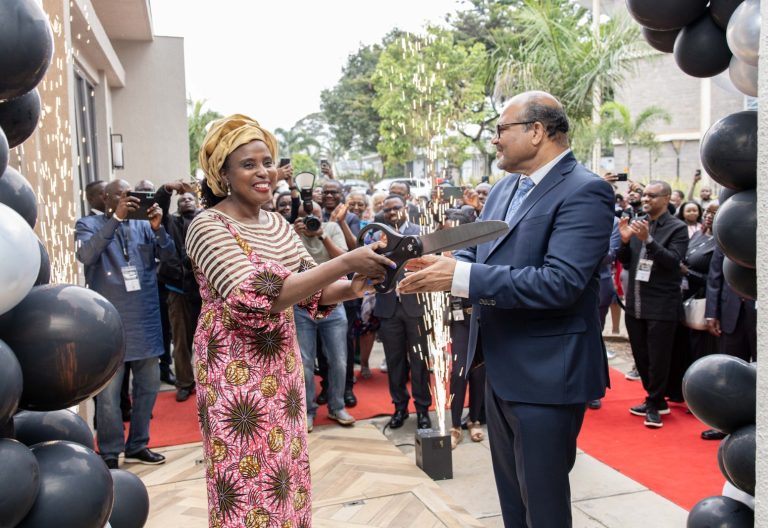
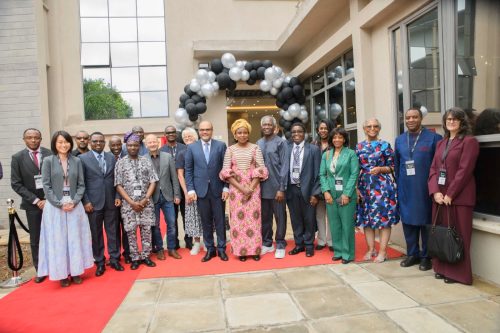
APHRC Executive Director Dr Catherine Kyobutungi recently warned that African knowledge systems have historically marginalised local researchers in global scientific discourse.

“We are trying to build a system that puts Africa first through our scientists and our institutions so that African science can count for Africans,” Kyobutungi said during the launch of the Ulwazi II Knowledge Hub.
But beyond the physical infrastructure, researchers say the real value lies in creating independent African spaces where scholars can work, collaborate and engage communities without relying on expensive external venues.
For Namatende, one of the biggest benefits of the hub is the ability to create flexible spaces for collaboration and co-creation.
“When we think about coming up with African or localised solutions for African problems, the biggest strategy has been co-creation,” she said.
“We speak with the people most affected by the issues and who have the most to lose so that we come up with solutions that will work for Africa and impact communities.”
She said having a dedicated research space would also improve data security, technological capacity and institutional visibility.
“One of the issues with African research is the idea of data security. If we have our own space, it means we can keep all our equipment there and all our data,” Namatende said.
Lack of modern laboratories
The researcher added that many African institutions still lack access to modern laboratories, collaborative working areas and secure technology infrastructure, limiting the quality and scale of their work.
The Kenyan government says it is seeking to address some of these gaps through increased investment in science and innovation.
Principal Secretary in the State Department for Science, Research and Innovation, Shaukat Abdulrazak, said the government was committed to strengthening collaboration and financing in the sector.
“We want to break silos. We want to build synergies and collaboration so that we can all come together around societal issues,” Abdulrazak said.
Funding for research
He also cited a presidential commitment to allocate one per cent of Kenya’s GDP to science, research and innovation.
For young African researchers hoping to enter the field, Namatende says collaboration will remain critical.
“Work with us, join research and engage with the opportunities APHRC has,” she said.
As African institutions push for greater ownership of research and knowledge production, experts say the continent’s future may increasingly depend on whether African scientists are given not only the ideas, but also the space, resources and influence to shape solutions for their own society
Author
Lavender Kusimba
View all posts by Lavender KusimbaLatest News







Advertisement
More on News