Advertisement
Smiling outside, struggling inside: The hidden side of university life
Tuesday 05th August, 2025 08:40 AM|

The mental health and well-being of Kenyan students have become a major concern.
With rising pressure in academics, financial challenges, parents and social expectations, and limited support structures, many learners are silently struggling with stress, anxiety, depression, and burnout.
Most universities and colleges lack adequate counselling services or mental health programmes, leaving students to navigate their emotional challenges alone.
According to a recent study by Pwani University, 31 per cent of mental health conditions are prevalent among students, with first-year students and older students at a much higher risk.
You Might Also Like
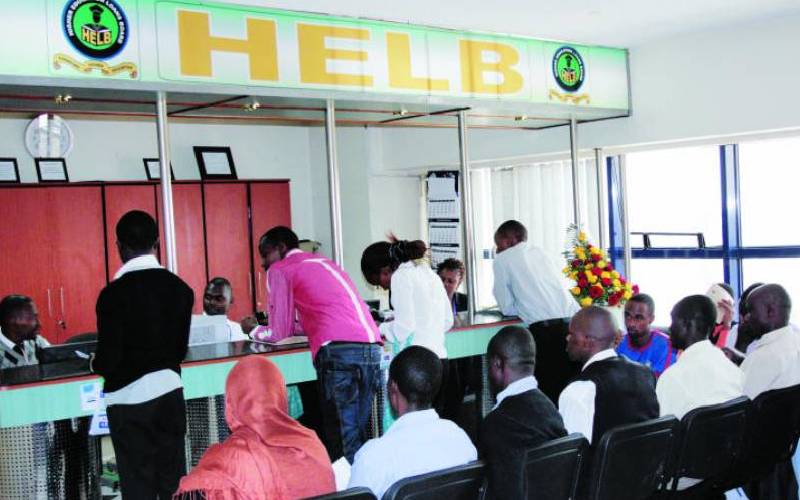

The study says there is a need for age-sensitive, student-centred interventions, family engagement programmes and increased access to mental health insurance and services to reduce risk.
Studying abroad
Prudence Juma, a Kenyan student currently studying Computer Science in Malaysia, says she chose to study abroad for the experience and exposure to new cultures.
According to her, it was an opportunity to gain a global perspective and challenge herself both academically and personally.
“But adjusting to life away from home came with emotional strain. I quickly realised how comfortable I was in my country, how community support easily came by in Kenya. But that was not the case abroad, where loneliness and isolation is part of me,” she says.
With all that she was going through, Juma had to learn to prioritise her mental well-being by taking breaks and building a support system of people she could talk to and lean on.
One thing that has continued to save her is the fact that mental health support systems in Malaysia are generally more accessible compared to here in Kenya.
“We have on-campus counselling, mental health weeks, workshops, and seminars led by professionals. There’s less stigma and more resources,” she adds, noting that many institutions in Kenya lack dedicated services for students, and the support is limited.

Brian Otieno, 23, a third-year student from Kisii, says mental health is often overlooked in Kenyan colleges and universities, despite many students suffering in silence.
“There are days when everything feels overwhelming, assignments, exams, fees, even family expectations. But we rarely talk about it. People fear being judged or misunderstood,” he says.
Normalising mental talks
He says peer conversations help, but there’s still a long way to go in normalising open discussions about mental health.
“We need more awareness, more trained counsellors, and a system that shows students it’s okay to seek help,” he says.
At Egerton University, Dr. Magdalene Gesare has spent years observing the shifting mental health landscape among students.
As a lecturer at the Institute of Gender and Development Studies, she notes that the most common struggles students face include anxiety, depression, gambling, drug and substance abuse, low self-esteem, and even suicidal thoughts.
“Many students are trying to fit into certain social classes, while others are overwhelmed by the weight of societal expectations, all in the context of a rising cost of living. It’s a lot to carry,” she reveals.
To address these issues, she says, most Kenyan universities, including Egerton, have counselling departments under the office of the Dean of Students.
These often include peer support clubs and access to individual counselling sessions.
Preparing for the world
In the classroom, Gesare says, she also prepares students not just for the job market but for life.
Within each academic unit, she tries to expose them to real-world experiences through internships and attachments.
“Mental health is now recognised as an emerging issue,” she says, adding that one of the biggest challenges she has noticed with this generation is impatience.
She adds, “With the Competency-Based Education (CBE) curriculum slowly being integrated into the university training, six years from now, I envision a generation of graduates who are better equipped, mentally and emotionally, to face the world.”

Prof. Maurice O. Okoth, former Vice Chancellor of Kenya Methodist University (KeMU), says he has observed a steady rise in both the prevalence and complexity of mental health issues among university students.
“Initially, most cases involved stress related to academic pressure or adjusting to campus life in the first year,” he recalls. But over time, challenges such as financial hardship, family instability, substance abuse, and social media pressures have taken a toll on the students.
During his leadership at KeMU, he spearheaded several initiatives aimed at addressing student mental health, such as the establishment of a Counselling and Wellness Centre, staffed by professional psychologists and supported by trained peer counsellors.
He notes that universities should adopt holistic approaches that promote well-being, including fair academic workloads, financial aid, digital literacy, and designated wellness days.
“Academic success and mental wellness must go hand in hand,” he shares.
Author
Julius Ongwae
View all posts by Julius OngwaeLatest News








Advertisement
More on Lifestyle