Advertisement
Human Rights Day: Why dignity in healthcare is the lifestyle shift we all need
Thursday 11th December, 2025 08:51 AM|
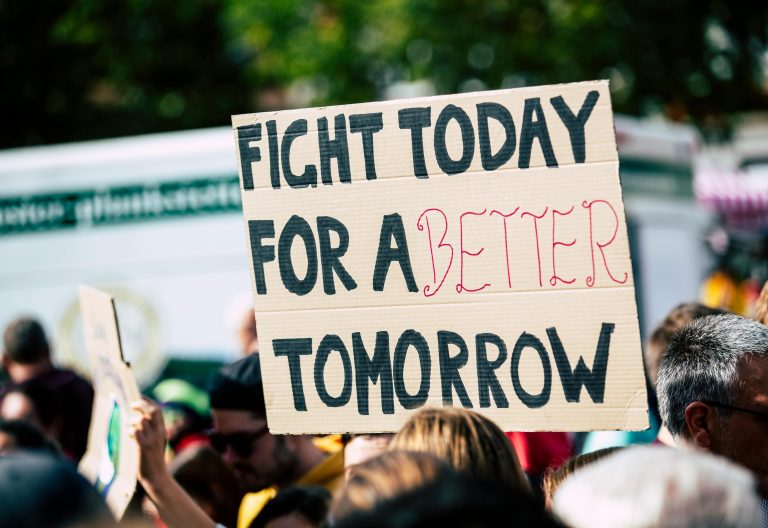
Every year on Human Rights Day, we’re reminded that dignity isn’t a luxury; it’s a baseline human right.
Yet in many clinics, hospitals, and digital care platforms, patients still brace for long waits, rushed interactions, and care that feels transactional rather than human.
It raises an important question: what if dignity in healthcare became a daily lifestyle choice and not just a slogan? The idea is simple: being seen, heard, and respected as a whole person. But in practice, it shifts how we engage with the health system.
A provider who pauses to listen, who asks how you are feeling before exploring symptoms, or who maintains basic courtesy like knocking before entering a room makes care feel more human. These gestures require no additional resources yet restore a sense of agency to patients who often feel powerless in medical spaces.
Building culture of mutual respect
You Might Also Like



Dignity goes beyond the confines of a hospital room. It becomes a mindset that shapes how we value ourselves and how we expect to be treated. When patients enter appointments prepared with questions, records, and clarity, they communicate that their time and bodies matter.
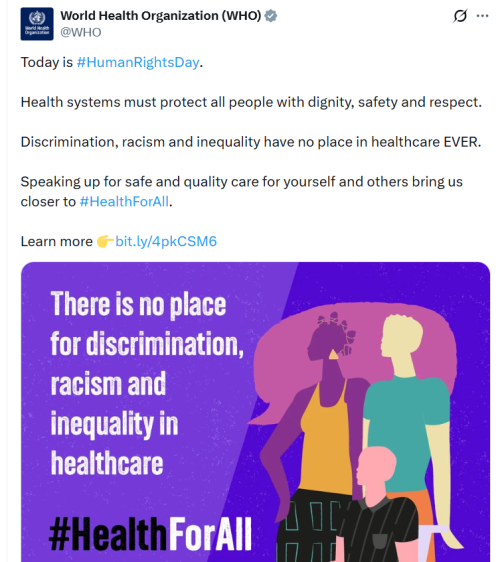
“Health systems must protect all people with dignity, safety and respect. Discrimination, racism and inequality have no place in healthcare EVER. Speaking up for safe and quality care for yourself and others bring us closer to #HealthForAll,” read WHO X post dated December 11, 2025.
When they speak up respectfully after being dismissed by a pharmacist or choose providers who prioritise humanity over convenience, they reinforce a culture where care is a partnership. In turn, healthcare workers benefit when respect flows both ways.
Providers working in environments where they feel valued, where workloads are manageable, and patients engage constructively, show lower rates of burnout. Compassion increases, communication improves, and outcomes follow.
Studies consistently show that when patients feel respected, they are more honest about symptoms, more likely to adhere to treatment plans, and less likely to avoid care out of fear or shame. Respect, therefore, strengthens both the individual experience and the broader healthcare ecosystem.
Turning dignity into daily practice
Making dignity part of everyday life reshapes how we treat our bodies long before illness. When people believe they are worthy of consistent care, they embrace habits that prevent crises adequate sleep, nutritious food, movement, mental health check-ins, and boundaries that protect rest.
Annual check-ups become acts of self-respect rather than obligations. Emotional well-being is treated with the same seriousness as physical injury, reducing stigma around mental health. This shift doesn’t require sweeping policy changes, though structural reforms remain important.
It begins in small, personal decisions: choosing appointment times that suit your life, asking for clarification when something feels unclear, expressing gratitude to frontline workers who listen, and providing feedback when service falls short. These actions encourage accountability across the system. Even simple public reviews highlighting respectful care help other patients identify supportive environments.
Human Rights Day reminds us that dignity, equality, and fairness are not gifts handed down from institutions; they are habits we cultivate until they become the foundation of our healthcare culture.
When we choose to make dignity non-negotiable, we do more than improve clinic encounters; we reclaim control over our time, our health, and our self-worth. In a world that often feels rushed, impersonal, and transactional, choosing dignity is not just good practice; it is a transformative lifestyle shift with the power to reshape the healthcare experience for everyone.
Author
Latest News








Advertisement
More on Lifestyle