Advertisement
Behind the isolation: The resilience of caregivers
Monday 04th August, 2025 08:00 AM|
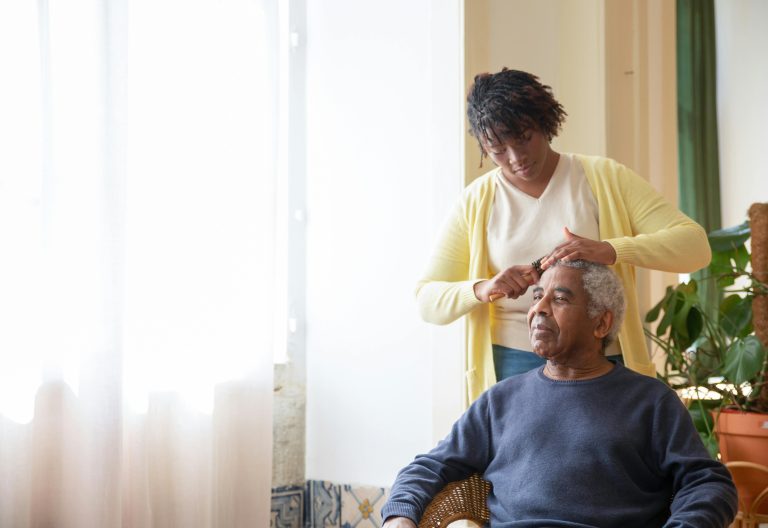
For decades, women and girls in Kenya have quietly carried the burden of caregiving within their homes.
Whether it’s caring for sick relatives, raising children, or looking after elderly parents, unpaid care work remains largely invisible in economic and policy discussions.
The impact of this work on women’s health, finances, and opportunities is significant.
Carol Nyambura has been a caregiver since being a teenager. Until her mother passed away 13 years ago, Carol shouldered the family’s caregiving responsibilities as the eldest daughter among three siblings. Every time her mother fell ill, Carol would accompany her to the hospital.
You Might Also Like

“Caregiving chooses you; you don’t choose it,” she says.
“I used to stay in a hostel near the hospital where she was treated. I would remain there until she got better.”
In early 2020, her father fell ill at the height of the COVID-19 pandemic. She recalls being transferred from one hospital to another, as most facilities were only admitting patients with COVID-19.
“My father was panting to the point of being breathless. It was shocking. Initially, some doctors diagnosed him with arthritis, while others attributed it to old age,” says Nyambura, a member of the Caregivers Empowerment Network.
In 2021, he was diagnosed with an enlarged heart, kidney issues, and the onset of dementia. The doctors prescribed medication, fearing that admitting him to the hospital would increase his risk of contracting COVID-19.
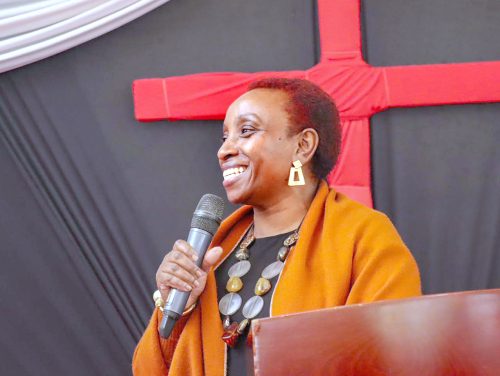
PHOTO/Vallary Akinyi
However, during these challenging times, he began experiencing seizures at night.
“I would only find out about the seizures in the morning when I looked at him and had to rush him to the hospital,” she explains, noting that her mother used to handle such seizures.
“Today, I have learned how to administer first aid.”
She says that the main challenge has been the cost of medication and tests. Initially, she spent Ksh3,000 a month, but that amount has since increased to Ksh7,000.
“Every month, the cost of medication keeps rising, as he only takes original drugs. It’s not an easy journey,” adds Nyambura.
Caregiver support groups
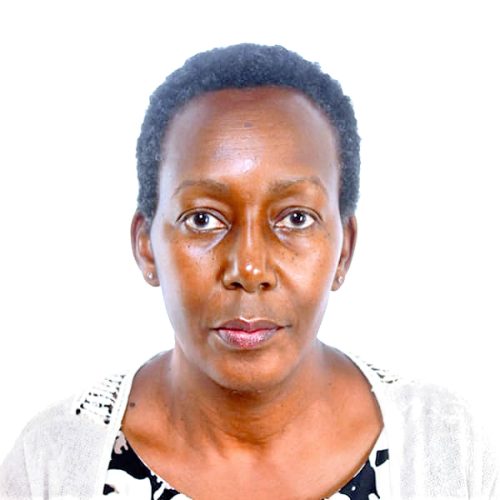
Pauline Nguyai, an unpaid family caregiver, describes caregiving as an isolating experience: “It feels like no one understands the physical and emotional toll it takes,” she says.
For Pauline, finding solace in caregiver forums has been beneficial, as it made her realise she wasn’t alone in her challenges.
“People share their experiences, and when you leave that place, you’re smiling because you feel connected and understood,” she reflects on her struggles.
PHOTO/Vallary Akinyi
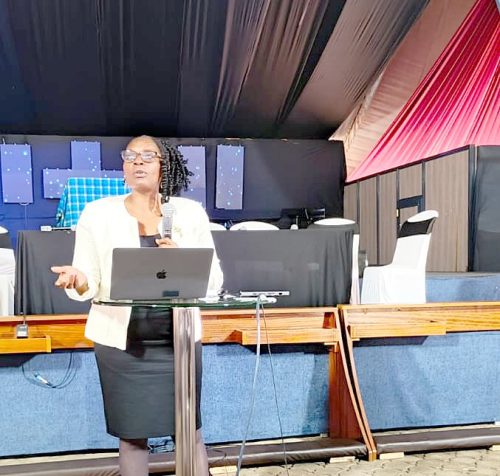
Unlike many caregivers, Pauline is fortunate to have a support system that includes her spouse, hired caregivers, and the emotional strength gained from caregiver groups.
“When you’re facing the challenges of caregiving, it’s crucial to have a support system around you,” Nguyai emphasises, noting that many caregivers are left to struggle alone.
Caregiving involves more than just physical labour; it encompasses complex emotional, financial, and physical demands. It involves the emotional toll of supporting a loved one through illness or managing medication routines with limited knowledge.
Nyambura explains that caregiving can lead to family disunity.
She has learned how to manage relationships with relatives and visitors, but reflects, “It’s a lovely journey.” She shares, “We suffer from burnout because everything is dumped on us, and we are always on edge. We experience social isolation and are often misunderstood by family, compounded by cultural issues.”
Despite these challenges, she acknowledges the support of her brother and advises other caregivers to prioritise self-care.
Lack of financial support
Another critical challenge facing caregivers is the lack of financial support. Many depend on government stipends meant for individuals with disabilities, but these funds often do not reach them.
Hillary Nandwa, a UN Women gender advocate, explains that if a person with a disability receives Ksh4,000 or Ksh5,000, their caregiver may need to use part of it for their own needs, which compromises the quality of care provided.
“This underscores the need for a system that supports both the caregiver and the person with disabilities,” Nandwa states.
Ruth Njenga, an officer at the National Gender and Equality Commission and a caregiver herself, highlights the harsh realities many face.
She notes that caregiving has traditionally been viewed as an automatic responsibility, particularly for women.
“The expectation is that the woman in the household will take care of everyone, which often leads to exhaustion and poverty,” says Njenga.
Research indicates that women spend up to five hours daily on unpaid care work, even while being employed, severely limiting their economic opportunities and overall well-being.
The plight of caregivers in Kenya is characterised by unpaid, overworked, and unrecognised labour.
Dr Jane Kamau of the Caregivers Empowerment Network says caregivers “juggle complex demands across various aspects of their lives.”
In collaboration with organisations like UN Women, the government is beginning to recognise and support caregivers through policies such as the National Care Policy, which is set to be finalised and submitted to the Cabinet by August 2025.
However, as stakeholders advocate for change, caregivers continue to face systemic challenges, including a lack of training, financial strain, and societal neglect, all of which require urgent attention.
According to The State of Caregiving in Kenya report, without prompt policy interventions to redistribute caregiving responsibilities—encouraging greater involvement from men and boys—Kenya risks perpetuating a cycle of neurological and mental non-communicable diseases (NCDs) among female caregivers.
The report emphasises that “the government, at both national and devolved levels, must review and implement policies that recognise, reduce, and redistribute this burden before it escalates into a full-blown public health crisis.”
Initiated in June 2023, the National Care Policy represents a landmark effort to formalise caregiving in Kenya.
According to Nandwa, the policy aims to document data on caregivers—particularly women—who integrate disability inclusion in collaboration with the National Council for Persons with Disabilities (NCPWD), and establish frameworks to recognise and redistribute care work.
However, the process has not been straightforward. The policy was initially presented to the Cabinet in March 2024 but faced delays due to unresolved issues.
“We have a draft of the final document and are making necessary corrections before resubmitting it to the Cabinet by mid or late August,” explains Nandwa.
He adds that there is no proper curriculum for training caregivers, and existing programs do not specifically address disability care. Consequently, UN Women is now working to develop a curriculum and implement it to bridge this gap.
Unequal funding
A significant issue affecting caregiving is the unequal funding allocated by counties, which often provides minimal resources to this area.
Additionally, tax exemptions for disability caregivers are rarely enforced. Many caregivers are not aware of their rights and where to seek assistance, leaving them vulnerable to exploitation and burnout.
Pauline suggests that more forums and stronger advocacy are needed for caregivers to share their experiences, emphasising that emotional support is just as crucial as financial aid.
However, counties must invest in care infrastructure, and society needs to change its attitude to truly value the work of caregivers.
“Policies alone aren’t enough,” warns Nandwa.
For caregivers like Carol and Pauline, this struggle is personal. They seek not only policies but also dignity, recognition, and a life beyond caregiving.
Author
Vallary Akinyi
View all posts by Vallary AkinyiLatest News






Advertisement
More on Lifestyle