World Religion Day: Why Kenya must clean religious space and curb crime
By Aloys Michael, January 18, 2026World Religion Day is marked every year to remind people that faith, at its best, should unite humanity, promote peace, and guide moral living.
It is a day meant to encourage understanding among different religions and to reflect on how spiritual beliefs can help build a just and caring society.
In Kenya, where religion is deeply woven into the fabric of daily life, this day is an opportunity to ask hard questions about how religion is practised, protected, and sometimes misused.
Kenya is a nation of believers. Churches, mosques, and temples dot every town and village. Faith offers hope during unemployment, illness, or insecurity and shapes values like charity, respect, and community solidarity. Yet, recent events reveal a darker side when religion is exploited.
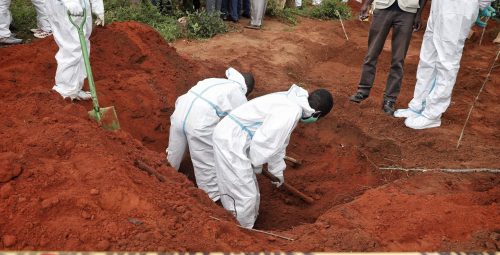
The Shakahola tragedy shocked the nation and the world, where hundreds of lives were lost after followers were misled by a preacher who claimed starvation would bring salvation.
This was not religion in its true sense; it was manipulation, blind obedience, and extremism. Shakahola exposed gaps in oversight of religious institutions and the protection of vulnerable citizens.
Aside from this tragedy, growing conmanship by self-proclaimed prophets and pastors who promise miracles or instant wealth at a price has further eroded public trust. Families are exploited, and social cohesion is weakened.
Religious conmanship
Moreover, religious extremism in Kenya is not confined to domestic cults. The country also faces threats from transnational Islamist groups, notably Al-Shabaab.
Attacks near the Somalia border, including the 2025 assault on a Garissa County police camp that killed six officers, as well as targeted violence against Christian communities in Mandera and Lamu, underscore the ongoing insecurity.
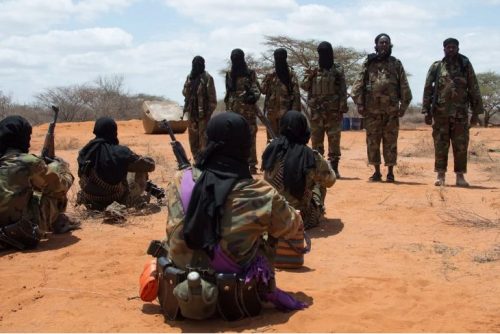
Beyond these attacks, extremist networks continue to recruit marginalised youth, luring them with false promises of work, belonging, or wealth.
World Religion Day reminds us that freedom of worship must be paired with responsibility. Kenya’s Constitution protects religious freedom, but freedom does not mean lawlessness.
Stronger regulation is needed: religious leaders should be registered, trained, and accountable. The government must work with mainstream religious bodies to set standards and act promptly when warning signs arise.
What happened to Bill?
This brings the focus to the Religious Organisation Bill 2024 that was before the National Assembly. It was envisioned as a framework to regulate religious institutions, safeguard worshippers, and prevent abuses.
Yet, questions remain: How far has the legislation progressed? Does it fully address concerns from mainstream churches to minority faiths? Has it accounted for all the nuances of faith practice in Kenya, or are there gaps that could be exploited by unscrupulous actors?
Another pressing question relates to politics. President William Ruto has consistently voiced opposition to religious leaders contributing to political campaigns. Yet, reports suggest that church-based political contributions persist.
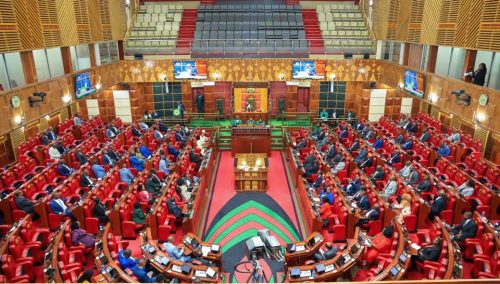
Why is this happening despite the President’s stance? How does the Religious Bill seek to clarify the boundaries between faith and politics, ensuring that congregations are not pressured to fund partisan agendas? These questions must be answered openly to restore public confidence.
Cleaning up the religious space is part of addressing Kenya’s broader challenges. Extremism, fraud, and unregulated religious activities can deepen poverty, fuel crime, and destabilise communities.
Law enforcement must take accusations of abuse seriously, and communities must feel safe to report wrongdoing. Parents, schools, and local leaders need to equip citizens with critical thinking skills to question harmful teachings.
Importantly, this is not an attack on religion. Genuine faith continues to uplift, educate, and unite communities.
But safeguarding this purpose requires accountability. If the Religious Bill is to serve its intended role, lawmakers must ensure it protects worshippers, respects diverse beliefs, and closes loopholes that allow exploitation. Only then can faith truly guide Kenya toward justice, peace, and moral living.