Advertisement
Why Uhuru’s post-presidency political involvement is vital to Kenya’s democracy
Thursday 13th November, 2025 07:06 AM|

Former presidents participating in active politics has always been a point of contention, especially after Uhuru Kenyatta completed his term and showed no signs of retreating from the political scene.
With Kenya now witnessing a new generation of leaders taking power while still relatively young, many completing their terms in their 50s or early 60s, it becomes increasingly difficult to bar such individuals from continuing to contribute to political discourse.
In Kenya, when a head of state retires, they are entitled to a retirement package and other privileges, but only if they withdraw from active politics.
This arrangement, however, has sparked debate on whether it unfairly restricts the constitutional rights of former leaders who still have the energy, ideas, and passion to shape the nation’s democratic future.
Why Uhuru should be allowed
You Might Also Like
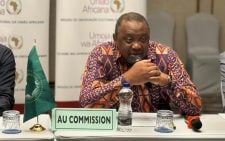
There’s a growing argument that such restrictions should be abolished. Politics is not merely an occupation; it is a form of public service and civic engagement.
Denying former presidents the right to participate in politics is, in essence, silencing experienced voices that could continue to contribute to national growth.
Uhuru Kenyatta’s situation offers a clear example. Despite being criticised by some allies of President William Ruto with threats to withdraw his retirement benefits, his continued engagement in politics should not be viewed as defiance but as a natural continuation of his civic duty.

In mature democracies like the United States, retired presidents such as Barack Obama have remained politically active, openly supporting candidates and initiatives that align with their vision for the country. Obama, for instance, campaigned vigorously for Joe Biden and Kamala Harris, underscoring that leadership and patriotism do not end with one’s term in office.
Also watch: Soy MP defends Uhuru’s right to engage in politics even after retirement.
Constitutional error
The framers of Kenya’s Constitution perhaps never envisioned a scenario where a president would retire as young as Uhuru Kenyatta, who left office at around 60 years old, unlike his predecessors Mwai Kibaki and Daniel Moi, who exited in their advanced years and had little appetite for active politics. This generational shift calls for a rethinking of post-presidency expectations.
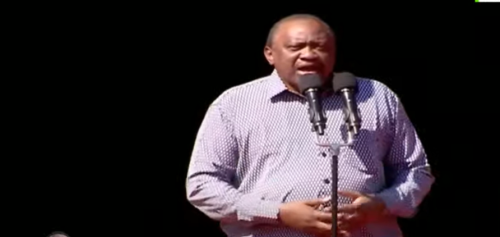
“The youths must be allowed to take positions of leadership so that they are in a position to determine for themselves how they wish Kenya to be. Sio wewe kuja kuwaambia ati itakuwa hivi; wenyewe wanajua ile Kenya wanataka,” Uhuru said.
COTU boss Francis Atwoli has previously supported this notion, advocating for constitutional reforms that would allow former presidents to engage in political affairs without forfeiting their benefits.
Such participation, rather than being a threat, can strengthen democracy by ensuring that experienced leaders continue to mentor emerging ones, advocate for accountability, and safeguard democratic ideals.
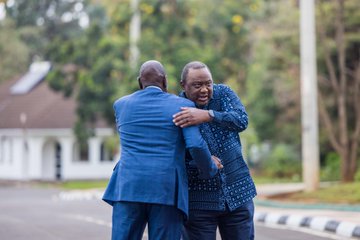
Uhuru stepping out and even calling on the younger generation to take part in leadership, while urging those in authority not to make leadership decisions for the young people but to allow them to make such decisions on their own, shows that he is still passionate about the country’s democracy.
Penalising such a person for having an interest in the political discourse is being unfair to him.
Uhuru Kenyatta’s post-presidency involvement, therefore, is not just a personal choice; it is a vital ingredient in the evolution of Kenya’s democracy.
Author
Latest News




Advertisement
More on Insights