Advertisement
Why Kenya’s early Eurobond repayment isn’t what you think it is
Sunday 05th October, 2025 11:27 AM|
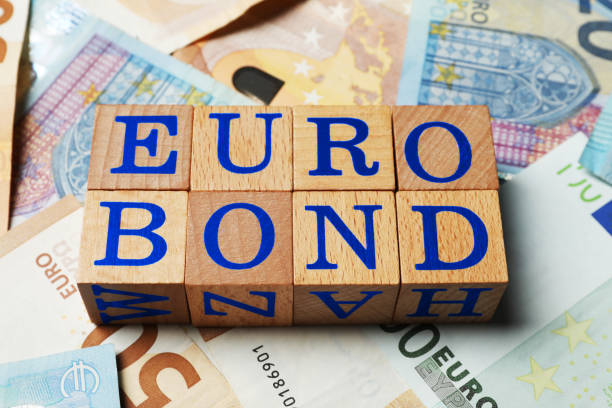
Kenya’s early settlement of part of its Eurobond debt has sparked widespread discussion and some confusion among citizens and financial observers.
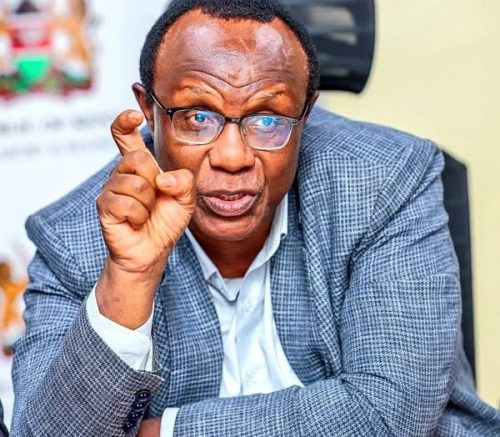
While many celebrated it as a sign of improved fiscal discipline and economic strength, President William Ruto’s economic adviser, David Ndii, offered a different and sobering perspective.
As the government’s action might ease short-term market pressure, it doesn’t mean the debt burden is gone; it’s merely being repackaged and postponed.
Responding to a question on X about whether Kenya is borrowing to pay back debt, Ndii clarified that the government isn’t repaying the Eurobond in the literal sense but refinancing it.
You Might Also Like
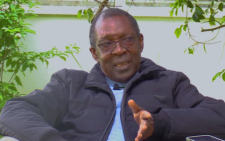
“The simple answer is yes. Governments do not pay off debt. They refinance. It does not make sense for a country with huge development needs to pay down from taxes debt that creditors are willing to hold,” Ndii explained in a statement posted on his X account on Sunday, October 5, 2025.
He further added that repaying debt early only makes sense when a country enjoys a financial windfall, such as profits from natural resources.
“Exception to the rule: it makes sense to pay down debt with windfall incomes, e.g., oil boom,” he said.
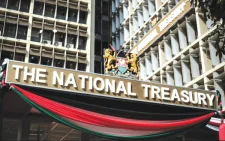
Kenya’s latest move involves settling part of its 2024 Eurobond ahead of schedule, through a deal that saw the Treasury buy back some of the outstanding debt before maturity. The payment, government officials said, was meant to restore investor confidence and ease pressure on future foreign exchange obligations.
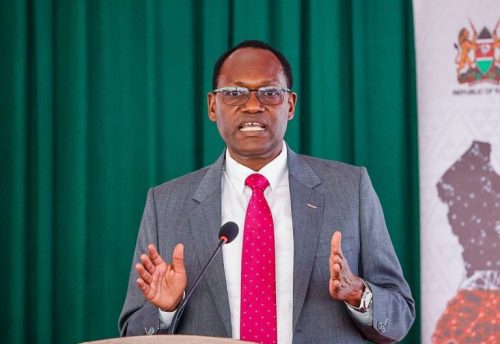
“Kenya successfully raised USD 1.5 billion (Sh193.8 billion) at a lower cost from international markets to pay off part of the 2028 Eurobond ahead of schedule,” Kiptoo said, adding that the move will reduce taxpayers’ burden.
“This prudent move eases pressure on taxpayers, boosts investor confidence, and creates fiscal space to fund key development priorities such as roads, health, and education,” Kiptoo Said.
However, Ndii’s clarification sheds light on what’s really happening behind the scenes; it’s not that Kenya suddenly found money to pay off debt, but rather that it is rolling over old debt into new borrowing under better terms.
This process, known as refinancing, allows the government to manage debt maturities and avoid default while maintaining liquidity for ongoing development projects.
This move by the government of Kenya is not unusual. Many developing nations refinance international loans to manage balance sheets and ensure fiscal flexibility. Still, it raises key questions about Kenya’s long-term debt sustainability, especially with nearly half of the country’s revenue going into loan repayments, pensions, and international obligations.
Ndii’s remarks offer a dose of realism in a conversation often clouded by political messaging. While the government’s action might ease short-term market pressure, it doesn’t mean the debt burden is gone; it’s merely being repackaged and postponed.
The broader message from Ndii’s explanation is clear: Kenya’s debt journey isn’t over. The real victory will come not from early repayments but from reducing reliance on debt altogether, a goal that remains distant as the country continues to juggle between growth ambitions and fiscal limits.
Author
Latest News






Advertisement
More on Insights