Advertisement
Tighten your seatbelt! How increased fuel price is set to hit your pocket hard
Friday 15th May, 2026 06:57 AM|

The Energy and Petroleum Regulatory Authority (EPRA) has just published its monthly review of pump prices, which has seen a significant increase in pump prices, further straining transport costs and the cost of essential commodities throughout the country.
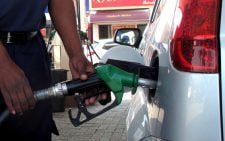
Super petrol rose to Ksh16.65 per litre, while diesel jumped a huge Ksh46.29 per litre under the new review, which will run from May 15 to June 14, 2026. Prices of kerosene were stable. After the adjustment, Super Petrol in Nairobi is now selling at Ksh214.25 per litre, while diesel is at Ksh242.92 per litre, with kerosene at Ksh152.78 per litre.
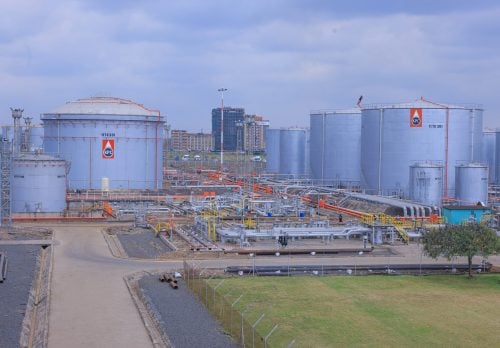
Diesel has seen the biggest price increase and so will have the largest economic impact, as most public service vehicles, trucks and commercial transport are powered by diesel. Matatu owners, bus companies, and freight handlers are expected to raise ticket prices to cover the extra costs of running vehicles with the fuel.
Bus fare hike
Matatu operators, bus companies and freight transporters are expected to hike ticket prices as a way of protecting themselves from the additional costs of operating vehicles that use this fuel.
You Might Also Like

People living in towns like Nairobi, Mombasa, Kisumu and Nakuru, therefore, are likely to pay higher prices for the basic transport service, especially at peak hours. The long-distance transport fare will also be higher, as transport companies adjust the ticket price to the fuel price.
The rise will also likely have an impact on commodity prices. Fuel is a key element in the movement of farm, factory and port produce to market, so traders and manufacturers are likely to pass on the extra cost to consumers.
Commodities price increment
Transport and distribution costs could increase the price of food commodities like maize flour, vegetables, cooking oil, milk, sugar and bread. Farmers will have to pay more for fuel to get their produce to urban markets, and wholesalers and retailers will have to pass on the extra costs to get a better profit.
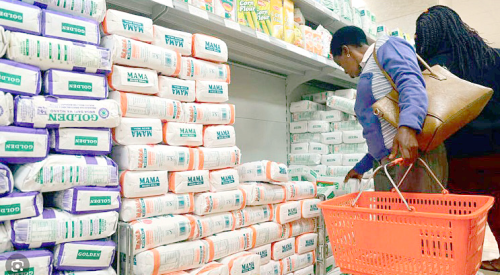
Pressure will also be applied to manufacturing industries. The rise in diesel prices leads to greater production costs for factories which use diesel-powered logistics and machinery. This could lead to prices of cement, steel, drinks and household items going up in the coming weeks.
The rising prices of fuel have been concerning economists since they believe they will continue to drive inflation further and exacerbate the cost-of-living issues facing many Kenyans. The transport sector will probably be the first to respond, but the impact will be felt in almost all sectors of the economy.
EPRA raises petrol and diesel prices by 12.34% and 12.29%, respectively, for the May-June cycle. As EPRA pushes up fuel prices, the government is compelled to pay a Ksh5B subsidy.
Author
Latest News








Advertisement
More on Insights