Advertisement
Resolve funding crisis at varsity loans board
Thursday 05th January, 2023 01:00 AM|
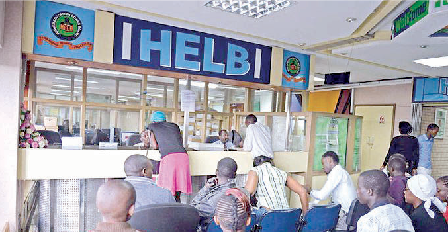
That university students have started reporting for studies without disbursements from the Higher Education Loans Board (Helb) sends a worrying signal. It is not clear what transition mechanisms the government has put in place to ensure education programmes continue uninterrupted even as it embarks on the journey of restructuring how higher education institutions are funded.
Both the National Treasury and the Ministry of Education ought to put in place mechanisms to ensure medium and long-term reform programmes do not interrupt short-term loan disbursement schedules. For instance, there is no reason why the relevant government agencies failed to disburse capitation funds for technical and vocational training colleges in July without consultation with the management of the institutions and with the affected parents and guardians.
Similarly, since the academic calendars of all learning institutions are predictable, the National Treasury should have facilitated Helb by now to disburse the allocations in time for re-opening.
Whereas it is encouraging for the government and its leadership to demonstrate that they have grand plans, not just for education reform but also for the country, they also need to demonstrate capacity to resolve routine challenges and meet their short term obligations to their stakeholders.
There is a great deal that has been allowed to go wrong in both higher and technical education over the years, starting with inadequate funding and lack of capacity by the institutions to generate their own revenues. There is need to re-look these historical problems with a view to addressing them if they are to be revived and empowered to create the pool of expert human resources Kenya needs to power its economic growth.
However, this will not happen smoothly if government agencies are seen to be frustrating young people in their quest to complete their studies and become productive citizens, hence the need to put in place systems that work both in the short-term and long-term for the benefit of all.
Ensuring seamless operations will pre-empt the possibility of unrest in universities and colleges, which have the unintended effect of disrupting academic calendars and keeping young people in the education pipeline longer than intended. All these have an impact on the economy and family livelihoods as they lead to delayed repayment of loans on one hand and delayed income generation for the beneficiaries, many of who hail from poor families.
Author
Editorial.Team
View all posts by Editorial.TeamLatest News





Advertisement
More on Insights