Advertisement
Public participation is not a luxury in a public health crisis
Thursday 04th June, 2026 06:42 AM|
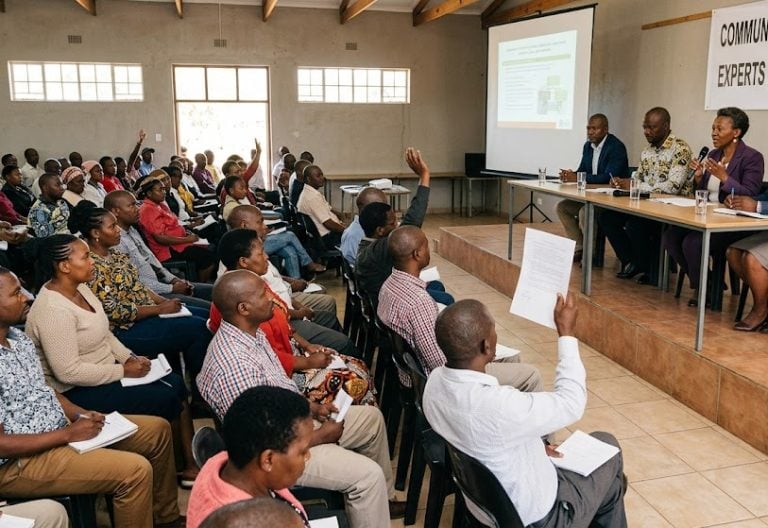
The debate surrounding Health Cabinet Secretary Aden Duale’s remarks on Ebola preparedness raises a larger question: what is the true meaning of public participation in matters that directly affect citizens?
Public participation does not necessarily mean conducting rallies before every emergency decision or delaying urgent public health interventions. During disease outbreaks, governments often need to act quickly. However, acting quickly is not the same as acting silently.
The concern raised by many Kenyans is not whether authorities should respond to health threats. The concern is whether citizens deserve information, explanation and confidence-building when major decisions are made.
Lawyer Willis Otieno captured this concern when he argued that citizens are not passive subjects to be managed, but sovereign stakeholders whose cooperation is essential for any public health response to succeed.
You Might Also Like
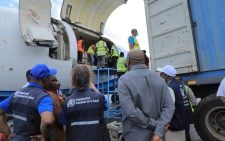

This discussion becomes even more sensitive because health experts have already warned that the current Ebola strain presents different challenges. According to experts, the outbreak involves a rare strain linked to severe disease and currently has no approved vaccine, increasing dependence on surveillance, rapid detection and preparedness systems.
Trust is also a public health tool
Communities cannot be expected to simply accept decisions affecting them without understanding the reasoning behind them. Public trust itself becomes part of disease control.
For example, citizens will still continue with daily life. Communities will still interact, travel, work and gather socially. People cannot simply stop mingling because of Ebola preparedness measures. That reality makes communication even more important.
When governments explain risks openly, answer difficult questions and provide scientific evidence, citizens become partners in the response rather than opponents.
Preparedness requires confidence, not fear
The issue is therefore not whether every outbreak requires formal public participation. The issue is whether authorities are willing to communicate transparently and build public confidence.

Citizens do not attack military camps because national security threats are handled within established systems people already understand and trust. Public health operates differently. It requires community cooperation. People who feel ignored become suspicious; people who are informed become partners.
If government is confident in its preparedness strategy, then explaining it should not be viewed as weakness.
Public participation is not about slowing government down. It is about ensuring citizens walk with government instead of being dragged behind it.
If a threat is serious enough to require extraordinary preparedness measures, then citizens will naturally ask serious questions too.
Public health responses work best when governments do not only manage disease, but also manage trust.
Author
Latest News






Advertisement
More on Insights