Advertisement
Prioritise health interventions
Monday 10th July, 2023 07:00 AM|
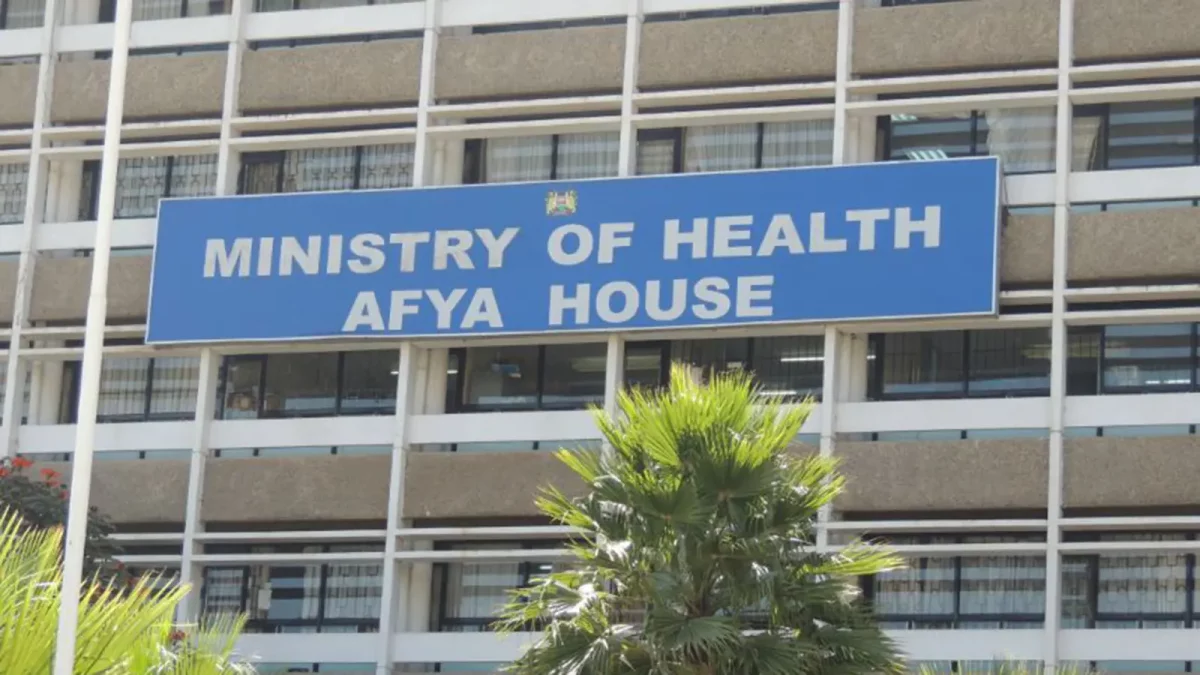
The Demographic and Health Survey, 2022, has brought to light important — if startling findings on the big health challenges that the country is facing.
This makes it a crucial document for health teams and their leaders in counties to study with a view to improving healthcare outcomes in their respective regions.
The document should also inform negotiations between counties and the national government on the areas that need to be prioritized to reduce cases of common illnesses and intervene to save or prolong lives where possible.
Given that illnesses like malaria still remain prevalent among adults and children alike, there is need for the two levels of government to speed up the distribution of the recently unveiled malaria vaccine in the areas considered to be high risk in addition to educating families on the need to use treated mosquito nets.
In the past, nets have become subjects of misinformation, leading to their poor use or for misuse as farm or fishing nets in the areas they are needed most. Only recently, one government agency — KEMSA — was caught in a scandal over the purchase of more nets, leading to the cancellation of the tender worth over Sh4 billion.
That is not just money lost. This translates to putting the lives of children and pregnant mothers at risk because they remain the most vulnerable to malaria. The cancellation of the tender was, indeed a matter of life and death because it undermined Kenya’s efforts to prevent illnesses and deaths arising from the diseases.
There is also need for counties to undertake massive public education to encourage changes in lifestyles that predispose a large number of Kenyans to non-communicable diseases arising from poor diet, smoking, sedentary lifestyles and over-consumption of alcohol.
Such campaigns, which can start in schools, can have far-reaching impacts in improving health outcomes in the short and medium term and they do not have to cost an arm and a leg.
Indeed, pilots can be conducted in specific counties and the emerging lessons applied at scale when such campaigns are eventually rolled out across the country.
Public and private institutions that have gathered critical information on how to improve health outcomes, including through sanitation, should also be encouraged to share such knowledge for implementation by the relevant agencies.
That way, Kenya can make huge progress in improving health outcomes by using locally available knowledge, personnel and resources cost-effectively.
Author
Editorial.Team
View all posts by Editorial.TeamLatest News






Advertisement
More on Insights