Advertisement
Why is Kenya stuck in permanent campaign mode while leaders are still in office?
Sunday 28th June, 2026 09:53 AM|
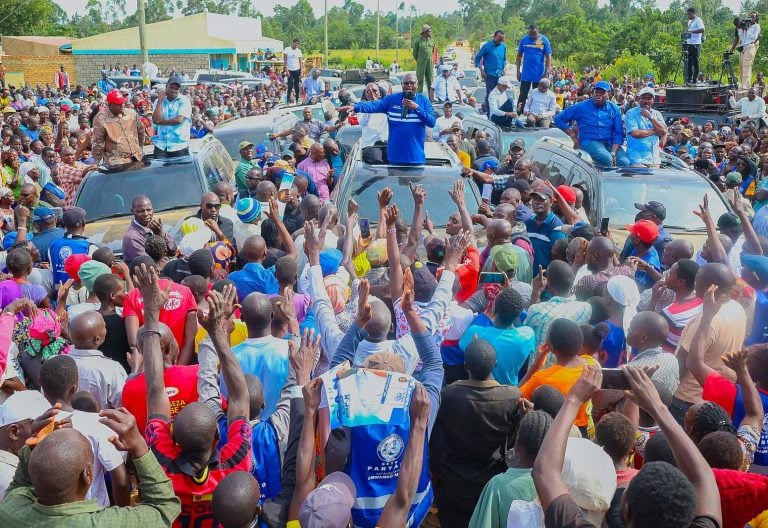
Kenya is once again sliding into familiar political territory: endless campaigns, shifting alliances and early succession battles despite the next Kenyan General Election being more than a year away.
As political temperatures rise across the country, many Kenyans are beginning to ask a pressing question: Why are leaders already campaigning for 2027 when they are still holding offices they were elected to serve in 2022?
The debate has intensified after a growing number of politicians turned their attention to coalition building, public rallies and political positioning, raising concerns that governance and service delivery are increasingly taking a back seat long before the official campaign season begins.
Ordinarily, elections are a one-day democratic exercise. Leaders campaign, citizens vote, and those elected are expected to spend the next five years governing and delivering on promises. But in Kenya, politics rarely stops.
You Might Also Like



No sooner does one election end than another cycle of campaigns begins.
Kenya trapped in permanent campaign mode
The latest concerns come just days after the Independent Electoral and Boundaries Commission officially unveiled the roadmap for the 2027 General Election, confirming that the country will vote on August 10, 2027.

The commission announced key timelines, including a February 9, 2027, deadline requiring all public officers intending to vie for elective seats to resign from office.
Yet despite the election still being more than a year away, political activity across the country has intensified sharply, with leaders increasingly abandoning governance conversations for succession politics.
Security agencies already raising alarm
Earlier in June 2026, Douglas Kanja warned that early campaigns and rising political intolerance could threaten peace and stability ahead of the 2027 elections.
Speaking during a multi-sectoral election security meeting, Kanja revealed that security agencies were monitoring increased political mobilisation, misinformation campaigns and the rise of organised gangs allegedly being used to intimidate rivals.
“Early political alignments, increasing political intolerance, weaponisation of misinformation and increased mobilisation of youth continue to pose evolving threats to election security management,” Kanja warned.
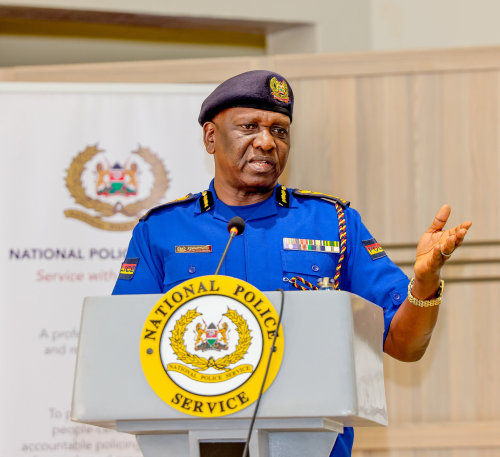
His remarks reflected growing fears that Kenya may once again enter a prolonged period of political tension long before voters head to the ballot.
Governance taking a back seat
The larger question many Kenyans are now beginning to ask is simple: when exactly are leaders supposed to govern?
In functioning democracies, elected officials spend the better part of their term implementing policy, improving service delivery and addressing citizens’ concerns.
But in Kenya, political declarations, coalition building and endless speculation over future elections often overshadow pressing national challenges, including unemployment, the high cost of living, education reforms and healthcare struggles.
As 2027 political activity accelerates, the real concern may not be who wins the election, but whether Kenya can break free from a culture where politics never stops long enough for governance to truly begin.
Author
Latest News





Advertisement
More on Insights