Advertisement
Irony of marking TB Day without doctors
Monday 25th March, 2024 05:00 AM|
Yesterday, the world marked World Tuberculosis (TB) Day riding on the theme ‘Yes! We can end TB’.
This was an important event meant to raise awareness about the devastating health, social and economic challenges that come with TB and shore up efforts to end the epidemic.
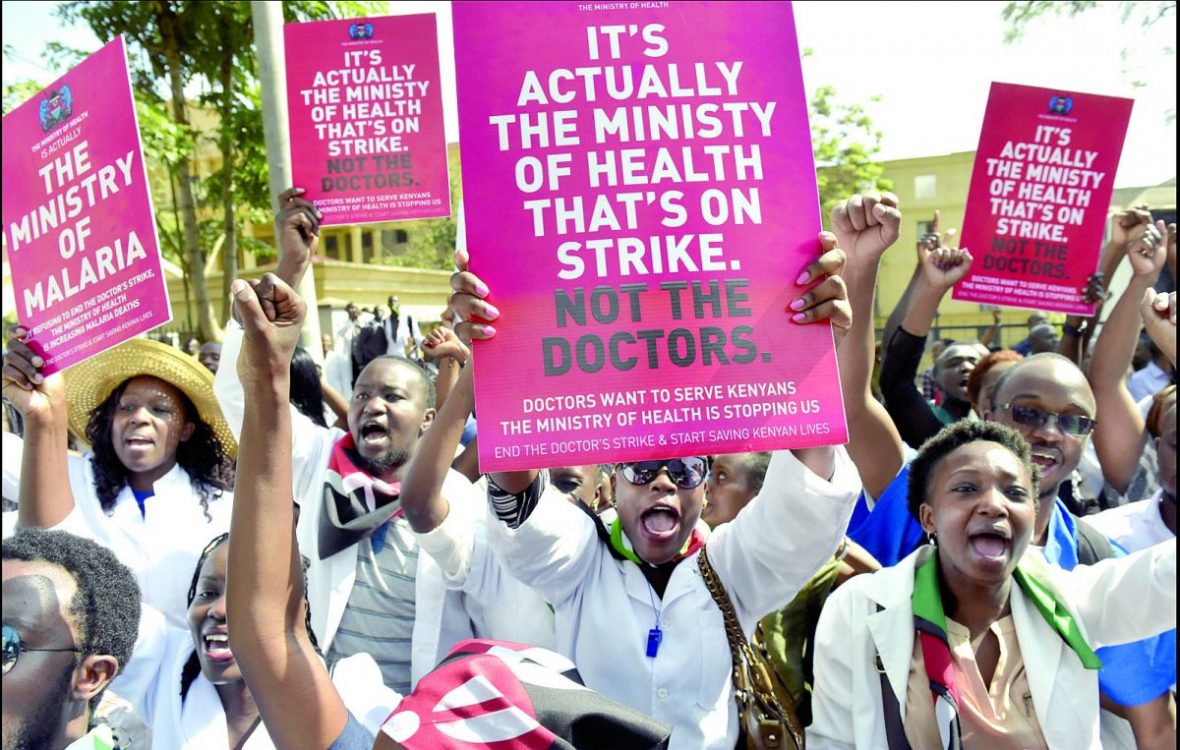
However, even as the Ministry of Health and other stakeholders plan to commemorate this day today, these celebrations take place amidst the on-going doctors strike that has entered its 10th day, paralysing operations in health facilities.
The importance of functioning and efficient healthcare system in any country cannot be overstated, hence the fact that Health Ministry officials have failed to bring to an end the stalemate between the government and doctors is clear indication of lack of commitment to guarantee that healthcare services are accessible, available and affordable to Kenyans of all walks of life.
Patients have been left on their own. Left to face the dehumanising state in hospitals where facilities and doctors now demand cash before critical care is provided.
The strike, therefore, does not only heighten the challenge of TB detection and treatment at a time when cases are on the rise, but it also loads the economic burden of treatment on poor patients.
Absence of doctors from health care facilities impacts TB’s strict nature of treatment. A TB patient is expected to abide by the set drug administration regimen, which depending on the type of treatment a patient is on, may require daily hospital visits and those who do not adhere to their curated advise are forced into isolation.
Failure to adhere to the set treatment plan also causes an even huge burden on the government’s health budget, which not only reverses gains, but is also known to cause some of the worse state of drug resistant TB. It is much more expensive to treat drug resistant TB.
TB has significant socio-economic impacts. It affects the affected health and their ability to work and engage in social and economic activities. This is in the light that the cost of treatment is financially draining for the sick and their families, especially among the poor communities.
With TB patients being turned away from hospitals owing to the cost element, it means in the event of an opportunistic infection, then the lives of these individuals are in grave danger. It is a shame that we are marking this day without doctors.
Author
Editorial.Team
View all posts by Editorial.TeamLatest News



Advertisement
More on Insights