Advertisement
Orengo: What is happening to Lichuma is a criminal act of the state
Monday 29th June, 2026 11:18 PM|
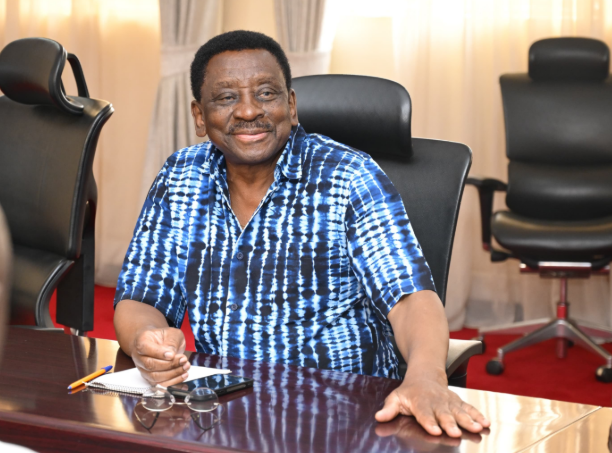
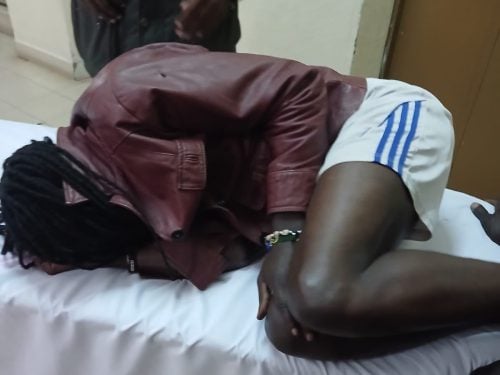
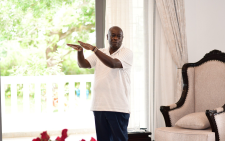
Siaya Governor James Orengo has condemned the alleged abduction and torture of social justice activist Davis Lichuma, describing the incident as “a criminal act of the State.”
Speaking during an interview on Monday, June 29, 2026, Orengo said the incident raised concerns about the protection of constitutional rights and the treatment of protesters.
Lichuma, a Mathare-based activist, went missing after taking part in the June 25, 2026 demonstrations held to mark the second anniversary of the 2024 Gen Z protests. He was among protesters reportedly arrested near Parliament.
Rights groups later confirmed that he had been found alive and admitted to Kenyatta National Hospital before being transferred to Nairobi Women’s Hospital for specialised treatment.
You Might Also Like
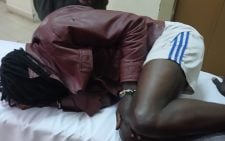
According to rights organisations, Lichuma sustained serious injuries and was unable to speak.
“What is happening to Lichoma is a criminal act of the state. And these events, I’m not really happy about them because when we had the Constitution 2010 proclaimed by President Kibaki, we thought that we had come to an end at last, but they continue. You remember in 2024, there were many deaths,” Orengo noted.
Concerns over Lichuma’s condition
Former Chief Justice David Maraga visited Lichuma at the hospital on Monday, June 29, 2026 and shared an update on his condition.
“He’s not able to talk. You don’t need to be told what he’s gone through. His frequent tremors when asleep, most likely ‘post traumatic stress disorders’ (PTSDs), tells it all. Davis has been tortured,” Maraga posted on X.
He added: “This is not acceptable and those behind it must be held accountable. We cannot be a nation that tortures, maims and kills its youth just because they seek good governance.”
During the interview, Orengo criticised what he termed continued cases of enforced disappearances and torture. “What is happening to Lichuma is a criminal act of the State,” he said.
He referred to the aspirations of the 2010 Constitution, saying many Kenyans had hoped it would end extra-judicial actions.
Orengo also referred to the 2024 Gen Z protests, during which several people lost their lives in different parts of the country. “That killing has continued,” he said.
He questioned why peaceful demonstrators were met with force instead of protection.
June 25 protests
Orengo said demonstrators who gathered on June 25, 2026, including women carrying flowers to Parliament, should have been protected by security agencies. “The duty of the police was to give them protection,” he said.
He also criticised roadblocks and police operations during the demonstrations, saying they interfered with the right to peaceful assembly.
Orengo further questioned earlier remarks by President William Ruto directing police to shoot violent protesters in the leg, saying the directive was inconsistent with existing policing procedures.
Investigations sought
The Lichuma case has drawn reactions from human rights organisations, which have called for investigations into the alleged abductions and assaults linked to the June 25 protests.
The Kenya Human Rights Commission and Amnesty International Kenya said six other protesters, Collins Ochieng, Muteti Mulinge, Michael Ngigi, Elisha Alam, Fredrick Ojiro and Christine Walubengo, were allegedly arrested, assaulted and later abandoned in different parts of Nairobi.
Interior Cabinet Secretary Kipchumba Murkomen said 355 people were arrested during the demonstrations.
Human rights organisations have called on the Independent Policing Oversight Authority (IPOA) and the Kenya National Commission on Human Rights to investigate the reported incidents.
Lichuma remains under medical care as investigations and calls for accountability continue.
Author
Latest News
Advertisement
More on Inside Politics