Advertisement
How Gideon Moi’s latest game plan signals a moment of rebirth
Friday 10th October, 2025 09:25 PM|

When Gideon Moi‘s withdrawal from the Baringo senatorial by-election was announced after he failed to present a nomination certificate to the Independent Electoral and Boundaries Commission (IEBC), it was not just another politician stepping out of a race; it was the son of a former president choosing a quieter but potentially smarter path.
The move comes after a recent meeting between Gideon Moi and President William Ruto at State House. Ruto openly confirmed that he invited him to help take the country to the next level.
The timing has sparked debate: is Gideon surrendering to political reality or carefully plotting his comeback from within the system?
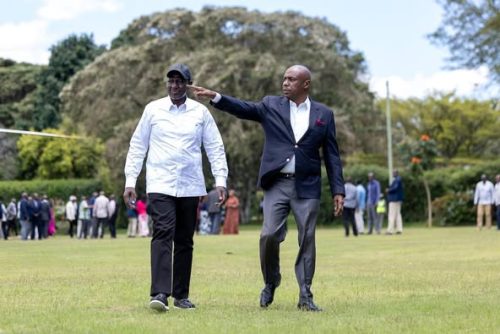
For many, the decision feels like the closing of one chapter. In 2022, Gideon Moi lost the same Baringo seat to William Cheptumo, a loss that sent shockwaves through KANU’s traditional stronghold and exposed just how much the Rift Valley political landscape had shifted under Ruto’s dominance. Coming back for the by-election would have been a gamble, one that could either restore his footing or sink his political relevance for good.
You Might Also Like



By stepping aside, Gideon may have avoided a second defeat that could have weakened not just his image but the legacy of his family’s political dynasty. Sometimes, in politics, survival depends not on fighting every battle but on choosing which ones to skip.
Rebirth
But his withdrawal also opens another possibility: reinvention. With Ruto reaching out, Gideon Moi could find a new space in national leadership, one that positions him more as a statesman than a rival. Joining the government, even informally, would allow him to stay visible, rebuild networks, and perhaps rebrand KANU’s identity around cooperation rather than confrontation.
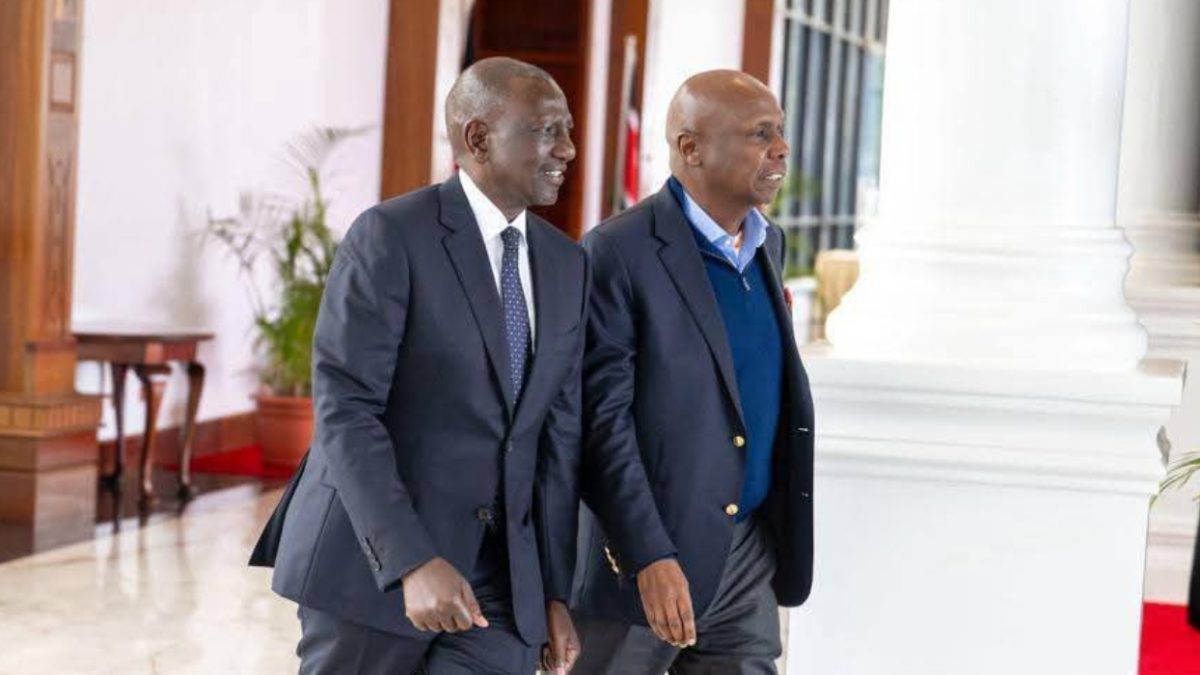
Still, there’s a thin line between strategy and silence. If Gideon fades into the background for too long, he risks being forgotten by his supporters, especially those who still view him as the torchbearer of independence-era politics. Refusing to join Ruto’s camp, on the other hand, could have left him isolated and vulnerable, especially after another electoral loss.
His decision, therefore, reflects a careful calculation, balancing between dignity and destiny. Whether this is a quiet retreat or the start of a political rebirth will depend on what Gideon Moi does next. In Kenyan politics, silence can be powerful, but only if it leads to a stronger return.
Author
Latest News


Advertisement
More on Insights