Advertisement
Fuel crisis: Inside Kenya’s Ksh17B debt amid looming shortage and price hike
Friday 15th May, 2026 08:40 AM|

The Ksh17 billion fuel debt owed by Kenya to oil marketers exposes significant gaps in the financing of the petroleum levy and energy stability. The crisis shows wide gaps in funding the petroleum levy and energy stability.
Fuel shortages in Kenya have reached a critical stage, as the latest review by the Energy and Petroleum Regulatory Authority (EPRA) has further contributed to the increases in pump prices, while the country grapples with a lack of fuel supplies due to the failure to pay fuel subsidies.
The new EPRA review announced in mid-May 2026 has seen prices of super petrol, diesel and kerosene increase to Ksh204.31, Ksh203.47 and Ksh159.85 per litre, respectively. The latest changes take the edge off of consumers in a country where many people are already feeling the pinch from a rising cost of living and the shortages of goods in parts of the country.
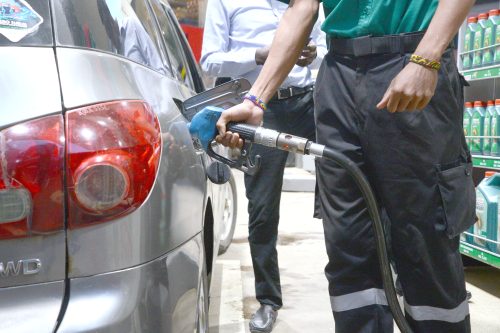
This is largely due to the escalating price of crude oil globally, the stress on the Kenyan shilling and the inability of the government to finance the stabilisation of fuel due to financing gaps in the programme.
You Might Also Like
The recent escalation of tensions in the Middle East has continued to keep international oil markets volatile, which has increased the landed cost of imported fuel into Kenya.
The subsidy programme
The crux of the issue is the Petroleum Development Levy (PDL), which is a tax the Kenyans pay on every litre of fuel they buy. The levy was to be implemented to keep consumers from being affected by high fuel prices in other parts of the world and to provide a stabilisation fund for the government to use to pay for low prices at the pump.
The subsidy programme has been a major factor in averting catastrophic fuel price hikes for the last few years. The government would take a cut from the price at local pumps, rather than immediately in the market, using compensation payments to the oil marketers. This enabled consumers to pay relatively lower prices than the actual import cost.
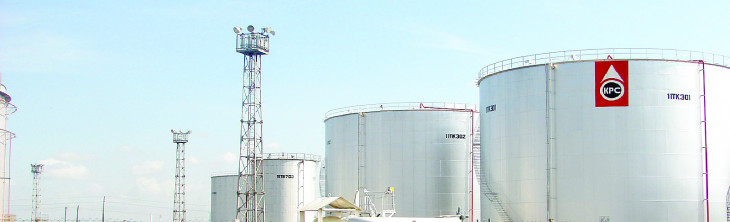
Oil marketers are reportedly owed over Ksh17 billion by the government for delayed reimbursements as of May 2026. The backlog has led to cash flow problems at many fuel shops, especially the small independent marketers who depend on timely payments for fresh fuel supplies from the Kenya Pipeline Company (KPC) system.
Fuel shortages
Fuel shortages have started to be felt all over the country. This has led to some towns experiencing fuel shortages, long queues at some fuel stations and a cut in fuel supplies as marketers find it difficult to run operations without government subsidies.
The crisis has put the Petroleum Development Levy fund under more public scrutiny. Kenyans have been paying billions in the levy every month, but at a time when people need it, the stabilisation programme is suffering funding problems.
The cost of the subsidy programme increased because of the high prices of oil in the world market for long periods. This amounted to the government spending billions to protect consumers and, at the same time, encountering a drop in revenue, debt commitments and foreign exchange reserves.
The government-to-government (G-to-G) fuel importation scheme proposed by President William Ruto’s government was going to stabilise the market with a view to reducing the need for dollars and easing pressure on the shilling. The programme was, however, not able to ease fuel prices and help stabilise fuel imports for a period of time, and it did not remove the vulnerability to the price volatility of the world market.
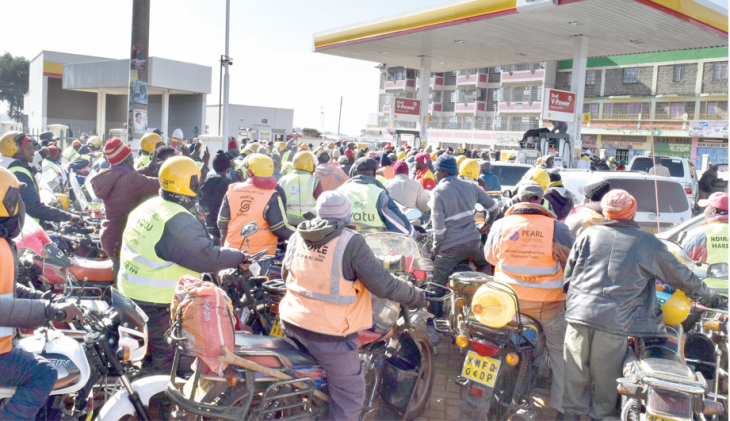
PD/David Macharia
The price hikes in the world market also led to a very steep increase in subsidy costs and eventually resulted in the current payment arrears to marketers.
Fuel prices’ effect on households
The new rise in fuel prices is likely to cause a fresh round of inflation in the economy. As matatu operators, logistics companies and boda-boda riders pass on the high fuel prices, transport costs are already rising. The cost of farm produce and manufactured goods being transported is also going to be higher, which will drive up food prices.
In the eyes of normal Kenyans, the fuel situation is already more of a problem than just fuel. It has now become a wider fiscal management and transparency issue, and if the billions collected by the Petroleum Development Levy have been sustainably managed to cushion consumers in times of economic shock.
Author
Latest News








Advertisement
More on Insights