From daily pills to biannual jabs: Will Kenya finally end its HIV epidemic?
By Faith Lagat, September 26, 2025Kenya stands on the brink of a major advance in its fight against HIV/AIDS, with a new deal set to make lenacapavir, a twice-yearly injectable pre-exposure prophylaxis (PrEP), accessible at a fraction of current costs.
The Bill & Melinda Gates Foundation has partnered with Indian pharmaceutical company Hetero Labs to produce the drug, which could cost as little as $40 (Ksh5,100) per patient per year.
This development offers hope to millions in low- and middle-income countries, including Kenya; however, challenges such as sustainable funding, equitable access, and local behavioral trends persist.
Lenacapavir, approved in 2024 by the US Food and Drug Administration and the European Commission, provides six months of HIV protection with a single injection. Unlike daily oral PrEP, which faces obstacles such as stigma, adherence challenges, and inconsistent availability, this biannual jab could be transformative, particularly for young women in high-burden counties including Homa Bay, Kisumu, and Siaya.
According to UNAIDS, Kenya recorded over 22,000 new HIV infections in 2023, with young women disproportionately affected. “Scientific advances like lenacapavir can help us end the HIV epidemic, if they are made accessible to those who need them most,” said Trevor Mundel, president of global health at the Gates Foundation.
Building access
The collaboration with Hetero Labs, alongside a parallel initiative involving Unitaid, the Clinton Health Access Initiative, and Dr Reddy’s Laboratories, aims to create a robust generics ecosystem.
Initial doses could reach Kenya by late 2025, with generic versions potentially available by 2027, pending regulatory approval.
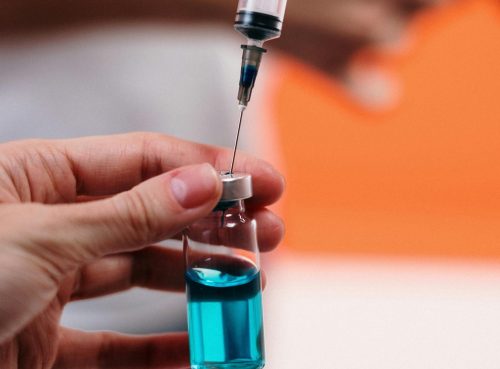
The Gates Foundation has already invested over Ksh 10.24 billion to accelerate market readiness and support delivery systems. A Ksh 116.74 billion pledge to the Global Fund’s 2026-2028 campaign highlights the global commitment.
Modelling studies suggest that scaling lenacapavir to just 4% of high-risk populations could prevent up to 20% of new infections—a promising prospect for a country where HIV remains the leading cause of adult deaths.
Kenya has made significant strides in its HIV response. The Ministry of Health recently reported that 98% of the 1.36 million people diagnosed with HIV are on lifesaving treatment, and mother-to-child transmission has fallen from 14% to 7.2% over the past five years. Yet challenges persist: globally, 1.3 million people were newly infected with HIV in 2024, and only 18% of those eligible are accessing PrEP.
In Uasin Gishu, Governor Jonathan Chelilim recently highlighted a concerning trend in Eldoret, where nightlife and student behaviors contribute to rising infections. “I am shocked if this is the same Eldoret I used to know,” he said, vowing to address the issue through targeted interventions.
Sustaining gains
First Lady Rachel Ruto has also called for urgent action, convening stakeholders on September 11, 2025, to tackle the intertwined challenges of HIV, teenage pregnancy, and gender-based violence. “This demands our collective and urgent action,” she said, emphasising the role of community health promoters in protecting adolescents.
Integrating lenacapavir into national health systems, particularly in rural areas where daily medication access is difficult, could ease the burden on families and reduce new infections.
Funding and sustainability remain crucial. Health Cabinet Secretary Aden Duale, speaking at the 80th UN General Assembly on September 25, 2025, warned that Kenya’s gains could stall as US global health priorities shift under the America First Global Health Strategy. Programs like PEPFAR have been vital, enabling 1.4 million Kenyans to access treatment, but Duale stressed the importance of local manufacturing, technology transfer, and reduced donor dependency.
Reforms at the Kenya Medical Supplies Authority and investments in digital health infrastructure are steps in this direction, yet predictable funding remains essential.
Kenya now has a historic opportunity. Lenacapavir’s affordability and ease of use could transform HIV prevention, but success depends on equitable rollout and addressing local risks such as nightlife-driven infections in urban centers.
Strengthening community health systems, sustaining global partnerships, and ensuring no one is left behind will be key. With milestones like 98% treatment coverage and halved mother-to-child transmission, the country has shown what is possible. The introduction of lenacapavir could be the next step in turning the tide against HIV in Kenya.