Advertisement
Explainer: Why NTSA’s new inspection rules face scrutiny over transport costs
Monday 01st June, 2026 04:28 PM|
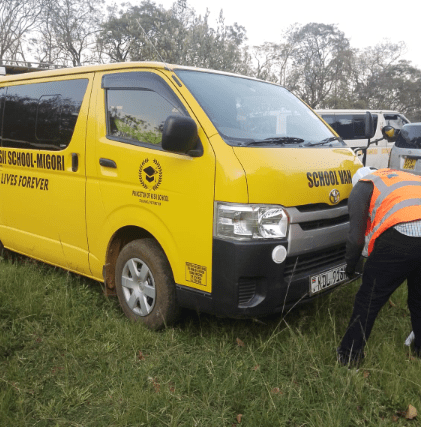
New vehicle inspection regulations introduced by the National Transport and Safety Authority (NTSA)are facing increased scrutiny amid concerns that they could significantly raise transport costs, particularly for school-going children.
The debate centres on how the Traffic School Transport and Motor Vehicle Inspection Rules, 2026, may reshape compliance requirements for school transport operators and the wider public transport sector.
Of concern is the expected increase in operational costs linked to mandatory inspections. Schools that operate transport fleets argue that stricter inspection requirements, combined with centralised inspection facilities, could introduce additional logistical challenges.
These include longer travel distances to inspection centres, downtime for vehicles awaiting inspection, and increased administrative compliance costs.
You Might Also Like


These added expenses are likely to be passed on to parents through higher school transport fees. In a country where many families already face rising education-related costs, any increase in transport charges is seen as a significant burden.

Another key issue is the limited availability of inspection facilities. Critics of the rules argue that most inspection centres are concentrated in urban areas, leaving schools in rural and remote regions at a disadvantage.
The need to transport vehicles long distances for mandatory inspections not only increases fuel costs but also disrupts school transport schedules.
To address these challenges, stakeholders in the education and transport sectors have proposed several adjustments. One major recommendation is the establishment of decentralised inspection centres and mobile inspection units.
This approach, NTSA say, would allow vehicles to be inspected closer to where they operate, reducing travel costs and logistical strain.
NTSA reforms?
There is also growing support for a phased rollout of the new inspection requirements. A gradual implementation is seen as necessary to give schools and transport operators time to adjust their fleets, budgets, and compliance systems without sudden financial pressure.

This would also help avoid abrupt disruptions in school transport services.
Another major point of discussion is the cost of inspection itself. Calls have been made for a review of inspection fees, with suggestions that subsidies or reduced rates for school transport vehicles could help cushion parents from indirect cost increases.
Beyond cost concerns, lawmakers and stakeholders have raised questions about the readiness of the system to enforce the new rules effectively.
Issues such as unclear timelines for implementation, inconsistent penalties, and limited public awareness have been highlighted as potential obstacles to smooth enforcement.
There is also emphasis on the need for stronger public participation before full rollout. Critics argue that broader consultation would help align the regulations with practical realities faced by transport operators, schools, and motorists.
Supporters of the reforms, however, maintain that the new inspection rules are essential for improving road safety standards, reducing mechanical-related accidents, and ensuring that vehicles transporting children meet higher safety benchmarks.
Author
Latest News








Advertisement
More on Insights