Advertisement
Explainer: Why Kenya should be worried as Saudi Arabia cuts oil supply
Monday 23rd March, 2026 05:23 PM|

Kenya could soon feel the pinch at the fuel pumps, and the cause is not local because it is happening halfway across the world in the Middle East.
Saudi Arabia, the world’s top oil exporter, has reduced its crude oil deliveries to key Asian countries for the second month in a row. This move may seem distant, but its ripple effects could hit Kenyan drivers, businesses, and the wider economy hard.
Saudi Arabia’s cutbacks are not minor. Refineries in China, India, South Korea, and Southeast Asia rely heavily on Saudi crude to produce refined fuel.
Now, these refineries are getting less, particularly the heavier grades of oil needed to make petrol and diesel. India alone is set to receive over three million barrels less than usual this month. Less crude means less refined fuel, and some of that fuel would normally make its way to African markets, including Kenya.
You Might Also Like

Kenya imports most of its refined petroleum from Middle Eastern countries such as the United Arab Emirates and Saudi Arabia. India and Southeast Asia also supply the country with fuel. But when the main suppliers face shortages, Kenya cannot easily find alternatives.
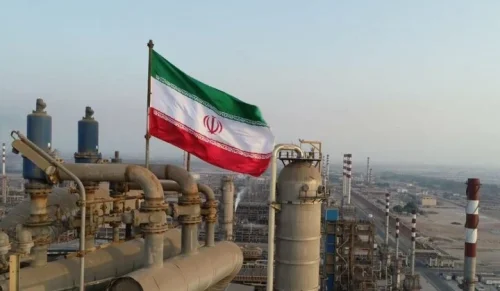
Fuel crisis
Even countries like Malaysia, Singapore, Thailand, and South Korea, which ship smaller quantities of fuel, are affected. If Asian refineries cut production due to less crude, multiple supply routes to Kenya tighten at once, not just one.
The situation is made worse by growing instability in the Middle East. The Strait of Hormuz, a narrow but crucial waterway for oil shipments, has become increasingly tense. Saudi Arabia has responded by rerouting its exports through the Red Sea port of Yanbu and supplying only Arab Light crude.
While this keeps some oil flowing, it limits the types of crude available to Asian refineries, reducing their capacity to produce the heavier fuels that end up in Kenya.
What does this mean for ordinary Kenyans? In the short term, fuel prices at local pumps may rise sharply. We have already seen signs of panic, with reports of fuel hoarding at some petrol stations.

Beyond the price of petrol and diesel, the knock-on effects could reach public transport fares, the cost of food and goods, and even electricity generation in some cases. Businesses that rely on fuel for logistics or production may face higher operating costs, which could translate into more expensive products for consumers.
Kenya’s reliance on imported fuel exposes the country to shocks far beyond its borders. Unlike countries with large domestic oil reserves, we depend on a complex chain of suppliers, from the Middle East to Asia to East Africa. When any link in that chain is stressed, the effects are felt locally. Saudi Arabia’s recent decision may be part of its own economic strategy or a response to regional tensions, but for Kenya, it is a reminder of vulnerability.

The government and fuel importers need to monitor this situation closely. Strategic reserves, alternative suppliers, or even temporary fuel rationing could be considered to shield consumers from sudden price spikes.
Long-term solutions, such as investing in domestic energy production, refining capacity, or renewable energy, could help Kenya reduce its exposure to global oil shocks in the future.
For now, however, Kenyans should brace themselves. The Middle East is far away, but the consequences are already on our doorstep.
Every drop of fuel matters, and Saudi Arabia’s cutback could be a wake-up call: global events do not stay abroad; they can travel all the way to Nairobi’s fuel stations.
Author
Latest News








Advertisement
More on Insights