Advertisement
UN: Civilians facing worst impact in ongoing Middle East conflict
Saturday 21st March, 2026 09:31 AM|

The United Nations High Commissioner for Human Rights, Volker Türk, has warned that civilians are enduring the heaviest toll of the escalating conflict in the Middle East, with the humanitarian situation deteriorating rapidly.
In a statement on Friday, March 20, 2026, Turk said the war has caused death, destruction, and unbearable suffering across the region and beyond, calling for urgent diplomatic efforts to be the only way to prevent further escalation and restore peace.
“The human cost of the reckless war in the Middle East is alarming. Hostilities are being waged without regard to the immediate and long-term consequences for civilians across the entire region and beyond,” the statement read in part.
His remarks come as the Kenyan government steps up efforts to respond to the crisis, seeking Ksh400 million to facilitate the evacuation of its nationals stranded in affected areas. The Ministry of Foreign Affairs has appealed to Parliament to approve the funds, which will support the repatriation process.
You Might Also Like

Appearing before the National Assembly’s Defence, Intelligence and Foreign Affairs Committee, Ambassador Hellen Gichuhi confirmed that 15 Kenyans had already been evacuated from Iran and were on their way home. An estimated 500,000 Kenyans currently reside across the Middle East.
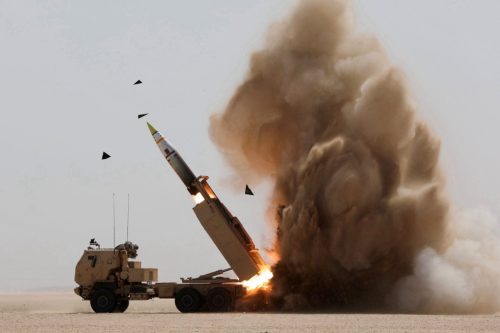
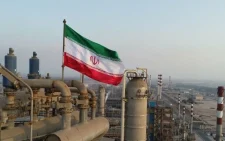
Türk cautioned that the conflict is entering a more dangerous phase, particularly with increasing attacks on key energy infrastructure. He warned that continued strikes could unleash severe humanitarian, environmental, and economic consequences that may persist for years.
“To pull the region back from the brink and prevent further loss of civilian life and destruction of vital public infrastructure, renewed diplomatic efforts are critical and urgently needed,” he said.
He further stressed that attacks directed at civilian infrastructure or essential services violate international humanitarian law and may constitute war crimes.

“I also deplore the impact of the sustained Iranian strikes against states in the region. Strikes on Bahrain, Iraq, Jordan, Kuwait, Oman, Qatar, Saudi Arabia and the United Arab Emirates have kept the region on high alert, instilling fear and anxiety.”
According to Türk, foreign nationals, including migrant workers, are among those affected, with some killed by debris and shrapnel as violence intensifies.
“With many residing or working near strategic infrastructure, they face heightened risks of exposure.”
Fuel prices concerns
Beyond the battlefield, Türk highlighted a worsening domestic situation in Iran, citing reports of arrests, executions, and internet shutdowns amid the ongoing unrest.
He warned that the conflict is also shrinking civic space across the region, with individuals facing detention over claimed espionage, treason, or even sharing information related to the hostilities.
“The ugly reality of war is not a carte blanche to violate human rights.”
As millions prepare to mark Eid al-Fitr, Türk noted the sombre atmosphere overshadowing the celebrations.

“I extend my warmest Eid wishes to all those who observe it, and my heartfelt solidarity to all those enduring the hardships of conflict and instability.”
In Kenya, however, Energy Cabinet Secretary Opiyo Wandayi assured the public that the country has sufficient fuel reserves to withstand possible shocks linked to the crisis.
“Kenya has sufficient petroleum products to cover both the country and the region in the wake of the crisis in the Middle East,” Wandayi said.
He added that the government has secured fuel imports through April 2026, ensuring a stable supply despite uncertainties.
While Kenya remains vulnerable as a net importer of petroleum, officials say planning and early procurement have strengthened the country’s resilience.
Author
Latest News






Advertisement
More on News