Explainer: How Ruto’s new police digital intelligence unit would work
By Aloys Michael, January 5, 2026President William Ruto’s administration plans to create a Police Digital Intelligence Unit, which has triggered sharp public debate.
Supporters see it as a necessary update to policing in a digital age, while critics fear it could expand state surveillance and threaten privacy and free speech.
The proposal sits at the centre of a broader question: how should the state respond to crime that increasingly happens online without crossing constitutional lines?
The proposed unit is anchored in amendments made in 2024 to the Computer Misuse and Cybercrimes Act.

According to the government, this law already provides the legal tools needed to investigate digital crimes. The new unit, the State argue, would not introduce fresh surveillance powers.
Instead, it would organise and specialise existing powers to respond to crimes that are now digital, fast-moving, and often cross national borders.
Authorities say conventional policing is struggling to keep up with this shift. Crimes such as online fraud, child sexual exploitation, terrorism financing, coordinated disinformation, and cyber harassment are increasingly planned and executed through digital platforms.
These offences, the government argues, cause real-world harm but require specialised skills and tools that traditional police units often lack.
Monitoring online users
At the heart of the controversy is whether the unit would focus narrowly on crime or expand into monitoring ordinary citizens.
In a public information document released after criticism intensified, the government insists the unit’s mandate is limited.
It says the Police Digital Intelligence Unit is not designed for mass surveillance or for tracking lawful online activity. The government states that its work would begin only when there is a specific and credible criminal threat.

The document lists the types of offences the unit would handle. These include child sexual abuse material, online scams and fraud, cyberbullying and harassment, hate speech that directly incites violence, terrorism recruitment and financing, coordinated disinformation linked to security risks, and digital incitement to violence.
The government argues that these crimes pose direct risks to public safety and to vulnerable groups, especially children.
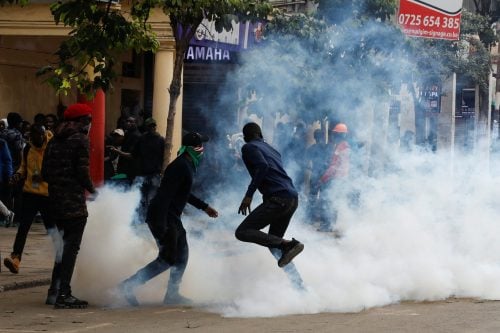
Concerns about freedom of expression have been particularly strong, especially following nationwide protests that were heavily organised and amplified through social media.
Many Kenyans worry that a digital intelligence unit could be used to track critics or suppress dissent. The government responds by drawing a clear distinction between criminal conduct and lawful speech.
PHOTO/@channelafrica1/X
Hate speech and children’s safety
According to the document, the unit is not intended to limit political speech, criticism of government, peaceful dissent, or public debate.
Kenyans, it says, remain free to express opinions online. Enforcement would only apply where digital platforms are used for criminal purposes defined in law, not for expressing unpopular or critical views.
Officials also point to lessons from the 2024 protests. While digital tools enabled lawful civic mobilisation, authorities say the same platforms were sometimes used to spread false information, coordinate harmful actions, or incite violence.
The proposed unit, they argue, would help identify genuine security threats without undermining constitutional rights.
Privacy remains a central concern. To address this, the government outlines several safeguards. These include the requirement for judicial warrants where the law demands them, internal and external review processes, and existing disciplinary and accountability systems within the police service.

The document stresses that there would be no indiscriminate data collection and that any access to digital information would be specific, limited, and legally authorised.
Beyond enforcement, the unit is framed as focusing on prevention. Its goals include early detection of digital threats, protection and support for victims, disruption of criminal networks, and dismantling online infrastructure used for illegal activities.
Child protection is highlighted as a key priority, with promises of faster responses to abuse reports and cooperation with digital safety and child protection organisations.
Finally, the government says transparency will be essential. It promises regular public reporting, clear communication about the unit’s mandate, and defined operational limits.
Whether these assurances will be enough to build public trust remains an open question, and much will depend on how the unit operates in practice once established.