Advertisement
Dialogue: History casts doubt on Raila’s goals
Tuesday 22nd July, 2025 06:00 AM|
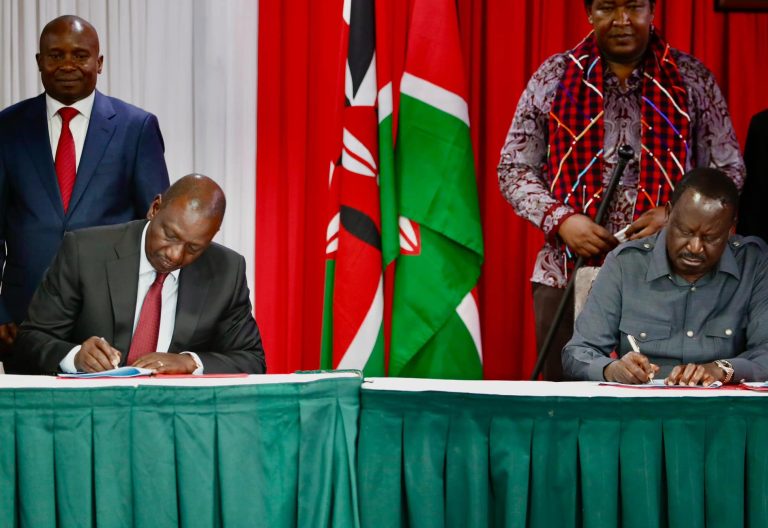
Former Prime Minister Raila Odinga has once again taken to the national stage with calls for dialogue to address the pressing challenges facing the country – economic hardship, political polarisation, and governance concerns.
On the surface, such overtures for national conversation might appear noble and necessary. But beneath this rhetoric lies a complicated history that makes it difficult for many Kenyans to trust the true intentions of the ODM leader.
Though Raila has become synonymous with opposition politics over several years – with his record including leading mass protests, rejecting election results, and championing constitutional reforms – a consistent pattern has emerged.
These moments of confrontation with the government of the day often end not with tangible reforms for the public, but with political accommodations that benefit him personally and his allies.
You Might Also Like
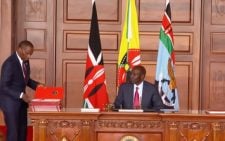
A clear example is the 2008 power-sharing agreement that followed the post-election violence. While the pact brought peace, it also secured Raila the position of Prime Minister – a role that largely served to satisfy elite interests rather than resolve the deep-seated issues that had led to the crisis.
That pattern was repeated in 2018, with the widely publicised “Handshake” between Raila and then-President Uhuru Kenyatta, again after the 2022 general election, and at the height of the Gen Z protests last year. In 2024, ODM spared no time to have Raila’s close allies join President Ruto’s system to ostensibly “restore peace and stabilise the government” under the broad-based government.
These precedents have bred scepticism. Every time Raila calls for dialogue, many suspect it is less about policy and more about positioning. That is not to say dialogue is unwelcome. Kenya faces real problems – rising living costs, youth unemployment, and a trust deficit in government and other public institutions. But for dialogue to be credible and inclusive, it must be free of political self-interest.
Raila must demonstrate, not just declare, that his intentions are different this time. This means pushing for structured, transparent national conversations led by neutral stakeholders, not elite deals made behind closed doors.
Author
Editorial
View all posts by EditorialLatest News

Advertisement
More on Insights