Advertisement
Commodity price fluctuations ahead of Ksh4.8T budget allocation
Thursday 11th June, 2026 07:39 AM|

Kenyans continue to experience price movements of staple commodities under the Kenyan shilling as the Treasury Cabinet secretary, John Mbadi, is set to present the budget estimates to Parliament on June 11th, 2026, amid efforts by the government of Kenya to ensure the economy is stabilised.
Apart from fuel, the prices of other essential commodities like maize flour, sugar, cooking oil, rice, milk, vegetables and bread have also been on the rise as a result of the high transportation costs, erratic weather conditions, rising costs of production and fluctuations in exchange rates.
Although some food commodities experienced slight decreases due to better harvests in some areas, many urban households still spend much of their income on staple food items.
Increase in farm produce prices
Maize flour prices have stayed relatively high compared to the average over the last few years, while sugar and edible oils’ prices have increased several times in recent years due to limited supply and import prices.
You Might Also Like


Household food budgets around the country are also under the strain of fresh produce, especially tomatoes, onions and vegetables, which are seeing seasonal variations owing to fluctuations in the fuel prices that ultimately affect the transport cost of produce to the market.
The government has taken steps to alleviate the situation, including keeping fuel taxes low, encouraging agricultural output, providing subsidies for fertilisers, and introducing policies to help stabilise food supply chains. These actions have, however, had minimal effect on the rapid rise in food prices, hindering a progressive reduction in the inflation rate from the previous years.
But as the government prepares a Ksh4.8 trillion budget due to rising expenditure needs and debt repayments, it is unclear how sustainable the market interventions will be.
Higher productivity in agriculture, better infrastructure, reduced production costs and wise fiscal policies will be the key to price stability for the long haul, while subsidies and tax relief will only provide temporary respite.
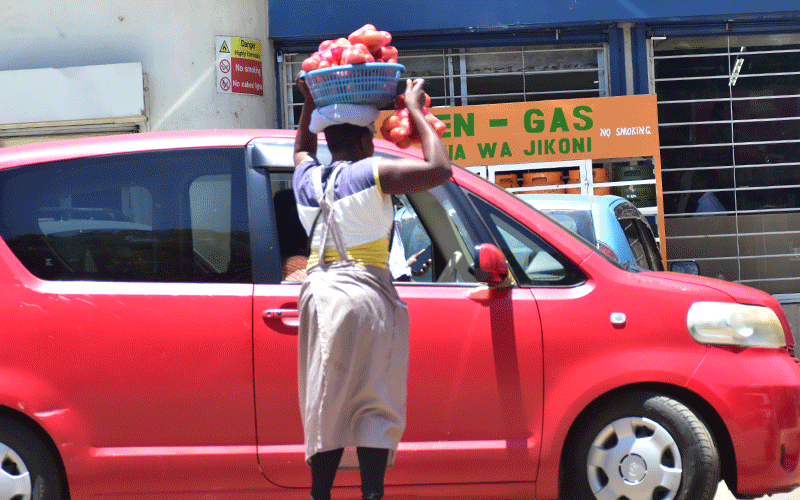
As the budget is presented, many Kenyans will be aching to know if there are any plans to soften the impact of the soaring cost of living on households and also to help keep prices of essential commodities stable, as opposed to fuel.
Cost of living
The report confirms some of the government’s assertions but also points to an ongoing squeeze on household incomes as living costs remain high.
Kenyans might have to brace themselves for more hardships as Treasury CS John Mbadi presents the Ksh 4.8 trillion budget, which could involve tax rate hikes, subsidy cuts, and a continued rise in the cost of basic goods and services.
Author
Latest News








Advertisement
More on Insights