Advertisement
Can Sifuna and Natembeya revive the Muliro-Kijana legacy in Western Kenya?
Monday 23rd February, 2026 07:40 AM|

Western Kenya is witnessing what many observers describe as a political reawakening, marked by high-profile engagements between the embattled Orange Democratic Movement (ODM) Secretary General, Edwin Sifuna, and the Trans Nzoia Governor, George Natembeya.
The encounter, far from routine, has stirred excitement across the region and triggered comparisons to the golden era of Masinde Muliro and Michael Wamalwa Kijana.
For nearly two decades since Wamalwa died in 2003, Western Kenya’s politics have revolved around the elusive quest for Luhya unity.
That unity, often brokered through elder-driven negotiated democracy, repeatedly collapsed at the national ballot. Instead of consolidating influence, the region became fragmented into political fiefdoms, with leaders accused of trading communal interests for personal survival in shifting national coalitions.
You Might Also Like


The Sifuna-Natembeya axis is being viewed as a break from that script. The optics of two relatively young leaders strategising ahead of 2027 signal a generational shift. Their growing popularity suggests a hunger for ideological clarity and issue-based politics, rather than ethnic arithmetic and transactional alliances.
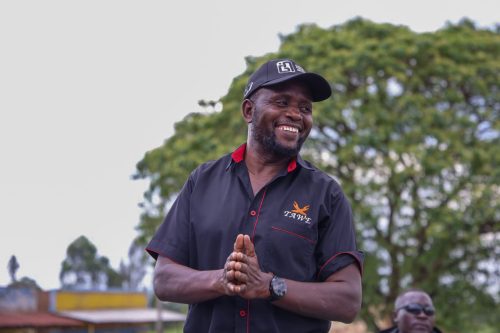
Natembeya’s now-famous Tawe slogan, meaning NO, has evolved into what supporters call a movement. Coined as a rejection of old-guard dominance, Tawe is both a rallying cry and a political statement.
When Natembeya says Tawe, he frames it as resistance to entrenched systems that perpetuate poverty and dependency. His style, shaped by years in public administration, contrasts with what critics describe as the cautious tone of many regional veterans.
‘Sisi ndio Sifuna‘ movement
Sifuna, on the other hand, has built his profile through combative oversight and sharp debate in the Senate.
As Nairobi Senator, he occupies one of the country’s most visible devolved legislative platforms. His allies describe him as articulate and fearless, an aspiration bearer for a generation that demands accountability.
The parallels to Muliro and Wamalwa are deliberate. Muliro’s politics was defined by principled defiance, while Wamalwa blended eloquence with strategic charm to place Western Kenya at the heart of government in 2002.

Natembeya embodies the Muliro Bravery, openly challenging what he calls the region’s Kings, while Sifuna channels the Wamalwa articulation, translating complex national debates into accessible language.
Kabuchai MP Majimbo Kalasinga has publicly called for a fresh breath in Western politics, praising Natembeya as the figure capable of reclaiming the community’s dignity from political brokers.
His recent alignment with Sifuna and Embakasi East MP Babu Owino signals an attempt to consolidate what supporters term the bloc of youthful professionals.
Western agenda
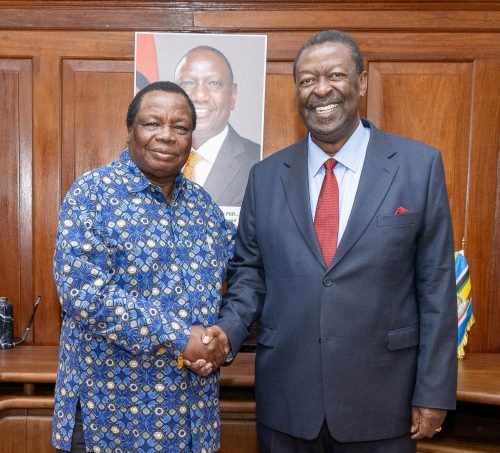
The region’s ageing power brokers, including long-serving figures such as Central Organisation of Trade Unions (COTU) Secretary General Francis Atwoli, still command influence.
But the conversation is shifting from who is the Luhya kingpin? What is the Luhya agenda?
If the Muliro–Wamalwa era represented courage fused with intellect, the Sifuna–Natembeya partnership seeks to revive that formula for a digital, restless generation.
Whether it matures into a cohesive national force or fades into the region’s history of aborted alliances will depend on discipline, delivery and the ability to convert rhetoric into votes.
Author
Latest News



Advertisement
More on Insights