Advertisement
Sossion wants voting age lowered to 16, cites global examples
Monday 06th October, 2025 10:33 AM|
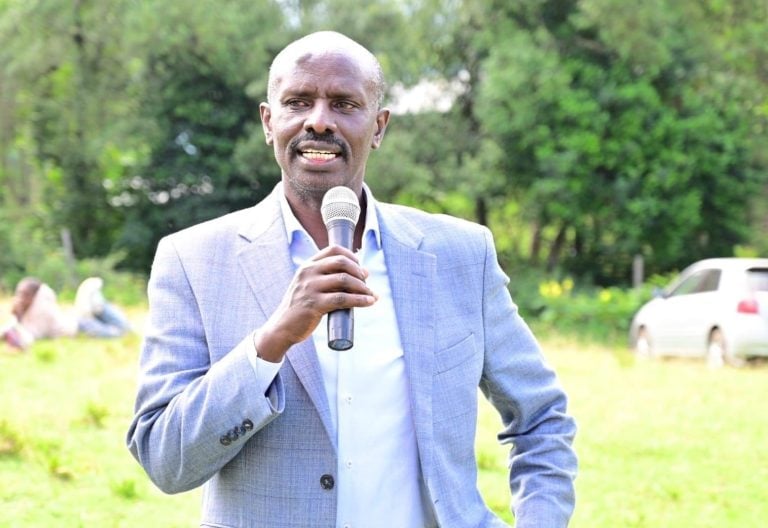
Wilson Sossion, former Kenya National Union of Teachers (KNUT) Secretary General, has urged reforms to Kenya’s electoral system, advocating for a lower voting age and expanded registration opportunities.
Speaking on a local TV station, Sossion said, “In the UK, the voting age has been lowered to 16, and in the US, citizens can register even on polling day.”
He emphasised the competence of the Independent Electoral and Boundaries Commission (IEBC), noting, “As a country, we have an IEBC that has maintained very good records over the years.”
Low voter registration raises concerns
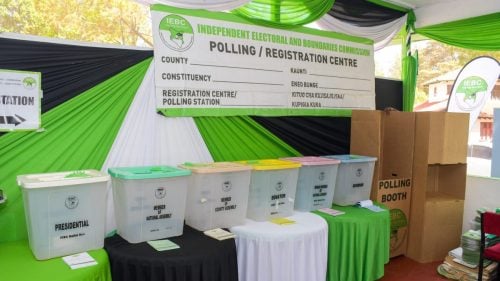
Sossion’s call comes amid low voter registration, with only 7,048 new voters recorded by October 2, 2025, against a target of 6.3 million.
You Might Also Like


Regional disparities persist, with Trans Nzoia County registering only 71 new voters, prompting Governor George Natembeya to lament, “Watu ambao wameregister Trans Nzoia mzima kama wapiga kura ni 71; niliona nikatoa machozi.”
Sossion linked the need for broader electoral participation to the ongoing youth protests, warning that political activism without voter registration has a limited impact.
Political unity
Makueni Senator Dan Maanzo reinforced Sossion’s message, urging young people to prioritise electoral participation.
“I want to urge young people to register as voters. Taking part in demonstrations without an ID is a waste of time; real change comes through the ballot,” he said, highlighting the importance of timely identity card issuance.
Maanzo added, “The way the youths organised themselves to maandamano, that is the same spirit they should use to organise themselves in the same way and go register as voters.” Sossion also called for political groups to present cohesive national agendas, stating, “Any political grouping must have a clear agenda that unites all Kenyans and gives them hope,” while criticising the opposition’s focus on “hatred for President Ruto and greed for power” without alternatives.
He further underscored systemic concerns in education, noting, “CDF funds 90% of education, so it’s unacceptable that in 2025 we still have such classrooms in Kenya. It’s time as a country we pause and audit the state of our school infrastructure, identify the gaps, and implement the right interventions to ensure quality classrooms for all learners.”
Author
Latest News






Advertisement
More on Inside Politics