Advertisement
Senate grill Bungoma governor Lusaka over financial lapses
Thursday 29th January, 2026 04:03 PM|
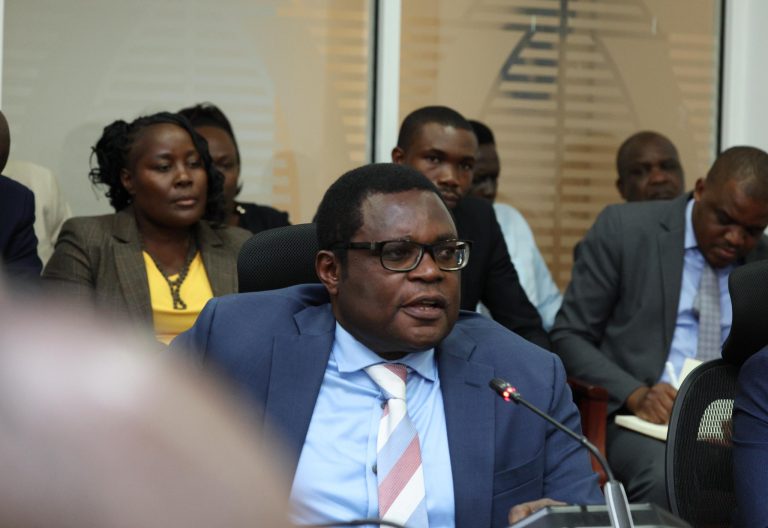
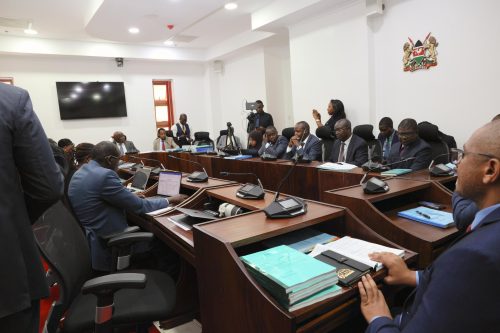
The Senate County Public Investments and Special Funds Committee has grilled Bungoma County Governor Ken Lusaka over the fiduciary integrity of the county’s municipal and water entities.
During a session chaired by committee chairperson Godfrey Osotsi, senators raised concerns over the financial reporting of the Bungoma Water and Sewerage Company (BWASCO), which reflected assets totalling more than KSh128 million from periods before the company was legally incorporated.
Additionally, the water firm reported a staggering 52 per cent Non-Revenue Water (NRW) loss—more than double the national benchmark.
“It is inconceivable that a public entity would report millions in transactions and assets months before its date of incorporation. This suggests a complete breakdown of internal controls and raises concerns over illegal asset transfers from entities without proper agreements,” Osotsi said.
You Might Also Like

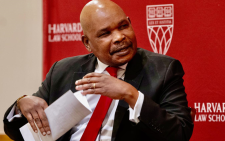
Appearing before the committee, Governor Kenneth Lusaka was compelled to explain systemic accounting variances and legal breaches across Bungoma Municipality, Kimilili Municipality, and the newly formed BWASCO Water and Sewerage Company.
In his submission to the committee, Bungoma Senator David Wakoli noted that the county government was fully liable, linking the financial lapses to the continued lack of operational autonomy for the municipalities, which remain under the control of the county boss.
“The law is clear that these municipalities should be bodies corporate, yet we see the Governor’s office still managing their functions and bank accounts,” Wakoli said.
In response, Lusaka defended the management of the water utility, citing the transition from the defunct Nzoia Water Services Company, which he said created a gap in the management of the facilities.
“The assets and bank accounts were inherited from the defunct and de-clustered former water company following a task force recommendation,” Lusaka told the committee.
He further noted that the county has since constituted a Public Service Board to competitively recruit substantive managers, bringing to an end the era of acting appointments that had undermined institutional stability.
Author
Latest News


Advertisement
More on Inside Politics