Advertisement
Salasya questions G-to-G fuel deal as prices remain high
Wednesday 15th April, 2026 08:05 AM|

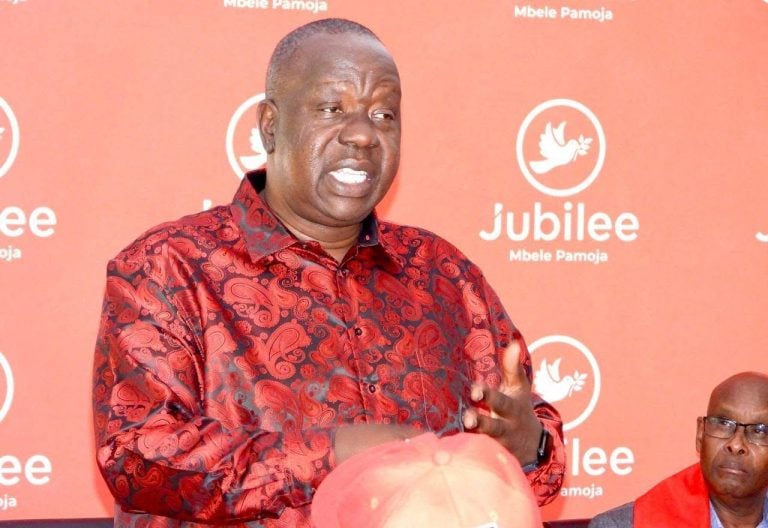
Mumias East Member of Parliament Peter Salasya has raised concerns over the transparency and fairness of fuel pricing in Kenya.
The lawmaker has questioned the effectiveness of the government’s fuel import arrangement.
In a statement on his X account on Tuesday, April 14, 2026, Salasya stated that the government-to-government (G-to-G) fuel deal had been introduced as a measure to ease pressure on the Kenyan shilling and reduce fuel costs.
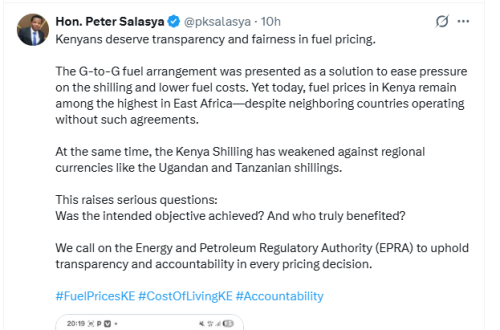
He, however, argued that the expected benefits have not been realised, with fuel prices in Kenya remaining among the highest in the East African region.
You Might Also Like


“Kenyans deserve transparency and fairness in fuel pricing. The G-to-G fuel arrangement was presented as a solution to ease pressure on the shilling and lower fuel costs. Yet today, fuel prices in Kenya remain among the highest in East Africa, despite neighbouring countries operating without such agreements,” Salasya said.
The lawmaker’s remarks come amid the sharp increase in fuel prices in the country for the April 15 to May 14, 2026, cycle.
However, the price of kerosene remains unchanged during the review period.
“In the period under review, the maximum allowed petroleum pump prices for Super Petrol and Diesel increased by Kshs. 28.69/litre and Kshs.40.30/litre respectively, while the price of Kerosene remained unchanged,” EPRA noted.
G to G in East African countries
Salasya has also pointed out that neighbouring countries, which do not operate under similar agreements, are recording relatively lower fuel prices, raising doubts about the success of the policy.

The legislator also expressed concern over the performance of the local currency, saying the Kenyan shilling has continued to weaken against regional counterparts such as the Ugandan and Tanzanian shillings.
“At the same time, the Kenyan shilling has weakened against regional currencies like the Ugandan and Tanzanian shillings. This raises serious questions: Was the intended objective achieved? And who truly benefited?” Salasya noted.
The G to G deal
In a statement on Sunday, April 5, 2026, Wandayi said the G-to-G framework delivered petrol at a significantly lower cost than a recent emergency shipment now under investigation.
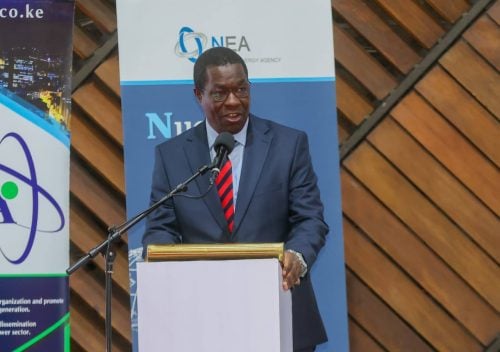
“For the record, invoices issued by One Petroleum for PMS ex MT Paloma show a price landed in-tank Mombasa of Ksh198,855 per metric ton,” he said. “By comparison, invoices from Gulf Energy for the G-to-G PMS ex MT FOS Mercury show a landed price of Ksh140,111 per metric ton.”
“This difference of Ksh58,744 per metric ton between the One Petroleum cargo and the G-to-G cargo works out to Ksh43.4 per litre, with the G-to-G cargo being cheaper by that amount.”
Author
Emmanuel Rono
Rono is a dynamic digital journalist with a proven track record in newsroom leadership and content creation. Currently a Digital Writer for People Daily Digital, Emmanuel’s career is rooted in a lifelong passion for storytelling.
View all posts by Emmanuel RonoLatest News







Advertisement
More on Inside Politics