Advertisement
Ruth Odinga: Mbadi left ODM leadership the day he was appointed CS
Sunday 31st May, 2026 12:27 AM|

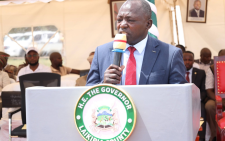
Tensions within the Orange Democratic Movement (ODM) have intensified after Kisumu politician Ruth Odinga accused Treasury Cabinet Secretary John Mbadi of overstepping party boundaries, reigniting debate on the relationship between government appointments and internal party leadership.
The controversy follows Mbadi’s public remarks in Mombasa where he criticised Ruth Odinga and dismissed suggestions that her family connection to former ODM leader Raila Odinga gives her authority to influence party direction.
He further argued that ODM is a national party that should not be treated as belonging to any single region or political household, urging members to focus on its future beyond the Raila era.
But now, in an interview on a local TV station on Saturday, May 30, 2026, Ruth Odinga defended her position while questioning Mbadi’s continued involvement in ODM affairs after joining Cabinet.
You Might Also Like



She suggested that leaders appointed to government positions had previously agreed to step back from active party roles to maintain clear institutional boundaries.
“The performance of the CS as we are speaking is an issue that I would say I would want to know more about at a later issue on his, but his performance on coming into the involvement of the party issues,” she said, adding that the dispute for her was less about government performance and more about internal party conduct.
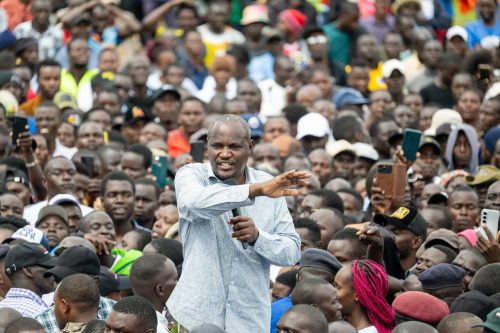
Ruth emphasised that ODM had already established an internal structure for managing leadership changes when members transitioned into government service.
“We clearly did say that they left, and that is how the party leader went as experts to support the government as experts from the ODM party, and they relinquished their seats in the party,” she explained, noting that such arrangements had created space for new party officials to assume roles previously held by Cabinet appointees.
She further pointed to her own rise within the party hierarchy following those changes.
“That’s how some of us, even myself, became a deputy organising secretary when we were now relieved of our roles,” she said.
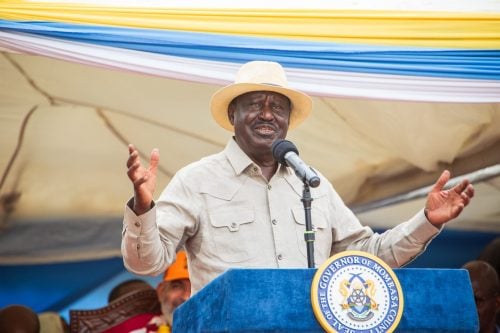
Key to her concerns is what she terms role confusion between serving in government and participating in party politics. Ruth argued that continued involvement of Mbadi in internal party disputes risks undermining established party organs and disciplinary systems.
“Now, when he comes back and starts being part of the ODM party to the extent of castigating us and ordering us around in the party, I find that a bit difficult,” she said, warning against what she views as blurred lines between state office and party authority.
She insisted that ODM already has mechanisms to handle internal disputes without public confrontation or external pressure.
“We have party organs and party disciplinary organs that could even castigate and say, Ruth, you’re disrespectful, and therefore for this you feel this is what should be done to you,” she said.
Ruth also rejected what she described as personal attacks, maintaining that her remarks were motivated by concerns over unity and proper governance within the party rather than individual disagreements.
“I’m very keen on that one, on the issue of whether you know you cannot also mix issues about what we directly ask him to do as his role,” she said, reinforcing her call for clearer separation between government duties and party responsibilities.
Author
Latest News







Advertisement
More on Inside Politics