Advertisement
Orengo explains why ODM-UDA State House meeting was flawed
Wednesday 06th May, 2026 09:29 AM|

Siaya Governor James Orengo has criticised a high-level consultative meeting between the Orange Democratic Movement (ODM) and President William Ruto’s United Democratic Alliance (UDA), saying the talks exposed deep imbalance and a lack of political equality between the two sides.
In an interview with K24 TV on Wednesday, May 6, 2026, Orengo described the engagement as fundamentally flawed, arguing that it failed to meet the standards of a fair political negotiation between equals.
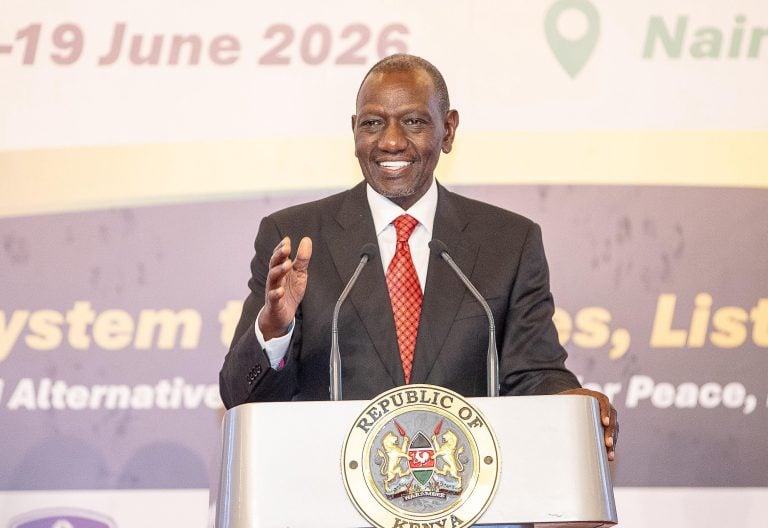
“The meeting, I think it was disastrous. It meant that the equality of arms, the parity between the two parties, was no longer there. It was like the president was presiding over the proceedings of a party organ,” Orengo.
His remarks come at a time when ODM and UDA are attempting to publicly project unity while privately negotiating a possible political arrangement ahead of the 2027 general elections.
You Might Also Like

The Thursday, April 23, 2026, meeting, which included Ruto, ODM’s Oburu Oginga, senior party officials, and top government figures, was expected to focus on strengthening cooperation between the two parties.
However, it quickly became a battleground over political zoning and grassroots influence.
The tension was ODM’s push for informal zoning arrangements that would protect each party’s traditional strongholds as discussions toward a future coalition continue.
Zoning fiasco
ODM leaders are said to have raised concerns that UDA’s aggressive grassroots mobilisation strategy, especially in Nyanza, Western, and Coast regions, could destabilise fragile political trust.
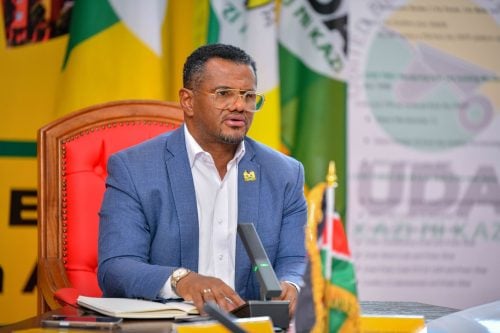
UDA, on the other hand, maintained its position that it has the right to expand nationally, including into areas historically dominated by the opposition.
Despite the reported friction, a joint statement issued after the meeting by President Ruto and Oburu Oginga presented a more optimistic tone.
“The meeting focused on strengthening collaboration and exploring areas of mutual interest between the two parties,” the statement read.
The two sides also agreed to establish a Broad-based Management Committee comprising party leaders, selected Cabinet Secretaries, and parliamentary leadership to coordinate legislative and executive priorities.
“The two party leaders agreed to establish a Broad-based Management Committee comprising the party leaders, selected Cabinet Ministers, and the Majority and Minority Leaders in Parliament,” the statement added.
According to the agreement, the committee will streamline policy coordination and ensure efficiency in delivering government programs.
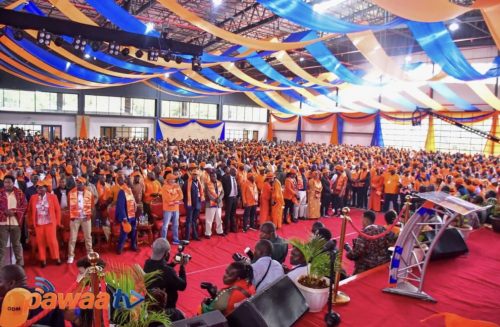
Internal tensions and hardline positions
However, beneath the public show of unity, internal disagreements were evident. UDA Secretary General Hassan Omar’s firm stance that the ruling party will field candidates across all regions reportedly heightened tensions during the discussions.
Omar’s position directly clashes with ODM’s call for mutual political restraint, with some ODM officials questioning whether such an approach undermines ongoing cooperation talks.
The situation was further complicated by recent accusations from ODM leadership, including claims that UDA officials, among them Omar and Senate Speaker Amason Kingi, had shown disrespect toward the party.
“These ongoing engagements are intended to build consensus on priority issues and lay the foundation for a formal coalition of equals between UDA and ODM,” ODM explained.
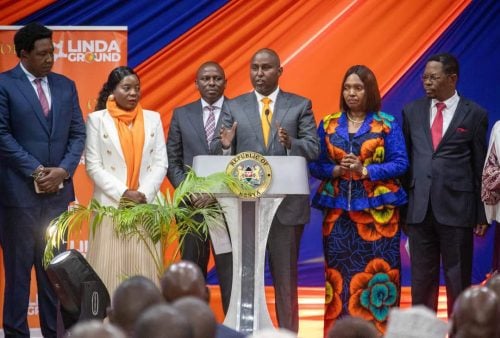
While ODM appears determined to protect its traditional strongholds through this mechanism, UDA leaders are pushing back, arguing for open competition across all constituencies.
The SDC, held on Friday, March 27, 2026, at Jamhuri Grounds, brought together ODM delegates and top leadership to chart the party’s future direction. It is here that National Assembly Minority Leader Junet Mohamed delivered a firm message: ODM will not compromise on its parliamentary strength in any negotiations.
“We want to increase our numbers in the next General Election from what we have today. We want to tell any party that we are associating with that our parliamentary numbers are not negotiable. We can negotiate on anything but not our parliamentary strength,” Junet declared.
His remarks follow ODM’s broader strategy to enter any coalition arrangement from a position of numerical strength.
Junet also emphasised party discipline, warning members against undermining decisions made by internal organs.
“I want to urge our members and leaders, once the party organs have made a decision, please abide by those decisions. This is how we can be a party of rules and a party of the constitution,” he said.
Author
Latest News
Advertisement
More on Inside Politics