Advertisement
Salasya questions Ruto’s promise to fully fund university and college students
Thursday 23rd July, 2026 05:23 PM|

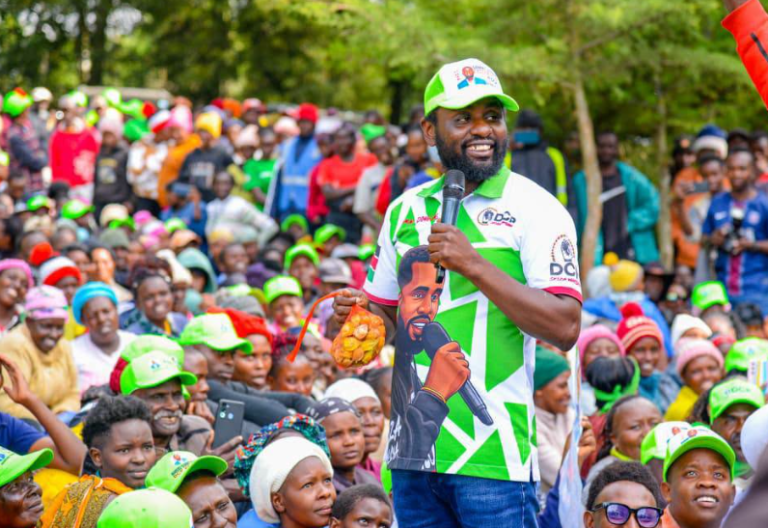
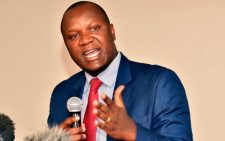
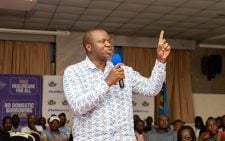
Mumias East Member of Parliament (MP) Peter Salasya has challenged President William Ruto’s promise to fully fund all students admitted to universities and colleges, questioning where the money for the proposed programme will come from.
Responding to the President’s announcement on the higher education funding model on Thursday, July 23, 2026, Salasya questioned whether the funds had been included in the 2026/2027 national budget.
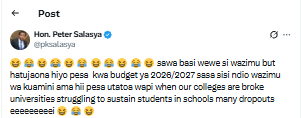
“Sawa basi wewe si wazimu but hatujaona hiyo pesa kwa budget ya 2026/2027 sasa sisi ndio wazimu wa kuamini ama hii pesa utatoa wapi when our colleges are broke universities struggling to sustain students in schools many dropouts,” Salasya said.
His remarks came after Ruto announced that every Kenyan student who qualifies for admission to a university or college would receive full government funding.
Ruto promises full funding for students
You Might Also Like

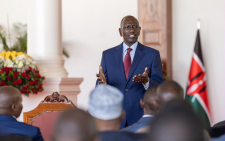
Speaking on Tuesday, July 21, 2026, Ruto said admission to a university or college would be the only requirement for government sponsorship.
“Going forward, any student, so long as they have passed their examinations and they have been placed in a college or university, will get full funding for their higher education. It will be the choice for parents if they want to pay,” Ruto said.
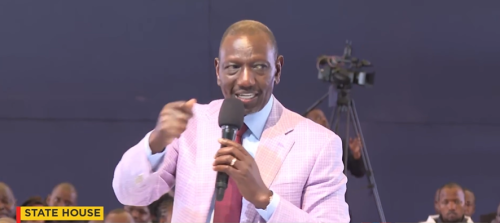
The President said the proposal would remove the requirement for parents to make household contributions before their children can access higher education.
HELB law changes proposed
Ruto also urged Parliament to fast-track amendments to the Higher Education Loans Board (HELB) Act before the September university intake.
He said the proposed changes would ensure that students admitted to competitive courses such as medicine are not denied an opportunity to study because their parents cannot afford the required household contribution.
“I want to implore Parliament to expedite amendments to the Higher Education Loans Board so that beginning September we can make sure that any child who qualifies for medicine does not fail to study medicine because their parents cannot afford to pay the household contribution,” he said.
The President’s proposal is expected to trigger further debate over the sustainability and financing of higher education as universities and colleges continue to face financial challenges.
Salasya’s remarks also add to growing scrutiny over how the government would fund the proposed universal sponsorship programme and whether the necessary legal and budgetary changes will be made before the policy takes effect.
Author
Latest News

Advertisement
More on Inside Politics