Advertisement
ODM faction announces People’s Report on status of 10-Point Agenda
Tuesday 10th March, 2026 11:46 AM|

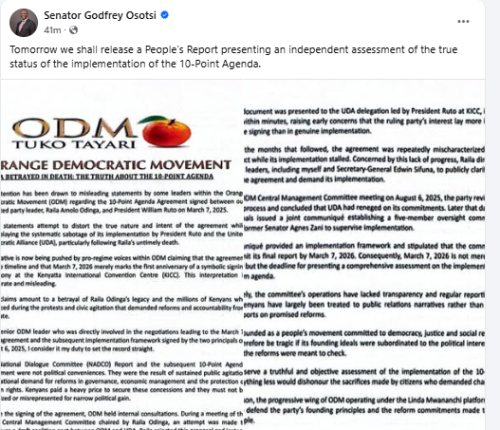
The reformist faction within the Orange Democratic Movement (ODM) has announced plans to release an independent report assessing the implementation of the 10-Point Agenda agreed between the late party leader Raila Odinga and President William Ruto.
ODM’s Deputy Party Leader Godfrey Osotsi, in a Facebook statement on Tuesday, March 10, 2026, said the progressive wing that is operating under Linda Mwananchi’s platform will publish a People’s Report detailing the true status of the reform commitments made to Kenyans under the agreement signed on March 7, 2025.
“Tomorrow (March 11) we shall release a People’s Report presenting an independent assessment of the true status of the implementation of the 10-Point Agenda,” Osotsi said.
He added that the move is aimed at defending ODM’s founding principles and the reform promises made to citizens.
You Might Also Like
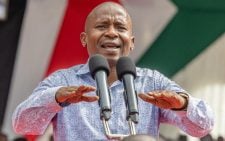
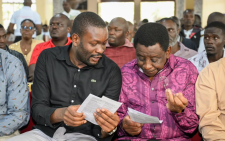

The ODM Deputy Party Leader said Kenyans deserved a truthful and objective account of how far the reforms agreed under the National Dialogue Committee (NADCO) framework had progressed.
He warned that anything short of transparency would betray the sacrifices made by citizens who pushed for political and economic reforms.
Osotsi accused some leaders within ODM of spreading misleading narratives about the agreement, particularly claims that the pact had no implementation timeline and that March 7, 2026, merely marks the anniversary of a symbolic signing ceremony.
NADCO quagmire?
The senator said the interpretation was inaccurate and risked undermining the reform agenda that emerged from the NADCO process and the nationwide protests that demanded governance reforms and economic accountability.
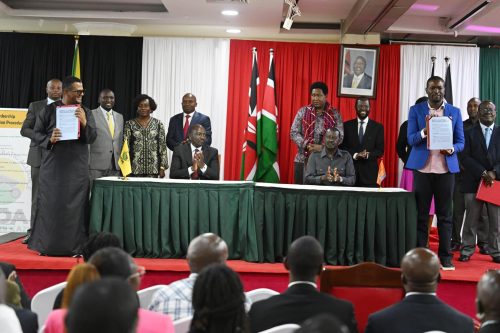
He maintained that the agreement signed at the Kenyatta International Convention Centre (KICC) was not a ceremonial political gesture but a product of sustained public agitation and negotiations aimed at addressing governance challenges, economic hardship and the protection of human rights.
Osotsi said he was directly involved in negotiations leading to the March 2025 agreement as well as the subsequent implementation framework signed by the two principals on August 6, 2025.
He revealed that before the agreement was signed, ODM held internal consultations during which a proposal was floated to transform the engagement into a coalition pact between ODM and the ruling United Democratic Alliance (UDA).

However, he said Odinga rejected the proposal, insisting that the engagement with President Ruto should focus strictly on reforms rather than a political coalition arrangement.
The senator further disclosed that the ODM Central Management Committee later concluded that the government had failed to honour several commitments under the reform framework, prompting the establishment of a five-member oversight team to monitor implementation.
Despite this framework, Osotsi said the public had largely been fed with public relations narratives rather than clear and consistent updates on the progress of the reform agenda.
He warned that attempts to downplay the commitments made under the agreement risked eroding the ideals upon which ODM was founded.
“The National Dialogue Committee report and the subsequent 10-Point Agenda Agreement were not political conveniences. They were the result of sustained public agitation and national demand for reforms,” he said.
Osotsi maintained that Kenyans paid a heavy price to secure the concessions and insisted that the commitments must not be trivialised or misrepresented for narrow political gain.
He said the forthcoming People’s Report would provide what he described as an honest and independent account of the progress, or lack thereof, in implementing the reforms that followed the Raila-Ruto engagement.
Author
Latest News

Advertisement
More on Inside Politics