Advertisement
MP Stephen Mule claims private firms hijacked oil imports in G-to-G deal
Tuesday 26th May, 2026 07:38 AM|
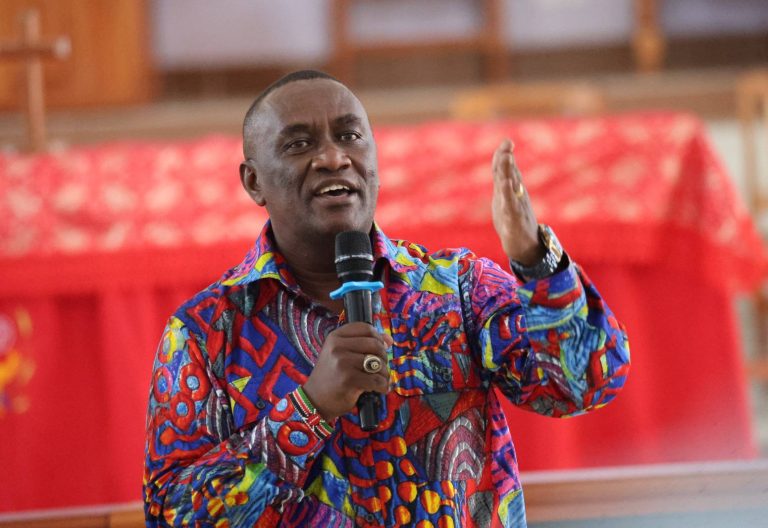
Matungulu Member of Parliament (MP) Stephen Mule has launched a scathing attack on the government’s controversial government-to-government (G-to-G) fuel import arrangement.
Speaking during an interview with a local TV station on the night of Monday, May 25, 2026, Mule claimed that private companies have hijacked the system while Kenyans continue to suffer under a fuel crisis.
He questioned the legitimacy of the G-to-G model, arguing that the arrangement no longer reflects a true state-to-state agreement as initially presented by the government.
“If they are serious about G-to-G, we will not be in the crisis we are in,” Mule said.
You Might Also Like


The lawmaker explained that a genuine G-to-G agreement should involve direct trade between state-owned entities from both countries.
“G-to-G means that a company owned by the Saudi government trades with a company owned by the Kenyan government, like the National Oil Corporation. Is that the case? No,” he stated.
Mule further claimed that private firms had taken over the oil importation process under the guise of a government-backed arrangement.
“Here in Kenya, what is called G-to-G involves private entities. When did they become government entities?” he posed.
Market locked
The MP further argued that the current arrangement had effectively locked out other players from freely importing fuel, creating an unhealthy monopoly in the sector.
“G-to-G has locked out the market for free fuel imports, so we are on our own,” he said.
In a sharp jab at the government, Mule accused officials of misleading Kenyans over the success of the fuel deal.
“The government should stop lying to Kenyans that they have done something magical,” he added.
Government defends G-to-G framework
The government has consistently defended the G-to-G framework, maintaining that it has helped ease pressure on Kenya’s foreign exchange reserves and ensured a steady supply of petroleum products.
However, critics have continued to question the opacity of the deal, the involvement of select oil marketers, and its long-term impact on competition within the energy sector.
Energy Cabinet Secretary Opiyo Wandayi is among the state officials who have defended the government-to-government (G-to-G) fuel importation framework.
Speaking on Saturday, May 16, 2026, Wandayi dismissed former deputy president Rigathi Gachagua’s recent criticism of the fuel importation deal and challenged him to direct any concerns about fuel and electricity to the Energy Ministry instead of repeatedly mentioning President William Ruto.
“Wewe bwana Wamunyoro. Ulishindwa kazi, na ikalazimishwa bunge ikufukuze kazi,” Wandayi said during a public address.
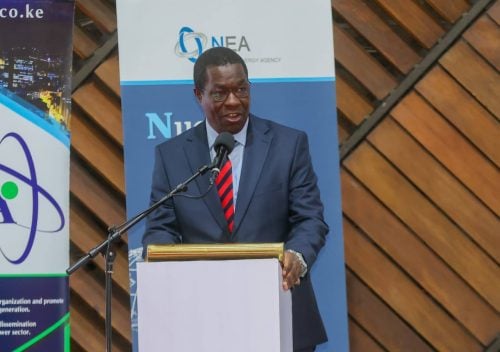
The Energy CS said he was ready to respond to claims made by Gachagua concerning the petroleum sector.
“I’m the Cabinet Secretary in charge of energy and petroleum. Kama ako na issues concerning this docket, he should face me,” Wandayi said.
He also reminded Gachagua that the G-to-G framework was introduced in 2023 when he was still Deputy President and actively supported the arrangement at the time.
“Hii mambo ya government-to-government framework haikuanzishwa jana. Ilianzishwa 2023, wakati bwana Wamunyoro alikuwa deputy president,” Wandayi said.
According to the CS, Gachagua even took part in receiving the first fuel shipment imported under the arrangement at the Port of Mombasa.
“Na yeye ndiye alikuwa katika mstari wa mbele kwenda kupokea meli ya kwanza ya mafuta under G2G framework kule Mombasa. Inakuwaje sasa G2G ni mbaya?” he posed.
Author
Mustafa Juma
View all posts by Mustafa JumaLatest News







Advertisement
More on Inside Politics