Advertisement
Gachagua claims G-to-G oil scheme benefits private firms tied to Ruto
Monday 20th April, 2026 03:15 PM|

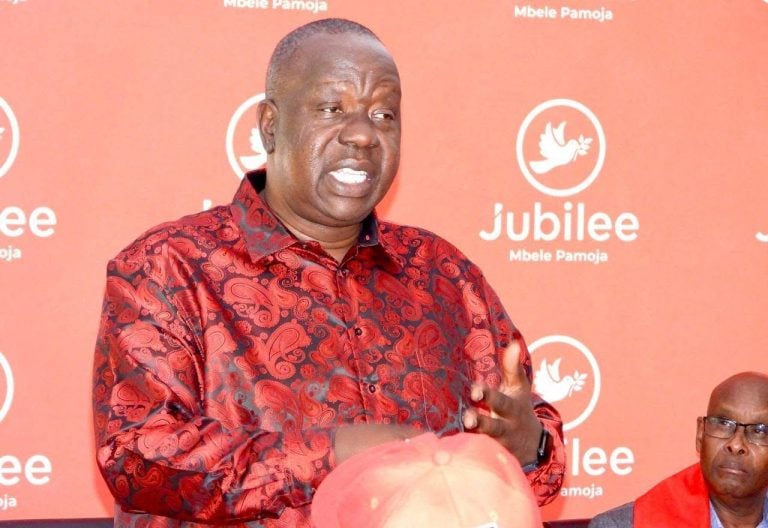
Former Deputy President Rigathi Gachagua has dismissed the current Government-to-Government (G-to-G) oil importation scheme as a facade for private interests, re-labelling it Government to Ruto.
Speaking at the Democratic for the Citizens Party (DCP) headquarters on Monday, April 20, 2026, Gachagua stated that while the Middle Eastern entities involved in the deal are state-owned, the Kenyan companies handling the fuel are private enterprises, which he said are linked to President William Ruto.
He stressed that the nation’s fuel crisis is not driven by international conflicts, such as tensions between the US and Iran, but is instead a direct result of state capture and conflict of interest.

“We are told there is something called G2G. G2G means government-to-government. There is nothing like that. In the Middle East, we have three companies owned by the governments of those countries. But in Kenya, the companies that are doing business on fuel are not owned by the government; they are private companies,” Gachagua stated.
You Might Also Like



“That is why we want the scheme to be changed from G to G to G to R, that is, government to Ruto, because those are his companies.”
New deal aimed for profit
According to Gachagua, recent fuel price increases were not accidental but were negotiated in Dubai by representatives acting on behalf of the President.
He alleged that these price hikes were specifically designed to factor in profits for the President and his associates.

“I had advanced information that the prices would go up to 40 shillings. I say that 3 weeks ago, and the day the changes were announced, 40 shillings it was. These prices were agreed on in Dubai,” Gachagua stated.
He added, “All those price increases are to factor in and take care of profit to William Ruto and his people.”
Govt defending G-to-G deal
Government Spokesperson Isaac Mwaura came to the defence of the Government-to-Government (G-to-G) fuel importation model as a major policy change that has brought sanity to the fuel supply system in Kenya since the 2022 crisis.
In a statement on the X handle, the government spokesperson on Friday, April 17, 2026, reiterated its press release made on Thursday, April 16, 2026, in which Mwaura claimed that the old spot-market layout exposed the nation to exploitation by a group of oil traders, which created artificial scarcity as well as strain on the foreign exchange.
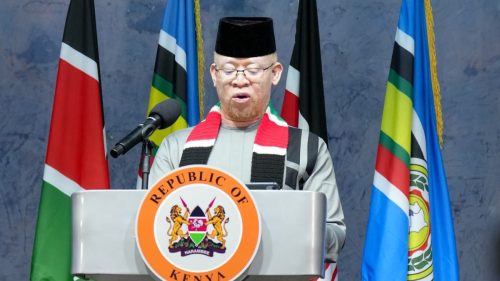
“Speaking on the issue of fuel prices in the country, government spokesperson Isaac Mwaura said Kenyans will benefit through stable prices and a reduction in market fraud through the G-to-G Fuel Program,” the government spokesperson’s statement read.
Author
Emmanuel Rono
Rono is a dynamic digital journalist with a proven track record in newsroom leadership and content creation. Currently a Digital Writer for People Daily Digital, Emmanuel’s career is rooted in a lifelong passion for storytelling.
View all posts by Emmanuel RonoLatest News






Advertisement
More on Inside Politics