Advertisement
Morara Kebaso calls for civic education to address rural voting patterns in Kenya
Friday 16th January, 2026 07:25 AM|

Human rights activist Morara Kebaso has urged intensified civic education to change rural voting patterns in Kenya, warning that without such efforts, rural voters could continue to shape governance and economic outcomes for generations.
In an X post dated January 15, 2026, Kebaso highlighted a recurring challenge across developing nations.
“I have come to notice that in 3rd world countries, rural voters are the obstacle to change,” he stated.
Morara noted that in Bangladesh, Generation Z wisely formed a citizens’ party, achieving significant success in urban areas. However, he observed, rural voters remained a challenge, highlighting a common pattern across countries where entrenched local loyalties often shape political outcomes.
You Might Also Like
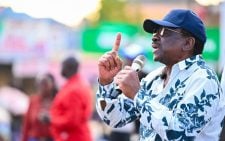

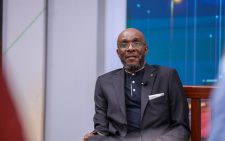
“In Kenya, when the GenZ were hot on Ruto’s heels, he started tours in rural villages. Unless we fix the rural voter through civic education, they will determine the quality of our governance and economy for a long time to come, and we will be helpless,” he wrote.

He explained that Kenya faces a similar dynamic. When Gen Z started gaining political momentum, President William Ruto responded with tours in rural villages, recognizing that rural voters still hold decisive influence over national elections.
Morara emphasised that without deliberate engagement, the rural electorate could continue to determine political outcomes, often based on limited information or traditional loyalties.
Morara stressed that civic education is key. By empowering rural communities with knowledge about governance, policies, and their rights, Kenya can ensure that voters make informed choices.
He warned that failing to do so risks leaving the country’s governance, economic development, and future largely shaped by chance, short-term loyalties, or populist manipulation.
Voter responsibility and leadership quality
Kebaso’s remarks build on his long-standing advocacy for voter awareness, emphasizing that citizens bear responsibility for the leaders they elect. In a December 31, 2025 statement on X, he said politicians reflect the preferences of voters.
“Politicians do what the boss (the voters) want. If Gachagua weren’t tribal today, would he be popular? If Ruto hadn’t amassed billions through corruption, would he have won the presidency in a country where voters and their leaders want money? Lets talk development,” he said.
He argued that without targeted civic education in rural areas, where poverty, limited information access, and patronage networks dominate, Kenya risks stagnation.
“If we don’t fix the Kenyan voter, we are not going to Singapore,” Kebaso warned.
Author
Latest News



Advertisement
More on Inside Politics