Advertisement
Michael Agwanga: Ruto trusts allies like Farouk more than his own ministers
Monday 04th August, 2025 07:40 AM|
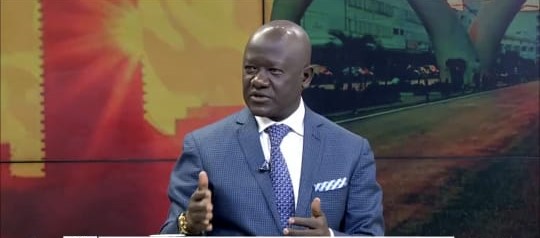
Governance consultant Michael Agwanga has raised fresh concerns about President William Ruto’s leadership style, accusing him of sidelining key Cabinet appointees and instead relying heavily on long-time loyalists, such as Farouk Kibet.
Speaking during a political talk show aired on K24 TV on Monday, August 4, 2025, Agwanga described a deepening trust deficit within the highest levels of government, one he says extends beyond public discontent to the President’s inner circle.
“The President is having quite a trust deficit not just within the electorate but also among his appointed leaders,” Agwanga said.
He referenced a past controversial remark by President Ruto, in which the Head of State asserted that he possessed more knowledge about certain ministries than the Cabinet Secretaries in charge of them. Agwanga questioned the rationale behind such a statement, suggesting it reveals deeper issues of confidence and competence within the Executive.
You Might Also Like
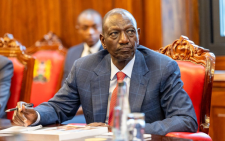
“President Ruto at one point said that he knows so much more than the ministers themselves in their ministries. Why did he say that? Is he having people that he employed, and they might not have the competency needed to be in those positions?” he posed.
Agwanga noted that President Ruto is increasingly relying on trusted political allies over formal institutional structures and designated office holders. He cited Farouk Kibet as a figure who, despite holding no Cabinet portfolio, continues to exert outsized influence behind the scenes.
“Instead of using Wetang’ula and Mudavadi in Malaba, he would rather have a trusted person who has been there for many, many years, that could be Farouk Kibet, who would tell him the truth,” Agwanga said.
He added that Farouk’s proximity to power is not just about loyalty, but about having the president’s ear in ways even seasoned leaders like Prime Cabinet Secretary Musalia Mudavadi and National Assembly Speaker Moses Wetang’ula may not.
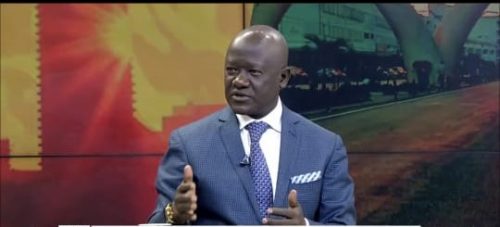
Agwanga also alluded to Dennis Itumbi, another close ally of Ruto, referencing the period during the political fallout with former President Uhuru Kenyatta.
“Take Itumbi close with Ruto, but we don’t know what he told him during his clash with Uhuru,” he said.
The remarks open a broader conversation on the President’s reliance on informal advisors, a dynamic that Agwanga say could weaken Cabinet cohesion and undermine the role of constitutionally established offices.
As the debate over loyalty, trust, and internal credibility intensifies, Agwanga’s remarks add to the mounting scrutiny of how President Ruto navigates the balance between personal loyalty and institutional governance within his administration.
Author
Latest News






Advertisement
More on Inside Politics