Makali Mulu warns MPs face brutal re-election odds amid intense scrutiny
By Aloys Michael, February 2, 2026Kitui Central Member of Parliament Makali Mulu has delivered a reality check to the legislators, warning that many are already staring at political defeat long before the 2027 General Election.
His remarks came in response to recent comments by National Assembly Speaker Moses Wetang’ula, who revealed that more than half of current MPs are unlikely to retain their seats.
With economic pressures biting and public scrutiny intensifying, lawmakers face an uphill task convincing voters they deserve another term.
Speaking during an interview on a local TV station on Monday, February 2, 2026, Mulu argued that the Speaker may have actually downplayed the severity of the situation.
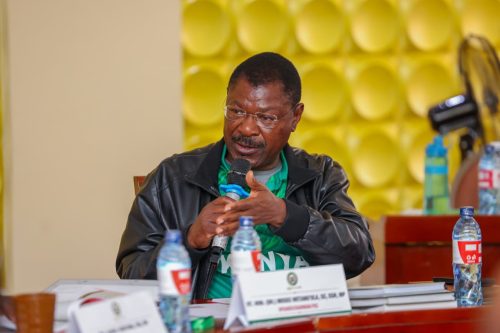
“Speaker Wetang’ula’s statement was an understatement. MPs are likely aware they will not be re-elected because statistics do not lie. Kenyan politics is highly competitive; fail to meet voters’ expectations, and they will kick you out,” he said.
Wetang’ula had told legislators during the 2026 National Assembly Legislative Retreat that actuarial and pensions data show an average attrition rate of 56 per cent.
According to the report, more than half of sitting MPs will not return to Parliament after the next election, a trend that has consistently defined Kenya’s volatile political landscape.
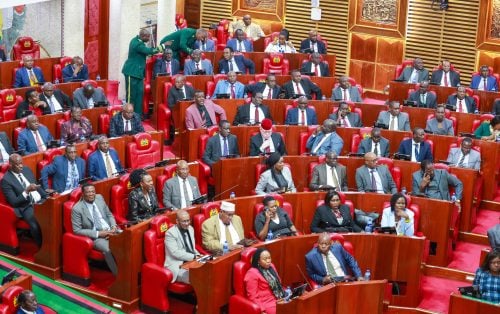
The Speaker used the findings to urge MPs to take pension planning seriously, warning that life after Parliament can be financially harsh, adding that many former legislators leave office with drastically reduced incomes, making the transition to private life difficult without proper savings and pension contributions.
“All legislators are required to contribute to the parliamentary pension scheme to safeguard their financial stability after leaving public office. Political attrition is unavoidable, and the consequence is exit from Parliament, which comes with diminished earnings,” Wetang’ula said.
MPs’ 2027 gamble scare
While Wetang’ula focused on financial preparedness, Mulu shifted the conversation to political accountability, suggesting that MPs themselves understand why re-election remains elusive for many: unmet promises, weak constituency engagement, and failure to deliver tangible development.
According to Mulu, Kenyan voters have grown increasingly assertive and informed, judging leaders by performance rather than party loyalty or campaign rhetoric.
With competitive primaries, strong independents, and rising civic awareness, incumbency is no longer a guarantee of survival at the ballot.
“Statistics do not lie,” Mulu emphasised, pointing to repeated election cycles where long-serving MPs have been unceremoniously voted out.
“Voters expect results. If you do not deliver, they replace you,” the MP stated.