Advertisement
Kenyans pay more, trust less: The crisis fueling street protests
Saturday 06th June, 2026 11:58 PM|

For millions of Kenyans, the question is no longer whether taxes are rising. The question is what they are getting in return.
Over the past three years, households have faced a growing burden of taxes, levies and mandatory deductions, even as the cost of living remains stubbornly high.
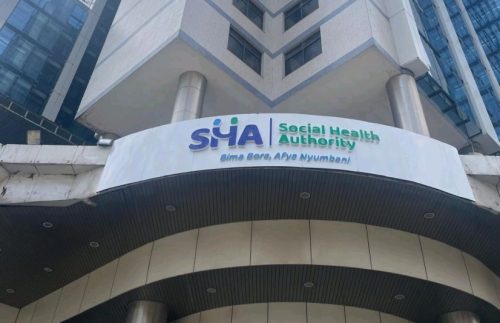
From the Housing Levy to increased National Social Security Fund (NSSF) contributions and new Social Health Insurance (SHIF) payments, many citizens say they are paying more to the government than ever before. Yet public trust in state institutions appears to be moving in the opposite direction.
That widening gap between taxation and trust is emerging as one of the defining political and economic challenges facing Kenya today.
You Might Also Like

According to Human Rights Watch’s World Report 2026, public anger over tax hikes, concerns about government spending, and perceptions of corruption were among the major drivers of continued protests throughout 2025.
The report notes that despite widespread demonstrations, authorities “failed to address entrenched corruption and misuse of public resources, further fueling public anger.”
The finding reinforces a growing sentiment among citizens who increasingly question whether additional taxes are translating into better public services, improved infrastructure or stronger social protection.
Tax burden keeps growing
Kenya’s tax-to-GDP ratio remains among the stronger performers in East Africa, reflecting the government’s aggressive efforts to mobilise domestic revenue.
Yet many households say those gains have come at a painful cost.
Food prices remain elevated, transport expenses continue to squeeze family budgets and unemployment remains a major concern, particularly among young people.
The African Development Bank’s 2026 African Economic Outlook notes that inflation across East Africa has cooled compared to previous years, but cost-of-living pressures continue to weigh heavily on households.
While macroeconomic indicators have shown signs of stabilisation, many citizens have yet to feel tangible improvements in their daily lives.
For young Kenyans entering the labour market, frustrations run deeper than economics alone. The country’s youthful population faces limited job opportunities, rising living costs and increasing deductions from already stretched incomes.
The result has been a growing disconnect between official economic narratives and public experience.
The transparency gap
Key to the crisis lies a question of accountability. Human Rights Watch reports that public concerns about government spending, transparency and service delivery helped sustain demonstrations throughout 2025.
Citizens increasingly demanded explanations about how public funds are managed and whether government programmes are delivering promised benefits.
The issue is not merely the amount of tax being collected but whether taxpayers can see measurable returns on their contributions.
Economists argue that tax compliance is closely linked to trust. When citizens believe public resources are being used efficiently and transparently, their willingness to pay taxes tends to increase. When corruption scandals dominate headlines and public services fail to improve, compliance becomes more difficult to sustain.
This dynamic has become particularly visible among Kenya’s digitally connected youth, many of whom have used social media platforms to scrutinise government budgets, procurement processes and public expenditure.

The emergence of online accountability campaigns has transformed public finance from a technical policy issue into a mainstream political debate.
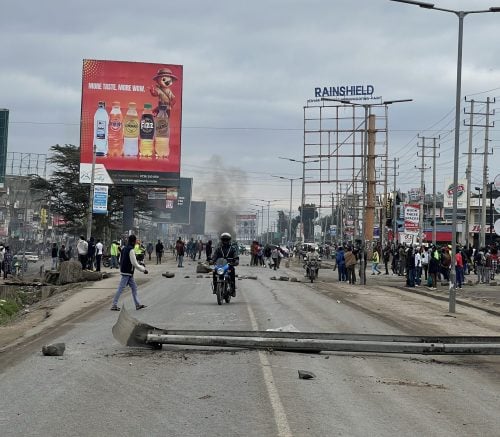
The protests that erupted across Kenya over the past two years were initially triggered by specific fiscal measures.
But the report observes that the demonstrations evolved into something much larger: a broader demand for accountability, transparency and responsive governance.
Human Rights Watch observed that frustrations over tax measures coincided with anger over corruption allegations and concerns about misuse of public resources.
For many protesters, the issue was not simply paying more tax. It was paying more while continuing to face inadequate services, unemployment and limited economic opportunities.
The challenge now facing policymakers is rebuilding public confidence.
Kenya’s development ambitions require strong domestic revenue collection. Major infrastructure projects, healthcare reforms and social protection programmes cannot be funded without taxes.
But sustainable revenue collection depends on public trust.
Author
Latest News




Advertisement
More on Inside Politics