Kalonzo: KHRC could have implemented UDA-ODM 10-point agenda
By Aloys Michael, February 22, 2026Wiper Patriotic Front leader Kalonzo Musyoka has intensified pressure on the government over the delayed implementation of the United Democratic Alliance (UDA)-Orange Democratic Movement’s (ODM) 10-point agenda, arguing that an independent constitutional body should have been entrusted with overseeing its rollout.
Speaking on Sunday, February 22, 2026, during a Sunday church service at Utawala, Nairobi County, Kalonzo questioned the progress of the memorandum of understanding signed between President William Ruto and the late opposition leader Raila Odinga, saying little had been achieved months after its adoption.
“Now we are almost in March, and the 10-point agenda signed by Raila and Ruto, nothing has happened,” Kalonzo told congregants.
“I have it on the authority of Senator Edwin Sifuna, Secretary General of ODM, that some of these items were even drawn from the NADCO report. But to date, Kenyans have seen no action.”
Kalonzo suggested that the Kenya National Human Rights Commission (KHRC) would have been better placed to drive implementation, rather than a political committee.
“If even they were to say a national institution dealing with this matter, which is the Kenya National Human Rights Commission, which has been and should have been charged with the responsibility in the first place. Now there is no time,” he said.
Pressure on implementing team
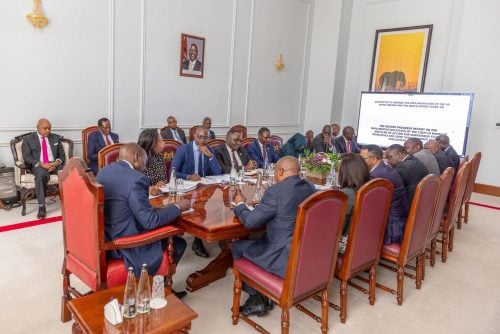
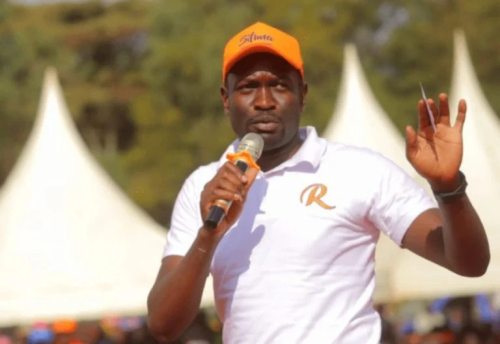
Nairobi Senator Edwin Sifuna recently accused the committee of inaction, warning that it has just 30 days to deliver its final report without extension.
“A deadline of March 7 was given to the committee for it to submit its final report. I am here to sound the alarm that the committee has 30 days to give us a final report on the memorandum of understanding. It’s been six months, and so far they have done absolutely nothing,” Sifuna said in a recent interview.
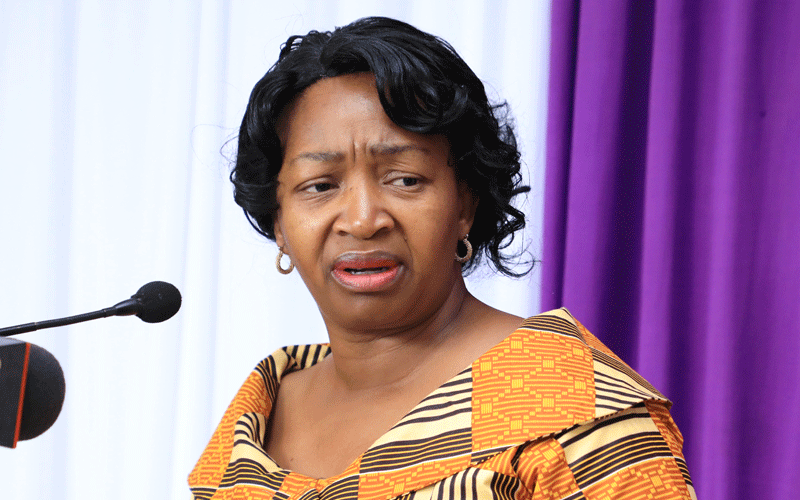
However, the committee’s chairperson, Agnes Zani, had defended the pace of work, saying the team is still consolidating feedback from government institutions, political parties and public forums.
“We are reviewing the NADCO report and its wide range of recommendations, including electoral justice, boundary matters, the IEBC and its selection committee, and the audit of the 2022 general elections,” Zani said during a television interview on a local TV station on February 10, 2026.
“We are also examining key issues in the MOU, the NADCO report itself, and the 10-point agenda, particularly Article 43 concerns such as housing, education, and the cost of living.”
Zani added that the committee is also examining governance questions arising from the 2023 unrest, including political party fidelity, management of national government funds, and proposals touching on the offices of the Leader of the Official Opposition and the Prime Minister.
Moreover, she emphasised that public participation remains central to the process. “We are collecting views from the public because we need to assess how far the recommendations have been actualised.
“This committee, for the first time, has been given a mandate to ensure follow-through, and we are focused on what has been achieved,” she said.
Zani clarified that NADCO’s mandate is supervisory rather than executive.
“We are overseeing the implementation; we are secondary implementers rather than primary ones,” she noted.
Yet for Kalonzo and other critics, such explanations are insufficient. Framing the delay as a failure of political will, he warned that Kenyans are growing impatient.
“When leaders sign agreements, it is not for public relations. It is for the people. If there is no implementation, then it becomes another document gathering dust,” he said.