Advertisement
How Washington’s diplomatic presence could shape Kenya’s 2027 polls
Wednesday 03rd June, 2026 06:18 AM|

President Donald Trump’s nomination of veteran diplomat Henry Wooster as the next United States ambassador to Kenya has drawn attention not only because it ends a lengthy diplomatic vacancy, but also because of its timing.
The appointment comes as President William Ruto deepens ties with Washington and begins positioning himself for a second term ahead of the 2027 General Election, now barely 14 months away.
The White House announced on Monday, June 1, 2026, that Trump had nominated Wooster as Ambassador Extraordinary and Plenipotentiary to Kenya, subject to approval by the US Senate.
“Henry Wooster, of Virginia, a Career Member of the Senior Foreign Service, Class of Minister-Counselor, to be Ambassador Extraordinary and Plenipotentiary of the United States of America to the Republic of Kenya,” the White House statement read.
You Might Also Like
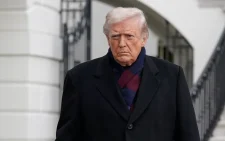


Wooster succeeds Meg Whitman, who served as US ambassador from August 2022 until her resignation in November 2024 following Trump’s return to the White House.
For more than a year, Washington’s top diplomatic post in Nairobi remained vacant, with the US Embassy operating under Chargé d’Affaires Susan Burns.
While diplomatic relations continued uninterrupted, the absence of a Senate-confirmed ambassador coincided with a period of intense political realignment in Kenya as parties and political figures began positioning themselves for the next election.
The nomination therefore arrives at a politically significant moment.
Kenya remains one of Washington’s most important allies in Africa, serving as a regional security partner and diplomatic hub for US interests in East Africa. Historically, American ambassadors in Nairobi have maintained a visible presence during election cycles, often engaging political leaders and publicly advocating for peaceful, credible and transparent elections.
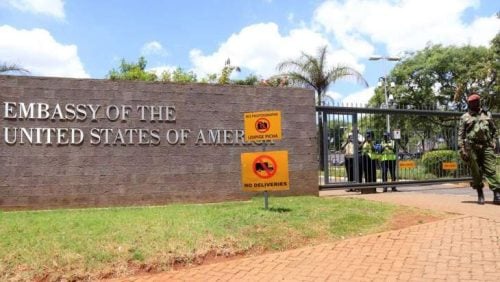
A substantive ambassador carries far greater political influence than an acting envoy, particularly in countries where bilateral relations are strategic.
Tom Shannon, former US ambassador to Brazil, previously explained the difference.
“When I was an ambassador, if I needed to meet with the Foreign Minister, the National Security Adviser or the President, all I had to do was make a phone call, and they would grant me an interview. That wouldn’t be the case for a chargé d’affaires,” Shannon told an international TV station.
“This significantly limits a government’s foreign policy, its ability to respond to crises and its capacity to communicate effectively with the highest levels of foreign governments.”

The 2027 polls
Wooster’s arrival is expected to restore that direct diplomatic channel at a time when Kenya’s political landscape is becoming increasingly competitive.
The development also comes against the backdrop of growing cooperation between Nairobi and Washington under Ruto. Over the past two years, Kenya has enjoyed elevated status in US foreign policy, culminating in Ruto’s high-profile state visit to Washington and Kenya’s designation as a major non-NATO ally.
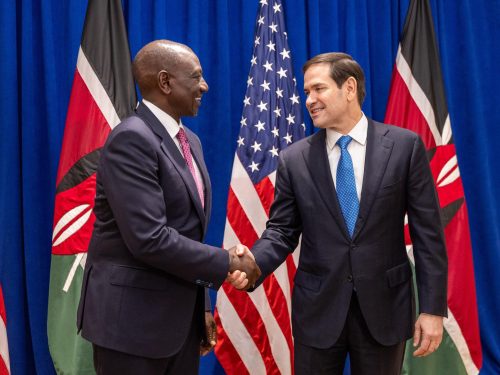
Senior US officials, including Secretary of State Marco Rubio, have maintained direct engagement with Ruto on key regional and security matters, reflecting the strength of bilateral relations.
“Kenya is one of our strongest partners in so many different fields, whether it’s the fight that we’ve fought together against terrorism on the continent but beyond that, and in our own hemisphere,” Rubio said in a past communication.
It is this diplomatic warmth that is likely to fuel debate over the significance of Washington restoring its highest-level representation in Nairobi as the country heads into an election cycle.
While there is no indication that the US intends to play any overt political role, American ambassadors have traditionally been influential voices during periods of electoral tension, using both public statements and private diplomacy to encourage stability and adherence to democratic norms.
Right timing?
The timing is particularly notable because Kenya is entering an early campaign season marked by shifting alliances, opposition reorganisation and growing scrutiny of Ruto’s bid for a second term.
In such periods, foreign diplomatic missions often play a quiet but important role in monitoring developments, engaging political actors and signalling international expectations regarding governance and electoral conduct.
The nomination also reverses what had become an unusually long diplomatic gap. Kenya had been among several countries operating without a confirmed US ambassador during Trump’s second term, as Washington left numerous ambassadorial positions vacant across the globe.

The US Senate Foreign Relations Committee has previously warned that prolonged diplomatic vacancies risk weakening Washington’s influence abroad at a time of growing competition from China, Russia and Gulf states across Africa.
Yet in Kenya, the question is less about the vacancy itself and more about why Washington has chosen this particular moment to fill it.
As Ruto consolidates alliances and the opposition prepares for a bruising contest in 2027, the return of a Senate-confirmed US ambassador restores a powerful diplomatic presence in Nairobi, one that will inevitably be watching closely as the race to State House gathers momentum.
Author
Latest News







Advertisement
More on Inside Politics