Advertisement
How Ruto is wooing Western to crush political opposition
Wednesday 18th March, 2026 06:43 AM|

President William Ruto is once again walking a political tightrope as he intensifies efforts to consolidate support in Western Kenya, a region that has increasingly become a battleground ahead of the 2027 polls.
His latest tour of the vote-rich counties of Busia, Bungoma, Kakamega, and Vihiga signals a calculated political strategy aimed at neutralising opposition forces and reshaping the region’s political alignment.
Key in this contest is the politically vibrant Mulembe nation, a bloc that has historically played a decisive role in Kenya’s electoral outcomes.
However, the region is currently experiencing a wave of political volatility, with the rising influence of the Linda Mwananchi faction, which is aligned with the Orange Democratic Movement (ODM). This faction has been actively mobilising grassroots resistance against Ruto’s administration, accusing it of failing to deliver on key promises and reneging on earlier agreements.
You Might Also Like
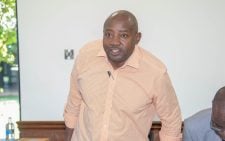


“We have a clear and demonstrable track record in delivering housing, health, education, roads, and other critical infrastructure. Across the country, we are transforming the delivery of development to the people of Kenya, ensuring that progress reaches every sector and every community, leaving no one behind. Our plan is credible, practical, and proven through decisive action,” the Head of State said.
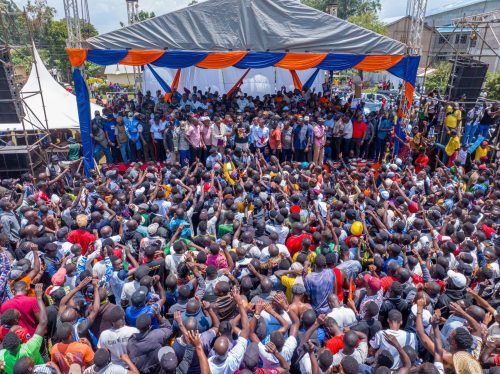
Key political figures, including the embattled ODM Secretary General Edwin Sifuna, James Orengo, Vihiga Senator Godfrey Osotsi, and Embakasi East MP Babu Owino, are leading the opposition charge. Their recent tours across Western Kenya have amplified dissatisfaction among locals, urging voters to deny Ruto a second term. Their messaging resonates with a section of the electorate that feels economically strained and politically sidelined.
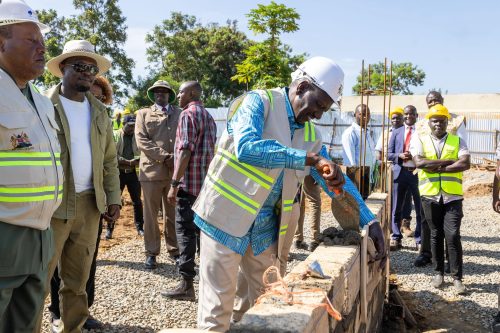
In response, Ruto’s strategy appears two-pronged: development-driven persuasion and political counter-narratives. Throughout his tour, the President has emphasised his administration’s track record in infrastructure, housing, healthcare, and education. By showcasing tangible projects, he aims to shift the political conversation from rhetoric to results.
Ruto has consistently framed his leadership as one focused on delivery rather than promises. He argues that his government is laying the groundwork for long-term transformation, positioning Kenya on a path toward first-world status. This messaging is designed to appeal to pragmatic voters who prioritise development over political theatrics.
The barenuckles
At the same time, the President has not shied away from directly confronting his critics. He has accused opposition leaders of engaging in empty sloganeering without presenting clear policy alternatives. This rhetorical approach seeks to delegitimise the opposition while reinforcing his image as a results-orientated leader.
“The people of Kenya are not foolish. They can see through the empty sloganeering of our competitors. When the time comes, they will deliver their verdict on who truly has the better plan for the country. This is my track record. Show us your track record,” Ruto told his critics.
A key pillar of Ruto’s campaign in Western Kenya is the narrative of historical marginalisation. By acknowledging that the region has lagged in development, he taps into long-standing grievances among residents. He then positions his administration as the one finally addressing these disparities through targeted investments.
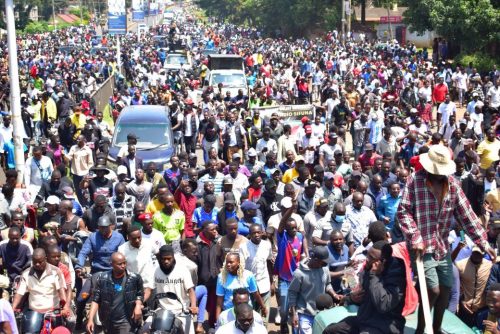
“For many years, Kenya’s development was slowed by leadership that lacked vision. That era is behind us. Today, we are moving the country forward with deliberate investments in critical sectors, ensuring that no part of our nation is left behind,” he said.
This strategy is not new in Kenyan politics, but its effectiveness depends on delivery. For many in the Mulembe nation, promises of inclusion must translate into visible change. Roads, hospitals, and economic opportunities will ultimately determine whether Ruto’s message gains traction.
Ruto’s headache
Complicating matters further is the emerging political identity of the Linda Mwananchi movement. Unlike traditional party structures, this faction presents itself as a people-driven initiative, which gives it grassroots appeal. Its ability to mobilise quickly and connect with local frustrations poses a significant challenge to the president’s influence in the region.
Ruto’s push for a broad-based government, including cooperation with elements within ODM, adds another layer to the political equation. By advocating for unity, he seeks to blur traditional political divides and attract moderate voters.
However, this approach risks alienating both hardline supporters and opposition loyalists who view such alliances with suspicion.
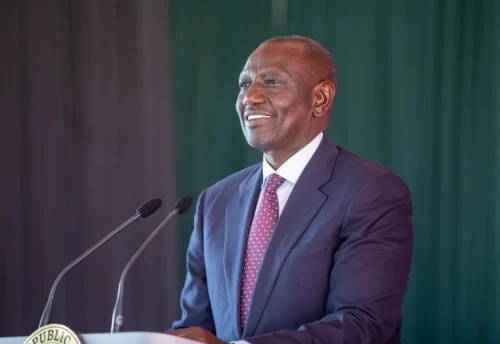
The coming weeks will be critical. As Ruto continues his political blitz, the effectiveness of his development agenda and messaging will be tested against the opposition’s growing momentum. Western Kenya remains fluid, with voters weighing competing narratives of performance versus promises.
Ultimately, the battle for the Mulembe nation is more than a regional contest; it reflects the country’s broader political dynamics. It highlights the tension between development politics and populist mobilisation, between state power and grassroots movements.
For President Ruto, the stakes could not be higher. Securing Western Kenya could significantly strengthen his path to a second term.
Losing it, however, would embolden the opposition and reshape the national political landscape.
Author
Latest News



Advertisement
More on Inside Politics