Advertisement
Gakuya slams Ruto-Sakaja Nairobi deal, raises accountability concerns
Friday 20th February, 2026 07:52 AM|

Embakasi North Member of Parliament James Gakuya has intensified criticism of recent governance arrangements affecting Nairobi, raising concerns over transparency, accountability, and political motives.
Speaking in a morning interview on a local radio station on Friday, February 20, 2026, Gakuya has taken issue with the cooperation agreement between President William Ruto and Nairobi Governor Johnson Sakaja, arguing that the pact risks undermining county autonomy.
According to the MP, the arrangement could blur the lines of responsibility between the national and county governments, making it harder to track public spending and ensure effective service delivery.
“Nairobi is not a political playground where leaders sign agreements to protect each other. The people of this city deserve transparency, accountability, and proper service delivery. Any deal that touches on public funds must be open and clear to the residents,” Gakuya said.

You Might Also Like


Gakuya has questioned how funds earmarked for services such as garbage collection, street lighting, water provision, and infrastructure development will be administered under the new framework.
The legislator has warned that without strict oversight mechanisms, Nairobi residents may have inefficiencies and duplication of roles. He has called on oversight bodies, including the Office of the Auditor-General and parliamentary committees, to scrutinise any financial transfers or joint projects arising from the deal.
The Ruto-Sakaja deal is political
Beyond fiscal concerns, Gakuya has hinted at possible political motivations behind the agreement. He has suggested the pact could ease political pressure on Governor Sakaja amid ongoing criticism over service delivery in the capital.
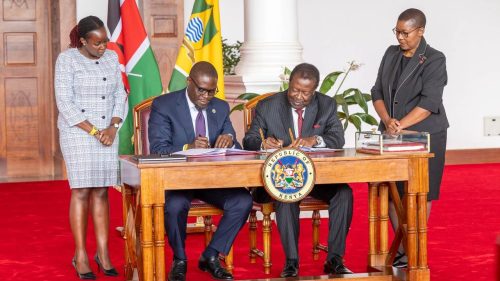
Gakuya vying for the Governor’s seat
The lawmaker is eyeing the Nairobi governor’s seat. His remarks come as Nairobi’s political landscape begins to take shape ahead of the 2027 gubernatorial race. His strong stance on governance and accountability is viewed as positioning him within the city’s evolving political dynamics.
As debate continues, the future of Nairobi’s governance structure remains a subject of intense public and political scrutiny.
Author
Latest News




Advertisement
More on Inside Politics