Advertisement
Why Nairobi’s new underground railway could finally reduce transport costs for city residents
Thursday 23rd July, 2026 06:43 AM|
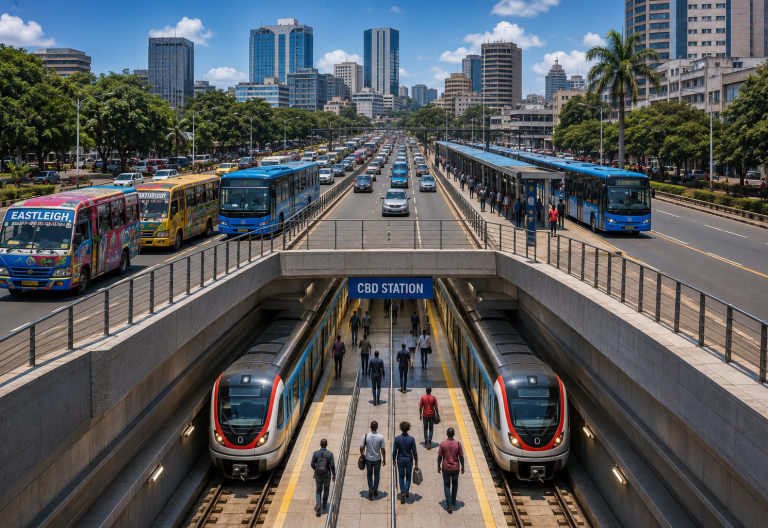
Nairobi’s plan to build its first underground railway through the Central Business District (CBD) could eventually change more than just the city’s skyline.
If successfully implemented, the project could make daily commuting faster and create conditions for more stable transport costs by reducing traffic congestion and improving public transport efficiency.
The Nairobi County Executive Committee has approved the implementation framework for Phase I of the Nairobi Metropolitan Mass Rapid Transit System (NMRTS), an ambitious transport project that combines an underground CBD railway with a high-capacity rail link serving Eastlands, one of the city’s busiest commuter corridors.
Although the project is still at the planning stage and transport fares will continue to be determined by operators, fuel prices and market conditions, transport experts generally agree that efficient mass transit systems can reduce travel times, lower operating costs and improve the reliability of public transport over the long term.
You Might Also Like


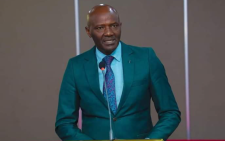
“For far too long, the people of Nairobi, particularly our hardworking commuters from Eastlands and across the metropolitan area, have lost precious hours in traffic jams that slow down our economic growth,” Governor Johnson Sakaja said after the County Executive Committee approved the implementation framework.
The county says the underground railway will be integrated with pedestrian walkways, non-motorised transport facilities, transit terminals and the Bus Rapid Transit (BRT) network to create a more connected public transport system.

Why Nairobi households spend so much on daily transport
For many Nairobi households, especially those commuting from Eastlands to the CBD, transport is one of the largest monthly expenses after rent and food.
Heavy congestion frequently turns journeys of only a few kilometres into hour-long commutes. The delays increase fuel consumption for buses, matatus and private vehicles while reducing the number of trips public service vehicles can make each day.
Congestion also raises operating costs through higher fuel use, longer engine idling times and increased vehicle wear and tear. Those costs, together with fuel prices, passenger demand and market competition, influence how transport operators set fares.

Many commuters are also forced to board two or more matatus to reach their destinations because different transport routes are poorly integrated, increasing both travel costs and journey times.
The proposed mass rapid transit system aims to address these inefficiencies by moving large numbers of passengers on dedicated rail infrastructure instead of congested roads, particularly along the busy Eastlands-CBD corridor.
However, lower transport fares are not guaranteed. Fares will continue to depend on market conditions and operator decisions. Faster journeys, lower fuel consumption and improved operational efficiency could, however, create conditions for more stable and affordable commuting over time.
Sakaja said reducing those transport burdens is one of the key objectives of the project.
“Today, we are moving from planning to implementation. The approval of Phase I of the NMRTS is our commitment to delivering a modern, fast, safe and dignified public transport system. By integrating an underground CBD core with high-capacity links to Eastlands, we will unlock Nairobi’s economic potential, lower the cost of transport and build a cleaner, greener and world-class city.”
What could faster commutes mean for everyday families?
If completed as planned, the Nairobi Metropolitan Mass Rapid Transit System could deliver benefits extending well beyond shorter travel times.
A reliable rail connection between Eastlands and the CBD could make commuting more predictable, allowing workers to spend less time stuck in traffic and more time at work or with their families. More dependable journey times could also improve punctuality for businesses and employees.
The county government also plans to integrate the railway with Nairobi’s Bus Rapid Transit system through interchange stations, making it easier for passengers to switch between buses and rail services without relying on multiple matatu trips.
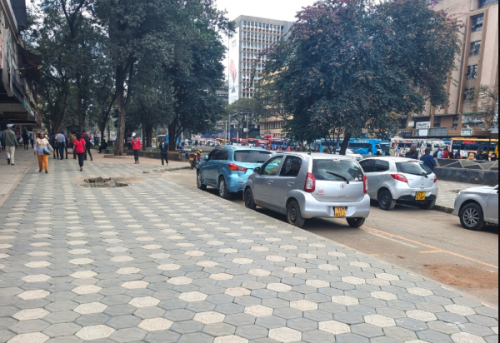
Motorists could also benefit. If a significant number of commuters shift from roads to rail, traffic congestion on some of Nairobi’s busiest corridors could ease, improving traffic flow and reducing fuel consumption for private vehicles, buses and commercial transport.
Beyond mobility, the county says the project is expected to create thousands of jobs during construction and operation while helping reduce carbon emissions by encouraging greater use of high-capacity public transport.
The implementation framework presented to the County Executive Committee by Silvester Kasuku, Governance Advisor in the Executive Office of the President, underscores collaboration between the national government and Nairobi City County in delivering the project.
Phase I will focus on the underground CBD section and the Eastlands rail corridor, while Phase II is expected to extend services to Westlands, Ngong Road and Lang’ata, connecting commuters from Ongata Rongai, Ngong and Nairobi’s western corridor.
Before construction begins, Nairobi County says it will conduct public participation, stakeholder consultations with transport sector players and inter-agency planning to refine the project and prepare for groundbreaking.
For millions of Nairobi residents, the project’s success will ultimately be measured not by the engineering achievement of an underground railway, but by whether it delivers faster, more reliable journeys and helps make the daily cost of getting to work more predictable and affordable over the years ahead.
Author
Latest News


Advertisement
More on Business